Facts
50 Fascinating Facts About the Land Rover Defender
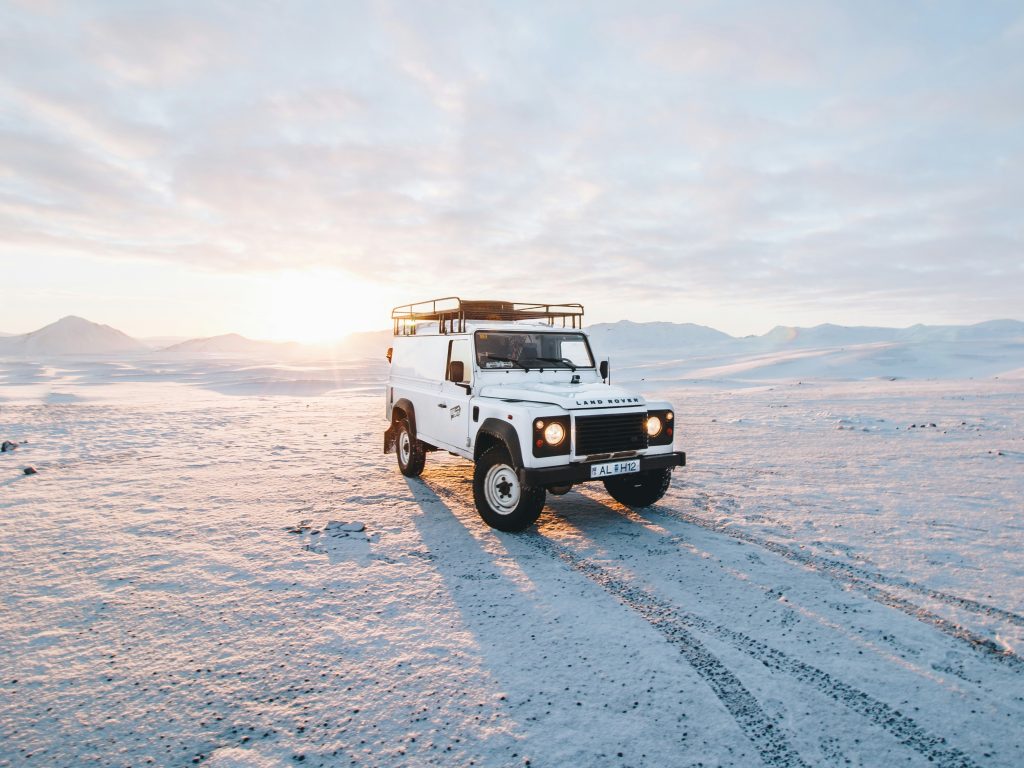
Looking for the best land rover defender facts? Few vehicles have earned the kind of loyalty the Land Rover Defender commands. Born in post-war Britain from military surplus and sheer ingenuity, it went on to become the backbone of armies, the darling of adventurers, and one of the most recognisable vehicles on the planet. Whether you’re a lifelong enthusiast or just discovering this rugged icon, here are 50 facts that reveal why the Defender remains truly one of a kind.
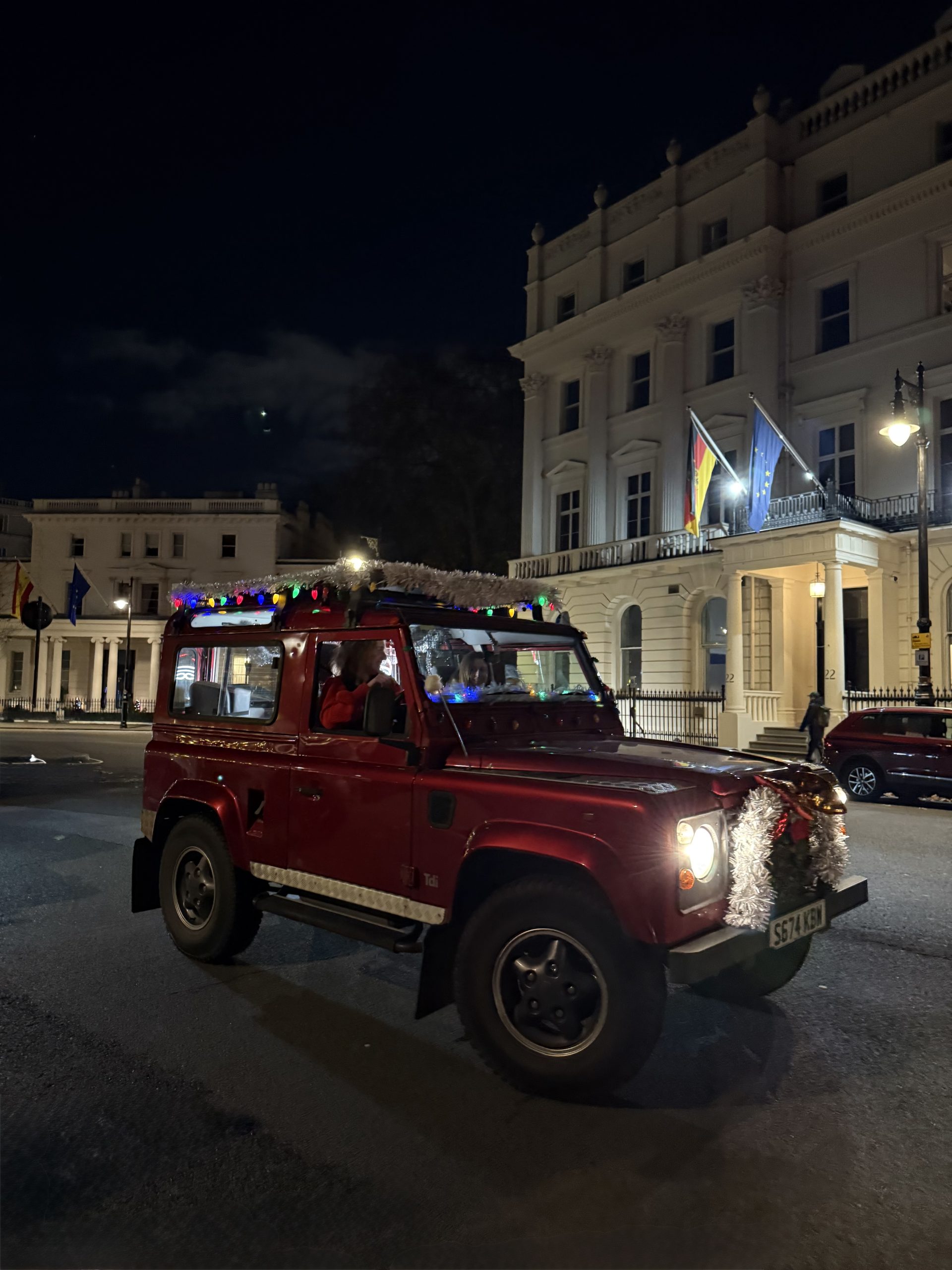
Whether you’re a lifelong owner, a casual admirer, or someone who just spotted one parked on a London side street and felt something stir — these 50 facts will deepen your appreciation for the world’s most legendary 4×4.
Land Rover Defender Facts: Origins & Birth (1–10)
The Defender’s origin story reads like a novel. A wartime engineer, a beach, a sketch in the sand, and a vehicle that was supposed to be temporary — but refused to go away.
1. Born from a sketch in the sand.
In 1947, Maurice Wilks — Rover’s chief engineer — was on holiday at Red Wharf Bay in Anglesey, Wales. Using a stick, he traced the outline of a utilitarian vehicle in the wet sand, inspired by the American Willys Jeep he’d been using on his farm. His brother Spencer, Rover’s managing director, saw the sketch and asked the famous question: “What will you do when your Jeep wears out?” Maurice replied: “I’ll buy another one — there isn’t anything else.” That conversation sparked the idea to build one themselves. Here’s one of the most fascinating land rover defender facts to start with.
2. It debuted at the Amsterdam Motor Show — not in Britain.
The very first Land Rover was unveiled to the public on 30 April 1948 at the Amsterdam Motor Show. Why Amsterdam and not London? The Netherlands was a key export market, and Rover’s management wanted to signal international ambition from day one. The original price was just £450 — around £18,000 in today’s money.
3. Aluminium was chosen out of necessity, not luxury.
Post-war Britain was rationing steel, but aluminium from surplus aircraft production was plentiful and cheap. The body panels were hammered from Birmabright — an aluminium-magnesium alloy originally developed for warplanes. What began as an austerity measure became a defining feature: aluminium panels are lighter, don’t rust, and gave the Land Rover its distinctive appearance. This material choice persists in the Defender’s DNA to this day. One of the lesser-known land rover defender facts is that this feature shaped the vehicle’s identity.
4. The prototype had a centre steering wheel.
The very first prototype featured a steering wheel mounted dead centre in the vehicle, rather than left or right. The reasoning was practical: a single version could be sold in both left-hand and right-hand drive markets without expensive retooling. It also echoed the tractor-like utility role Rover envisioned. Ultimately, the centre-steer layout proved impractical for road use, and production vehicles reverted to conventional positioning.
5. The first colour was military surplus cockpit green.
The earliest Land Rovers came in one colour only: a shade of light green mixed from surplus RAF cockpit paint. Rover had acquired large stocks of the stuff at bargain prices, so every vehicle rolled off the line in the same utilitarian hue. It wasn’t until the early 1950s that a broader colour palette became available — though green has remained the brand’s signature ever since.

6. The original wheelbase was just 80 inches.
The Series I had a compact 80-inch wheelbase, powered by a modest 50 bhp 1595cc petrol engine borrowed from the Rover P3 saloon. Despite its humble beginnings, the little vehicle could go places no other civilian car dared, and farmers, foresters, and military buyers quickly took notice. This land rover defender fact surprises even longtime enthusiasts.
7. Rover expected to build it for only a few years.
The Land Rover was conceived as a temporary product — a stopgap to generate cash while Rover developed its next generation of luxury saloons. Nobody at Rover imagined it would still be in production nearly seven decades later, ultimately outlasting every car the company ever designed.
8. The British Army ordered its first batch in 1949.
Just one year after launch, the Ministry of Defence placed its first bulk order. By the mid-1950s, the Land Rover had become the default vehicle of the British Armed Forces, serving in Korea, Malaya, Borneo, Aden, and dozens of other theatres. It replaced a patchwork fleet of wartime Jeeps, Bedford trucks, and Austin utilities.
9. It earned Royal approval almost immediately.
King George VI received a Land Rover for use on the Sandringham estate as early as 1948. His daughter, Queen Elizabeth II, became famous for driving her own Land Rovers around the estates well into her nineties — often without a seatbelt, and reportedly at considerable speed. The Royal family’s love affair with Land Rover has endured across four generations.
10. The ‘Defender’ name didn’t arrive until 1990.
For over 40 years, these vehicles were simply called the Land Rover ‘Ninety’, ‘One Ten’, or ‘127’ — names that reflected their wheelbases in inches. When Land Rover launched the Discovery in 1989, they needed a way to differentiate the original model. The name ‘Defender’ was chosen in 1990, instantly giving the old workhorse a new identity that stuck forever. This is one of the most surprising land rover defender facts.
Engineering & Design (11–20)
The Defender was never about luxury or speed. It was about going anywhere, carrying anything, and being fixable with basic tools in the middle of nowhere. That philosophy produced some remarkable engineering decisions.
11. Three wheelbases, one legend.
The classic Defender came in three wheelbases: the nimble 90-inch (short wheelbase), the versatile 110-inch (long wheelbase), and the heavy-duty 130-inch (crew cab or high-capacity pick-up). Each variant served a different purpose, from farm runabout to military troop carrier.
12. The body-on-frame design lasted 68 continuous years.
From 1948 to 2016, every single classic Land Rover and Defender used a separate steel ladder-frame chassis with bolt-on aluminium body panels. This design was crucial for expedition and military use: a damaged panel could be unbolted and hammered back into shape — or replaced entirely — using hand tools and local materials, even in the most remote locations on earth. Among the most impressive land rover defender facts, this one stands out.
13. Aluminium panels are virtually corrosion-proof.
While the steel chassis of a Defender can and does rust, the aluminium body panels are remarkably resistant to corrosion. This is a major reason why so many decades-old Defenders still look presentable and remain in daily use. The chassis is the weak point — but a body that refuses to rot keeps many old Defenders alive far longer than their steel-bodied competitors.
14. The new Defender is three times stiffer than traditional designs.
The 2020+ Defender uses a purpose-engineered D7x aluminium monocoque architecture. Land Rover claims it is three times more rigid than a conventional body-on-frame setup, improving handling, refinement, and crash safety. The switch from ladder-frame to monocoque was the most controversial decision in Defender history — and remains hotly debated among purists.
15. It can wade through 900mm of water.
The new Defender has a maximum wading depth of 900mm — nearly three feet — supported by the Wade programme in Land Rover’s Terrain Response 2 system. Ultrasonic sensors in the door mirrors monitor water depth in real time, displaying a graphic on the infotainment screen so the driver knows exactly how deep they are. This land rover defender fact demonstrates incredible versatility.
16. Towing capacity reaches 3,720 kg.
The new Defender 110 can tow up to 3,720 kg (8,200 lbs) — enough for a horse trailer, a large caravan, or a decent-sized boat. Combined with its off-road capability, this makes it one of the most versatile tow vehicles available.
17. The new Defender endured over 62,000 individual tests.
Before a single customer vehicle was built, the new Defender underwent more than 62,000 tests for engineering sign-off. These included Land Rover’s legendarily punishing Extreme Event Test — a series of trials designed to simulate a lifetime of the hardest possible use in a compressed timeframe. Few land rover defender facts capture the spirit of adventure quite like this.
18. The side-mounted spare wheel is a design signature.
The side-hinged rear door with an externally mounted spare tyre has been a Defender hallmark since the earliest Series models. It’s both practical — freeing up cargo space inside — and unmistakably iconic. Even the new Defender offers this as an option, knowing that without the spare on the back, it just doesn’t look quite right.
19. The dashboard’s exposed bolt heads are deliberate.
In the new Defender, the visible structural bolts on the magnesium-alloy dashboard cross beam are a deliberate design choice. They pay tribute to the original Defender’s utilitarian character, where form always followed function. Nothing is hidden for the sake of aesthetics — if a bolt holds something together, it’s celebrated rather than concealed.
20. Alpine windows flood the cargo area with light.
The small rectangular windows set above the main side windows in hardtop Defender models are called Alpine windows (or Alpine lights). They’re a classic Defender detail that serves a genuine purpose: flooding the cargo area with natural light while maintaining structural rigidity. Removed from some later models, they’ve been reintroduced on the new Defender as a nod to heritage.
Military & Service (21–28)
If you’ve served in the British military, you’ve probably spent time in the back of a Land Rover. But it’s not just Britain — the Defender has served armed forces, police, fire services, and humanitarian organisations across the globe.
21. Defenders have served in over 140 countries.
From Arctic Norway to equatorial Congo, from the Australian Outback to the Falkland Islands, Defenders have been deployed by militaries, aid organisations, and emergency services in more than 140 nations worldwide. No other 4×4 comes close to this geographic reach. Among land rover defender facts, the military heritage stands out.
22. The SAS painted theirs pink.
In the 1960s and 1970s, the British Special Air Service used long-wheelbase Land Rovers painted in a colour officially called ‘Mountbatten Pink’ for desert operations in Oman and the Dhofar region. The vehicles were nicknamed ‘Pink Panthers.’ Surprisingly, pink was found to be an excellent desert camouflage colour, especially at dawn and dusk when the desert sand takes on pinkish hues.
23. The military variant is called the ‘Wolf.’
The Defender XD (Extra Duty), known as the Wolf in British Army service, featured upgraded suspension, a 24-volt electrical system, uprated axles, and heavy-duty components throughout. Designed to be air-dropped from Hercules transport aircraft, the Wolf could carry substantial payloads across terrain that would stop most vehicles dead.
24. It served in both Iraq wars, Afghanistan, and Sierra Leone.
The Wolf and its variants saw active service across multiple conflict zones, including both Gulf Wars, the long campaign in Afghanistan, peacekeeping operations in Sierra Leone, and NATO deployments in the Balkans. For thousands of British soldiers, the distinctive growl of a Defender diesel is the soundtrack of deployment. This ranks among the most remarkable land rover defender facts in military history.
25. Ambulance, fire engine, and mobile workshop.
Beyond combat roles, Defenders have been adapted into ambulances, fire engines, mobile communications centres, field workshops, and even mobile dental clinics by militaries around the world. The simple, adaptable platform made it perfect for specialist conversions.
26. The Royal Military Police used bright red ones.
Royal Military Police Land Rovers were painted in distinctive cherry red livery, making them instantly recognisable on military bases and in convoy. They became a familiar — and not always welcome — sight for soldiers across every British garrison. Land rover defender facts about its global service record are truly staggering.
27. The Queen’s coffin was carried by a Defender, too.
When Queen Elizabeth II’s coffin was transported from Balmoral Castle in September 2022, it was placed in a specially adapted hearse — but the Royal family’s long association with Land Rover was evident throughout the funeral proceedings.
28. Prince Philip spent 16 years designing his own Defender hearse.
Prince Philip, Duke of Edinburgh, personally designed a modified Defender TD5 130 to carry his coffin. He began working with Land Rover engineers at their Solihull factory in 2003, making his final modifications in 2019. The vehicle was painted in Dark Bronze Green, featured military green hubs, a black front grille, and no registration plates. When the Duke passed away in April 2021, his coffin was carried on the back of the vehicle he’d spent 16 years perfecting — a fitting final journey for a man who loved engineering as much as he loved Land Rovers. It’s land rover defender facts like these that fuel the community’s passion.
Pop Culture & Fame (29–38)
The Defender isn’t just a farm vehicle or a military workhorse — it’s a movie star, an adventure icon, and possibly the most photographed 4×4 in history.
29. James Bond has driven Defenders across multiple films.
Land Rover vehicles have featured in James Bond films for nearly 40 years. Defenders appeared prominently in Skyfall (2012), where Daniel Craig drove one across the Scottish Highlands, and in No Time To Die (2021), where a spectacular chase sequence featured largely unmodified production Defender 110s. The filmmakers specifically chose standard vehicles to prove the Defender’s capability — no special effects needed.
30. Lara Croft drove a customised Defender TD5.
In the 2018 Tomb Raider film, Alicia Vikander’s Lara Croft drove a customised Defender TD5 110 through Hong Kong’s streets. The vehicle was chosen because it perfectly embodied the rugged, adventurous spirit of the character. Pop culture land rover defender facts like these show the vehicle’s iconic status.
31. Tom Cruise relied on a Defender in Mission: Impossible.
A 1990 Defender 300Tdi played a supporting role in a Mission: Impossible film, proving once again that when Hollywood needs a vehicle that looks tough, capable, and authentic, the Defender is the first call.
32. The Camel Trophy made it the ultimate adventure icon.
From 1981 to 2000, the Camel Trophy used Land Rovers to tackle some of the most extreme terrain on earth. The competition traversed the jungles of Borneo, the rivers of Madagascar, the mountains of Mongolia, and the forests of Guyana. Every vehicle was painted in the iconic Sandglow Yellow and carried the Camel Trophy shield on the front of the roof rack. Camel Trophy did more to cement the Defender’s reputation as the ultimate expedition vehicle than any advertising campaign ever could.
33. One Camel Trophy winner chose two Defenders over a Range Rover.
Winner Rudi Thoelen was offered a Range Rover as his prize but famously declined — opting instead for two Defenders. His reasoning was simple: he’d rather have two vehicles he could actually take anywhere than one luxury SUV. The story became legendary among Defender enthusiasts as proof of the vehicle’s unmatched appeal to serious adventurers. Of all the land rover defender facts out there, this one highlights true engineering.
34. The Lego Technic Defender has 2,336 pieces.
Released in partnership with Land Rover, the Lego Technic Defender 42110 is one of the most detailed vehicle kits ever produced. It features working suspension, a sequential gearbox, an opening roof rack, and a detailed inline-six engine. It remains one of Lego Technic’s bestselling sets.
35. It’s arguably the most photographed 4×4 in the world.
On Instagram alone, #landroverdefender has millions of posts. The Defender’s photogenic combination of rugged lines, heritage colours, and adventure settings makes it irresistible to photographers — amateur and professional alike. No other off-road vehicle generates this volume of organic visual content. This is a land rover defender fact that resonates with enthusiasts worldwide.
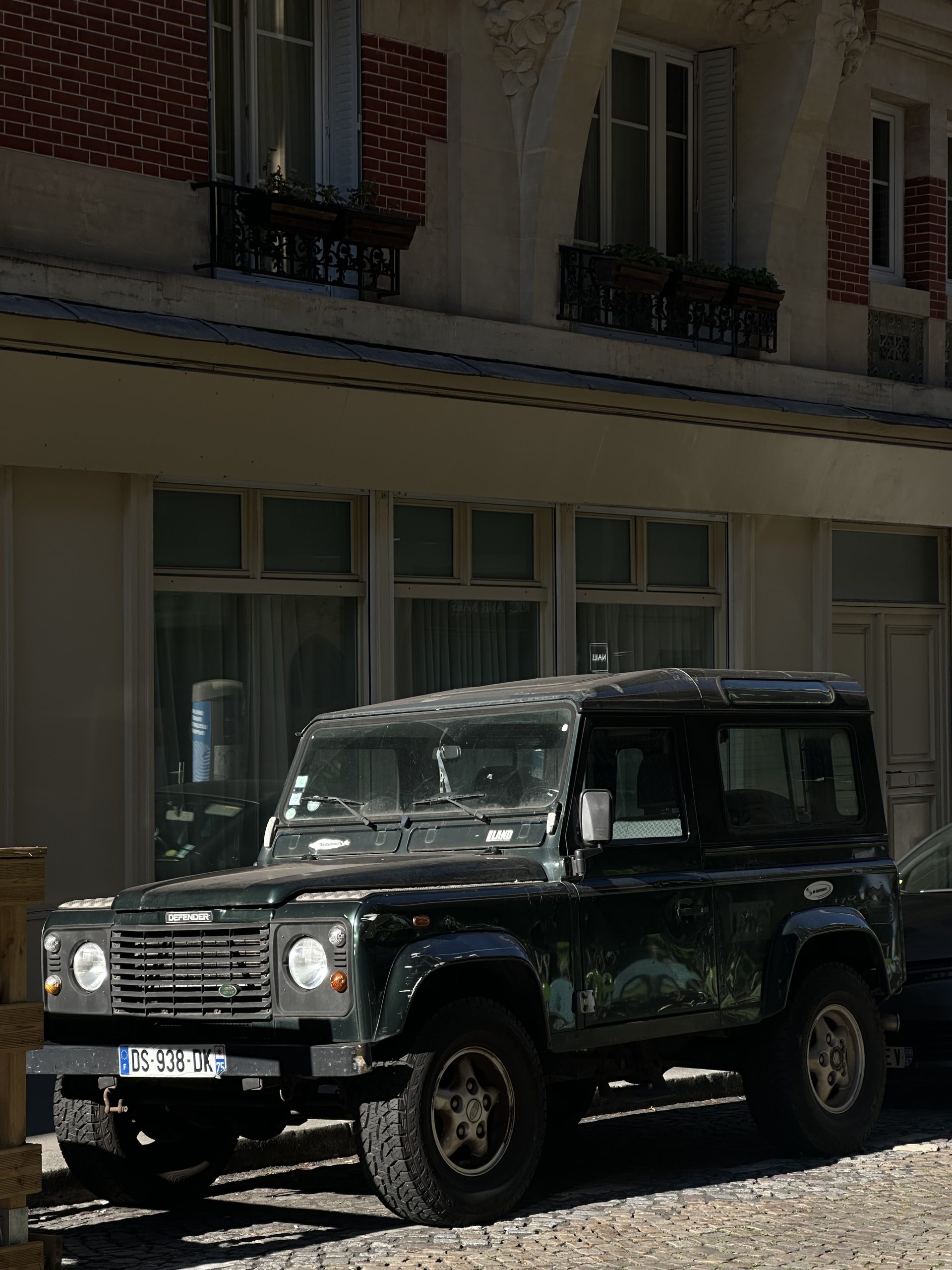
36. Expedition teams almost always choose Defenders.
From Antarctic research stations to African safari lodges, from Icelandic highland tours to Saharan crossings, the Defender remains the default choice for serious expedition operators. Its reputation for reliability in extreme conditions is unmatched by any competitor.
37. The ‘Best 4×4 by Far’ slogan became legendary.
Land Rover’s advertising tagline from the 1980s and 90s became so deeply embedded in popular culture that enthusiasts still use it today, decades after the campaign ended. Stickers bearing the phrase are a common sight on Defenders worldwide. This is a land rover defender fact that speaks to the vehicle’s global reach.
38. It regularly tops ‘greatest cars ever’ lists.
The Defender has been named among the greatest cars of all time by Top Gear, Autocar, Car and Driver, and numerous other automotive publications. It’s a rare honour for a vehicle that was never designed to be fast, comfortable, or luxurious.
Production & Numbers (39–45)
The numbers behind the Defender tell a story of extraordinary longevity — and increasingly extraordinary value.
39. Over 2 million were built.
During its 68-year production run at Solihull, exactly 2,016,933 Series Land Rovers and Defenders rolled off the assembly line. That figure encompasses every variant from the original 80-inch Series I to the final Defender 90s and 110s. These production land rover defender facts highlight just how massive the operation was.
40. The last Defender’s number plate was a tribute to the first.
The very last classic Defender, completed on 29 January 2016, carried the registration H166 HUE — a direct reference to HUE 166, the registration plate of the very first pre-production Land Rover built in 1948. A beautiful closing of the circle.
41. Production ended with genuine emotion.
When the last classic Defender rolled off the Solihull production line on 29 January 2016, workers lined the factory floor to applaud. Some cried. A celebrity-signed Defender was auctioned for charity. After 67 continuous years of production, it was a genuinely emotional moment for the entire automotive industry.
42. An estimated 75% of all Defenders ever built are still running.
This is perhaps the most remarkable statistic of all. Thanks to the robust chassis, corrosion-resistant aluminium panels, and the sheer repairability of the design, roughly three-quarters of every Land Rover and Defender ever built is believed to still be in active use. No other vehicle manufacturer can make a similar claim. Land rover defender facts about production always impress collectors.
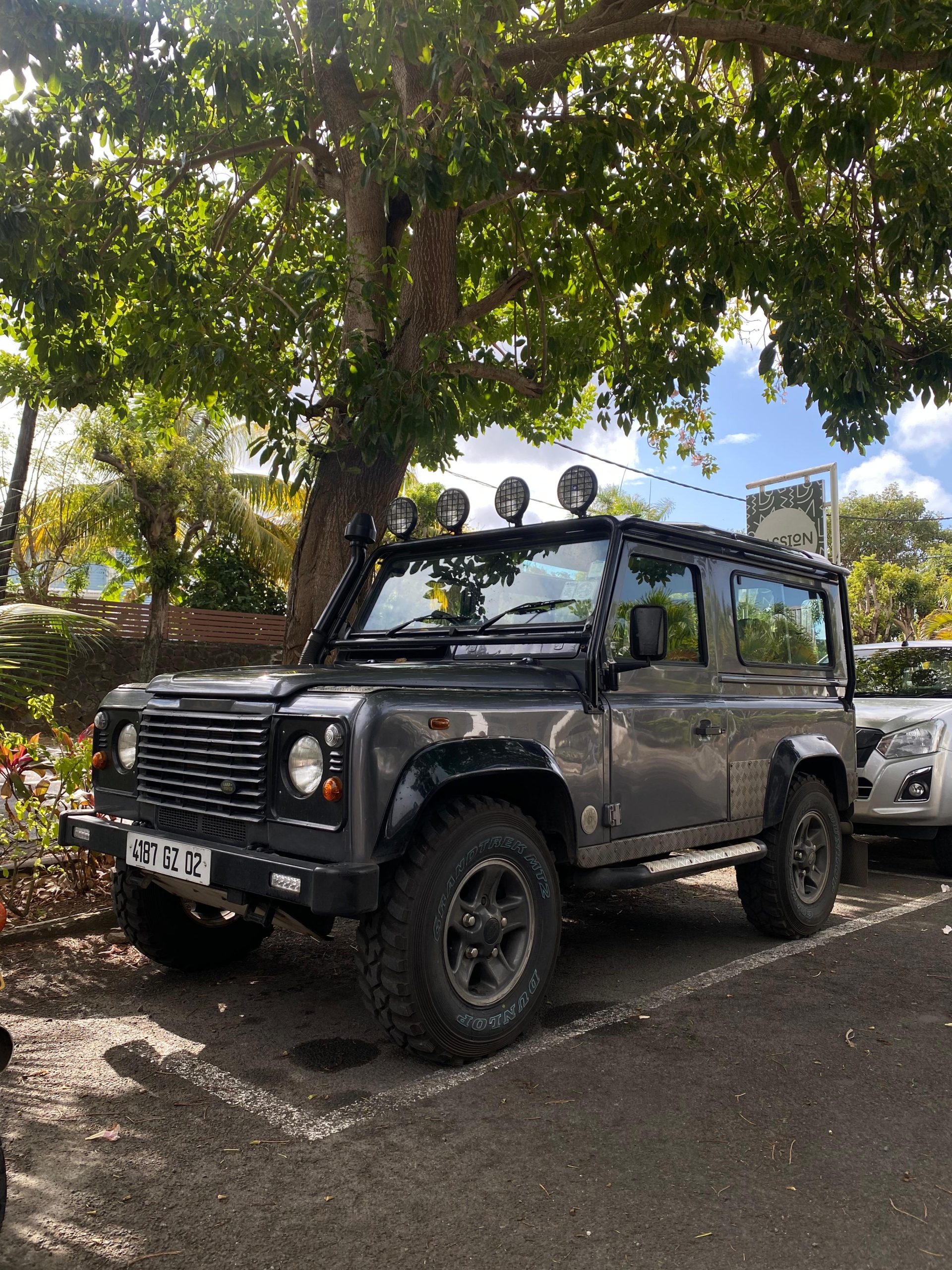
43. Only 7,059 NAS Defenders were made for North America.
Between 1993 and 1997, Land Rover produced just 7,059 North American Specification (NAS) Defenders for the US and Canadian markets. The initial 1993 batch consisted of 525 Defender 110s: 500 for the US and 25 for Canada, all in Alpine White — except for one single vehicle painted black for fashion designer Ralph Lauren. US sales ended in 1997 when new airbag and side-impact regulations made it economically unviable to modify the Defender for such small production numbers.
44. NAS Defenders now sell for over $200,000.
Due to their extreme rarity and cult status, clean NAS Defenders have seen astronomical appreciation. The original MSRP was just $27,900, but average auction prices for NAS Soft Top Defender 90s now sit around $78,340, with the highest recorded sale reaching $212,800 in 2025. That’s a return of over 660% on the original price — outperforming most conventional investments.
45. Solihull was home for the entire production run.
Every single classic Defender was built at Land Rover’s Solihull factory in the West Midlands, England. The plant opened in 1945 as a ‘shadow factory’ for wartime aircraft engine production and pivoted to Land Rover manufacturing in 1948. The new Defender, however, is produced at JLR’s plant in Nitra, Slovakia.
The New Era & Legacy (46–50)
The Defender story didn’t end in 2016. After a four-year gap, a bold new chapter began — one that honours the legacy while pushing into completely new territory. This land rover defender fact proves the legend is far from over.
46. The new Defender launched in 2020 after four years of anticipation.
After production of the classic Defender ended in January 2016, fans waited anxiously for its successor. The all-new Defender (codenamed L663) was finally unveiled at the Frankfurt Motor Show in September 2019 and reached showrooms in 2020. It was the most anticipated car launch in Land Rover’s history.
47. The V8 version produces 518 horsepower.
The Defender V8 packs a supercharged 5.0-litre engine producing 518 bhp and 625 Nm of torque. It accelerates from 0–60 mph in just 5.0 seconds — a performance figure that would have been unimaginable to Maurice Wilks and his 50 bhp original. The V8 has a unique exhaust note and dynamic character that sets it apart from the standard diesel and petrol models.
48. The restomod market is booming.
Companies like Monarch Defender, ECD Auto Design, and Arkonik build custom restomods — classic Defender bodies fitted with modern engines, interiors, air conditioning, and technology. Prices typically start above £100,000 and can exceed £300,000 for a fully bespoke build. The waiting lists are long, and the market shows no signs of slowing. These land rover defender facts show why the Defender remains unmatched.
49. Land Rover revived the Camel Trophy spirit in 2025.
In late 2025, Land Rover celebrated the 45th anniversary of the Camel Trophy by launching the Defender Trophy competition — a new adventure challenge designed to keep the expedition legacy alive for a new generation.

50. It’s more than a car. It’s a community.
From Solihull to the Serengeti, from Instagram feeds to muddy country lanes, the Land Rover Defender unites people across cultures, continents, and generations. It’s a vehicle that inspires loyalty, stories, and genuine emotion in a way that no other car can match. That’s exactly why we built Defender Sightings — to give every enthusiast a place to spot, share, and celebrate the legend, wherever in the world they find it. We hope you enjoyed these land rover defender facts — which one surprised you the most?
Spotted a Defender in the wild?
Head to our Sightings Map and pin your find. Join the growing global community of Defender enthusiasts who are documenting these icons, one sighting at a time.
Follow us on Instagram @defendersighting and tag your finds with #DefenderFacts and #DefenderSightings.