Ownership
Land Rover Defender Towing Capacity: Everything You Need to Know
Why Land Rover Defender Towing Capacity Matters
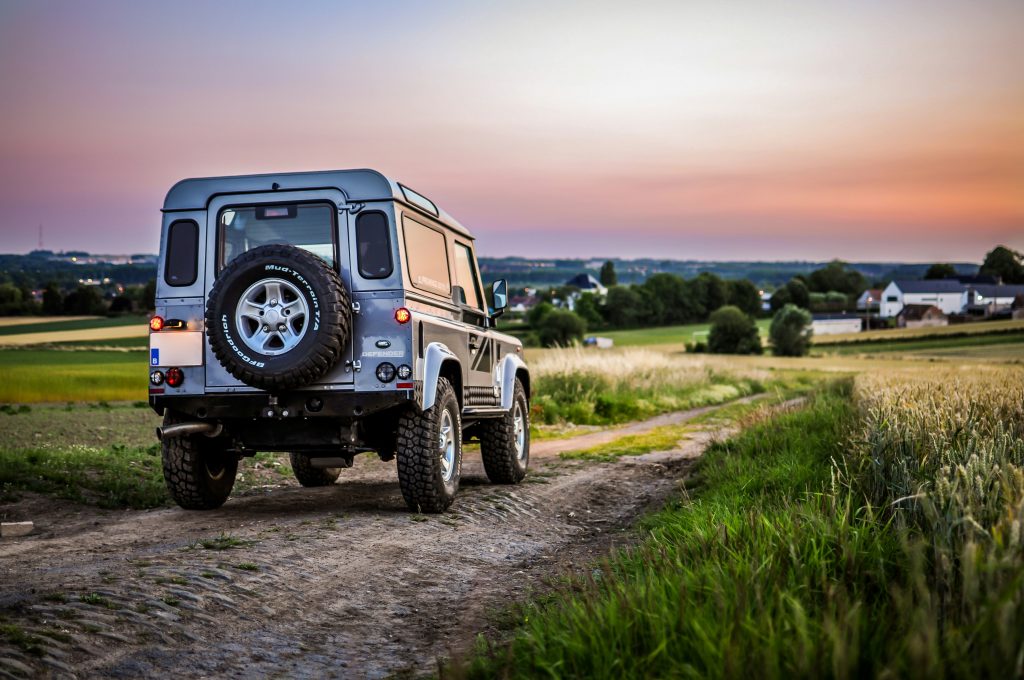
The Land Rover Defender has always been a vehicle that works for a living. From pulling horse trailers across muddy fields to recovering stuck vehicles on hillsides, towing is part of what a Defender does. But not all Defenders tow equally, and getting the numbers wrong can be dangerous, illegal, or both.
This guide covers the land rover defender towing capacity for every model — classic and new — along with practical advice on towing setup, weight calculations, and the real-world experience of towing with a Defender.

Classic Defender Towing Capacity
The Numbers
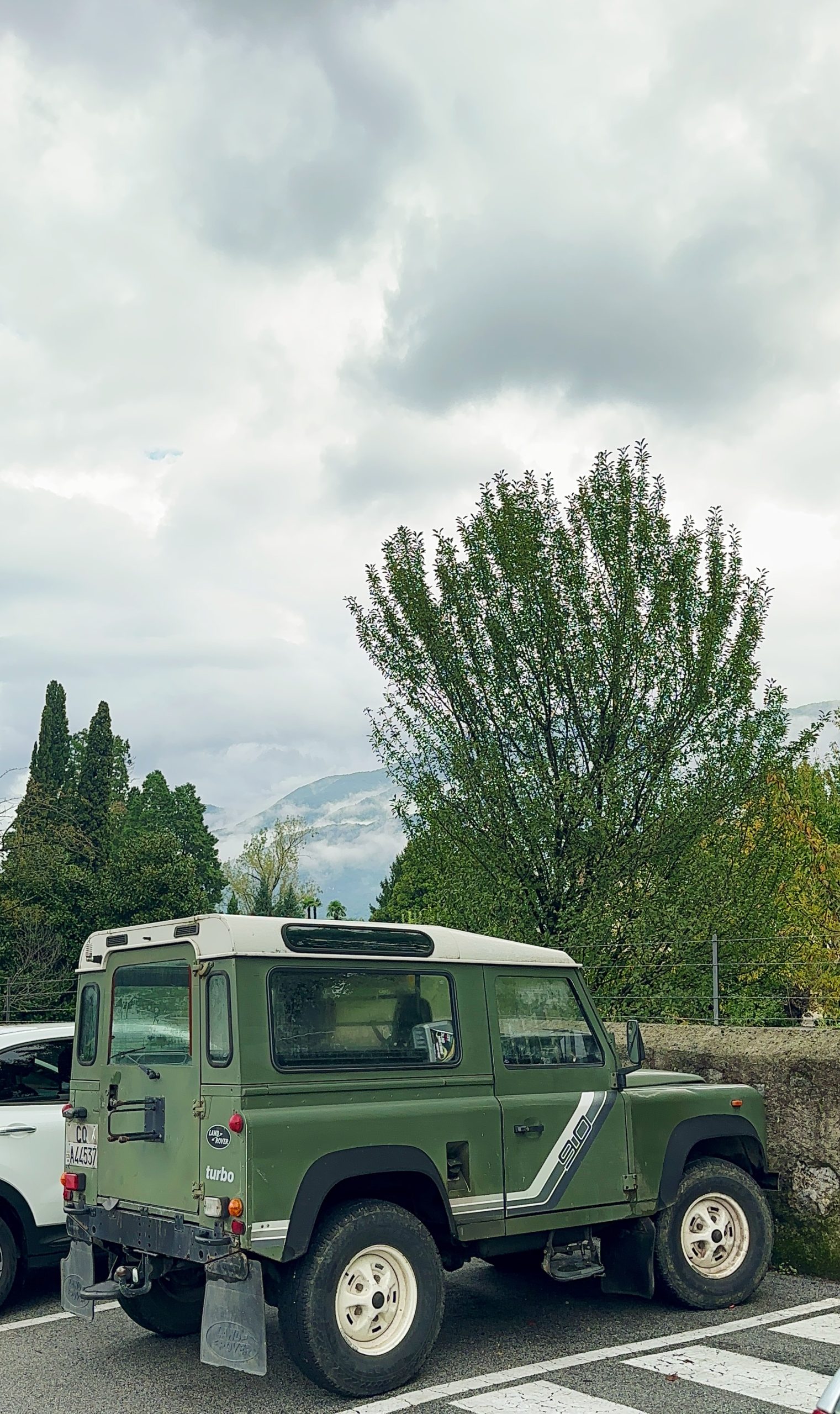
The classic Land Rover Defender was built in an era when towing regulations were simpler and vehicles were expected to pull their weight — literally. The official towing capacities are consistent across the range:
Defender 90, 110, and 130 (all engines, 1983–2016): Braked trailer: 3,500 kg. Unbraked trailer: 750 kg. Maximum gross train weight varies by engine and GVW rating.
These numbers look impressive, and they are. A classic Defender can legally tow 3,500 kg, which covers virtually any standard trailer, caravan, or horsebox you are likely to encounter. However, there is an important distinction between what a vehicle can legally tow and what it can safely and comfortably tow.
One caveat if that horsebox is the reason you are reading this: with horses, the licence category bites before the towing capacity does. A tow car and a two horse trailer added together are well over the 3,500 kg a category B licence allows, which puts almost every outfit into BE territory. The licence rules, the weights that matter and which cars actually do the job are set out here.
The Reality of Towing with a Classic Defender
The classic Defender will tow 3,500 kg all day long without complaint from the chassis, axles, or transfer case. These components were over-engineered from the start. The limiting factor is always the engine.
200Tdi and 300Tdi: These engines produce around 107–111 bhp and 195–221 lb-ft of torque. They will tow a 3,500 kg trailer, but progress will be slow on hills and motorway overtaking will require patience and planning. Expect 50–55 mph as a comfortable cruising speed when towing heavy loads. Fuel consumption will drop to 15–18 mpg.
Td5: With 122 bhp and 221 lb-ft of torque, the Td5 is noticeably more capable when towing. It handles 2,500–3,000 kg trailers with reasonable ease and maintains motorway speeds more comfortably. The electronic fuel injection provides smoother power delivery than the earlier mechanical engines.
2.4 and 2.2 TDCi: The most powerful classic Defender engines, producing 122–150 bhp and up to 266 lb-ft of torque. These are the best classic Defenders for regular towing. The 2.2 TDCi in particular has enough torque to manage a fully loaded trailer without constant gear changes. However, the DPF system can struggle during low-speed towing if the engine cannot reach regeneration temperature.
Towing Equipment for Classic Defenders
Every classic Defender came with a tow bar mounting point as standard — this is a working vehicle, after all. However, the original tow bars are often corroded or damaged after decades of use. Check the condition of the tow bar, the mounting bolts, and the chassis around the mounting points.
For heavy towing, a NATO tow hitch provides more clearance than a standard ball hitch and is stronger. Many military-specification Defenders were fitted with NATO hitches from the factory.

New Defender Towing Capacity
Official Towing Figures
The new Land Rover Defender has impressive towing capabilities that vary by model and engine:
Defender 90: Braked trailer: 3,500 kg. Unbraked trailer: 750 kg. Nose weight: 150 kg. Gross train weight: 6,600–7,200 kg depending on engine.
Defender 110: Braked trailer: 3,500 kg. Unbraked trailer: 750 kg. Nose weight: 150 kg. Gross train weight: 6,850–7,400 kg depending on engine.
Defender 130: Braked trailer: 3,500 kg. Unbraked trailer: 750 kg. Nose weight: 150 kg. Gross train weight: 7,100–7,600 kg depending on engine.
Towing Performance by Engine
The new Defender is a significantly better towing vehicle than the classic, thanks to more powerful engines, an eight-speed automatic gearbox, and advanced towing electronics. However, performance varies considerably between engine options.
D200 (2.0 four-cylinder diesel, 200 bhp): Adequate for lighter trailers up to 2,000 kg, but feels strained with heavier loads. The four-cylinder engine works hard when towing and the fuel consumption increases dramatically. The DPF system can also struggle during sustained low-speed towing.
D250 (3.0 six-cylinder diesel, 249 bhp): A significant step up from the D200. The six-cylinder engine provides smooth, effortless torque and handles 3,000 kg trailers with ease. This is the minimum engine recommendation for anyone who tows regularly.
D300 (3.0 six-cylinder diesel, 300 bhp, 479 lb-ft): The best engine for towing in the Defender range. The combination of 300 bhp and 479 lb-ft of torque means the D300 barely notices a heavy trailer. Motorway cruising at 60 mph with a 3,000 kg trailer is relaxed and unstressed. Fuel economy when towing sits around 22–26 mpg depending on the load.
P400 (3.0 six-cylinder petrol, 400 bhp): Powerful enough for any towing task, but the fuel economy when towing drops to 16–20 mpg, which makes long-distance towing expensive. The mild hybrid system provides a useful boost of low-end torque when pulling away with a heavy load.
V8 (5.0 supercharged, 525 bhp): More power than you will ever need for towing. The V8 treats a 3,500 kg trailer like it is not there. Fuel economy when towing is around 12–16 mpg, which is eye-watering but irrelevant if you can afford to buy a V8 Defender in the first place.
Advanced Towing Features
The new Defender comes with a suite of electronic towing aids that make it one of the easiest vehicles to tow with:
Advanced Tow Assist: Available on models equipped with the optional Towing Pack, this system allows you to control the direction of the trailer using the rotary controller on the centre console. You select the direction you want the trailer to go, and the system steers the vehicle accordingly. For anyone who has struggled with reversing a trailer, this is transformative.
Trailer Stability Assist: Standard on all new Defenders, this system detects trailer sway and automatically applies the brakes to individual wheels to bring the trailer back into line. It works impressively well and provides genuine confidence at motorway speeds.
Configurable Terrain Response: The Terrain Response system has a specific towing mode that adjusts throttle response, gearbox behaviour, and traction control settings for optimal towing performance.
Towing Regulations You Need to Know
UK Towing Law
UK towing regulations depend on when you passed your driving test:
Licence obtained before 1 January 1997: You can tow a trailer of any weight up to the vehicle’s maximum towing capacity. No additional licence or test is required.
Licence obtained on or after 1 January 1997: Following the December 2021 rule change, Category B licence holders can now tow trailers up to 3,500 kg MAM without needing an additional test. This applies to all new Defenders and most classic Defender towing scenarios.
Weight Calculations
Understanding your actual towing weights is essential for both safety and legal compliance. Here is how to calculate them:
Gross Vehicle Weight (GVW): The maximum permitted weight of the Defender including passengers, fuel, and payload. This is listed on the VIN plate.
Maximum Authorised Mass (MAM) of trailer: The maximum permitted weight of the trailer including its load. This is listed on the trailer’s plate.
Gross Train Weight (GTW): The maximum permitted combined weight of the vehicle and trailer. This must not be exceeded regardless of individual vehicle and trailer weights.
The critical calculation is: actual vehicle weight + actual trailer weight must not exceed the GTW. Many people check their trailer weight but forget to account for the weight of passengers, luggage, and fuel in the towing vehicle.
Nose Weight
The nose weight — the downward force the trailer exerts on the tow ball — is just as important as total trailer weight. Too little nose weight causes the trailer to sway. Too much nose weight overloads the rear axle and lifts the front of the vehicle, reducing steering and braking effectiveness.
The maximum nose weight for the new Defender is 150 kg. For classic Defenders, the typical recommended nose weight is 75–100 kg depending on the model and tow bar fitted. Always check the tow bar’s rated nose weight as well as the vehicle’s limit.
Practical Towing Tips for Defender Owners
Before You Tow
Check tyre pressures on both the vehicle and trailer. Increase the rear tyre pressure on the Defender by 4–6 psi when towing heavy loads. Ensure all lights work on the trailer and that the breakaway cable is correctly attached.
If towing with a classic Defender, check the gearbox and transfer case oil levels. Towing puts significant additional load on the transmission, and low oil levels can cause overheating and premature wear.
On the Road
Use the correct gear. With a classic Defender, towing in too high a gear will overload the engine and clutch. With the new Defender’s automatic gearbox, the transmission generally manages itself well, but you can use manual mode on long descents to provide engine braking.
Allow significantly more stopping distance when towing. The Defender is already a heavy vehicle — add a 2,000–3,500 kg trailer and your stopping distance can double.
Watch your speed. The UK speed limit when towing on a motorway is 60 mph, not the normal 70 mph. On single carriageways, the limit drops to 50 mph unless otherwise signed.
Towing and Fuel Economy
Towing has a dramatic impact on fuel economy. As a rough guide: Classic Defender (diesel): expect 15–22 mpg depending on engine and load. New Defender D300: expect 22–28 mpg towing, compared to 30–35 mpg unladen. New Defender P400: expect 16–22 mpg towing. New Defender V8: expect 12–16 mpg towing.

Which Defender is Best for Towing?
If towing is a primary use for your Defender, here is the definitive ranking:
Best overall towing Defender: New Defender 110 D300. The combination of a powerful six-cylinder diesel, eight-speed automatic, air suspension (if fitted), and advanced towing electronics makes this the most capable and comfortable towing Defender ever made.
Best classic Defender for towing: Defender 110 with 2.2 TDCi engine. The most powerful classic Defender engine with enough torque for heavy loads, combined with the 110’s longer wheelbase for better stability.
Best budget towing Defender: Classic Defender 110 with 300Tdi. Cheap to buy, cheap to maintain, and will tow 3,500 kg all day. Just do not expect to set any speed records.
Avoid for towing: New Defender 90 D200. The combination of a short wheelbase, underpowered engine, and known reliability issues makes this the wrong choice for regular towing.
Frequently Asked Questions
Can a Defender tow 3,500 kg?
Yes. Both the classic and new Land Rover Defender have a maximum braked towing capacity of 3,500 kg across all models and engine options. However, the experience of towing 3,500 kg varies enormously depending on the engine. A classic Defender with a 200Tdi engine will tow 3,500 kg legally and safely, but very slowly. A new Defender D300 will tow the same weight comfortably at motorway speeds.
What is the towing capacity of a Defender 110?
The Defender 110 has a maximum braked towing capacity of 3,500 kg in both classic and new versions. The new Defender 110 has a gross train weight of 6,850–7,400 kg depending on engine, an unbraked trailer limit of 750 kg, and a maximum nose weight of 150 kg.
Do I need a special licence to tow with a Defender?
In the UK, following the December 2021 law change, a standard Category B driving licence allows you to tow trailers up to 3,500 kg MAM. This covers the full land rover defender towing capacity. No additional test or licence category is required regardless of when you obtained your licence, as the previous restriction on post-1997 licences was removed.
Towing affects fuel consumption significantly. See our complete fuel economy guide for real-world MPG figures when towing.
Read more
Best Defender Accessories and Upgrades for Every Build
One of the best things about the Defender is how much you can customize it. Land Rover offers...
Jun 23, 2026Land Rover Defender Common Problems (& How to Fix Them)
There's a saying among Defender owners that goes something like this: "If it's not leaking oil, it's out...
Jun 1, 2026Land Rover Defender Insurance: How Much Does It Cost?
Let me tell you something that might ruin your afternoon. You have finally saved up enough to buy...
Jun 8, 2026Shop
Wear the sighting.
Small things for people who slow down when a Defender comes the other way. Printed in Estonia, posted anywhere in the world.