Ownership
Land Rover Defender Reliability: The Honest Truth Nobody Wants to Hear
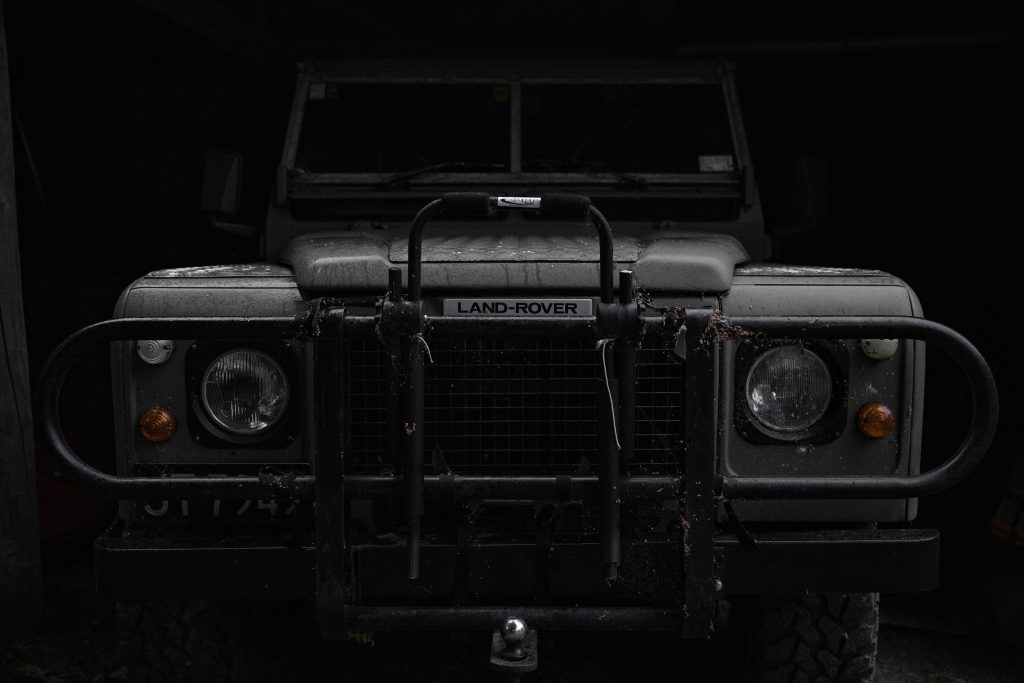
The Elephant in the Workshop
Let’s address this immediately. You are reading an article about land rover defender reliability on a website run by someone who genuinely loves these vehicles. So you might expect me to tell you they’re as dependable as a Swiss watch and you’ll never see the inside of a garage.
I’m not going to do that.
People often ask whether the Defender is the most reliable Land Rover in the range. The truth about land rover defender reliability is complicated, occasionally infuriating, and entirely dependent on which Defender you’re talking about. Because there are really two completely different vehicles that share the name, and they have completely different problems. The classic Defender — built from 1983 to 2016, evolved from the original Series Land Rover — is a mechanical thing. When it goes wrong, and it will go wrong, you can usually fix it with a spanner, some swearing, and a YouTube video. The new Defender, built from 2020 onwards, is a computer on wheels. When it goes wrong, you need a diagnostic laptop and a second mortgage.
Both are brilliant. Both will let you down at some point. The question is not whether a Defender is reliable — it is whether you are prepared for the specific ways in which it is unreliable.

Classic Defender Reliability: The Devil You Know
The Good News
The classic Defender is one of the most mechanically straightforward vehicles ever built. The 200Tdi and 300Tdi engines are legendary for their durability — there are examples with over 300,000 miles still running strong on original engines. The Td5, despite what the internet says, is also a perfectly solid engine once you understand its quirks. The chassis is a simple ladder frame. The axles are beam axles. The gearbox is agricultural. There is almost nothing on a classic Defender that a competent home mechanic cannot repair.
This simplicity is the single greatest advantage of the classic Defender when it comes to land rover defender reliability. Parts are cheap, available everywhere, and shared across thousands of vehicles. A clutch replacement costs a few hundred pounds. A head gasket is a weekend job. Even a complete engine swap is something people do in their driveways.
The Bad News
Classic Defenders rust. They rust with a commitment and enthusiasm that borders on performance art. The bulkhead, the chassis, the door frames, the rear crossmember, the outriggers — every single one of these will corrode given enough time and enough British weather. Rust is the number one killer of classic Defenders and the single biggest reliability concern for any buyer.
The 300Tdi is prone to head gasket failure if the cooling system is not maintained. The Td5 has the infamous “death rattle” — a noise from the fuel pressure regulator that sounds catastrophic but is usually a straightforward repair. The R380 gearbox can develop bearing issues at high mileage. The LT230 transfer case is essentially indestructible, which is fortunate because everything around it is trying quite hard to fall apart.
Electrical systems on classic Defenders are basic but poorly designed. Lucas electrics — often called the Prince of Darkness — are responsible for more roadside breakdowns than any mechanical component. Earth connections corrode. Wiring looms chafe. Indicators develop a mind of their own. None of this is expensive to fix, but all of it is annoying.
Classic Defender Reliability by Engine
The engine is the heart of any land rover defender reliability conversation. Here is an honest assessment of each:
200Tdi (1989–1994): The gold standard. Direct injection, no electronics, will run on almost anything vaguely resembling diesel. Rarely breaks. When it does break, parts cost approximately nothing. If someone tells you the 200Tdi is unreliable, they have confused it with a different engine. 9/10 for reliability.
300Tdi (1994–1998): Almost as good as the 200Tdi but with a known head gasket weakness. Keep the coolant fresh, replace the thermostat regularly, and monitor the temperature gauge. Do these things and the 300Tdi will run for 250,000 miles without complaint. Ignore them and you will be shopping for a replacement head. 8/10.
Td5 (1998–2007): The first electronically managed Defender engine. The fuel pressure regulator is a known weak point, the oil pump bolt can work loose on early models (a catastrophic failure if missed), and the injector harness seal leaks. All of these have well-documented fixes. Once sorted, the Td5 is a strong, smooth, powerful engine. 7/10 — but only because the electronics add complexity.
2.4 TDCi / 2.2 TDCi (2007–2016): Ford-sourced engines fitted to the final Defenders. Good engines in their own right, but the DPF system can cause problems if the vehicle is used primarily for short journeys. The 2.2 is the better of the two. Both are reliable once the DPF is either maintained properly or, in some jurisdictions, removed. 7/10.

New Defender Reliability: The Problems Nobody Warned You About
The Uncomfortable Reality
The new Land Rover Defender is a spectacular vehicle. It is also, by any objective measure, significantly less reliable than a Japanese equivalent. This is not prejudice or snobbery — it is what the data shows, what the forums report, and what the dealer service departments deal with daily.
New defender problems fall into several categories, and some are more serious than others. Let me walk through them honestly.
Engine and Drivetrain Issues
Timing chain problems (2.0 Ingenium diesel): This is the big one. The 2.0-litre four-cylinder diesel engine used in the D200 and D240 models has a documented timing chain issue caused by oil dilution from incomplete DPF regeneration cycles. The chain stretches, which causes a rattling noise on cold start, and if ignored, can lead to complete engine failure. This is an expensive repair — expect bills of £3,000 to £6,000 depending on the extent of the damage.
Turbocharger failure (2.0 Ingenium diesel): Related to the timing chain issue, the turbocharger on the four-cylinder diesel is prone to failure from carbon build-up and oil feed pipe issues. A replacement turbo with fitting costs between £1,500 and £3,000.
Oil filter housing cracks (six-cylinder models): Land Rover issued a recall for the D200, D250, D300, D350, and P400 models because the oil filter housing was manufactured from the wrong specification of plastic. The housing can crack under heat and pressure, causing oil to leak onto hot engine components — a genuine fire risk. If your Defender is affected and has not been recalled, get it done immediately.
Piston cooling oil jet solenoid failure (2.0 diesel): The thermostat housing leaks coolant onto the solenoid body and connector, causing it to fail. This one is insidious because it can cause piston damage if not caught early.
Electrical and Software Gremlins
This is where the new Defender earns its reputation for unreliability. The vehicle runs on an incredibly complex electronic architecture, and it does not always behave itself.
Warning lights: Dashboard warning lights appearing for no apparent reason is the single most common complaint among new Defender owners. AdBlue warnings on diesel models are particularly common, even when the system is functioning correctly. The solution is usually a software update, but that means a trip to the dealer every time.
Infotainment system glitches: The Pivi Pro system can freeze, lag, lose Bluetooth connections, or simply refuse to acknowledge that your phone exists. Land Rover has issued numerous over-the-air updates to address these issues, and the system has improved significantly since 2020, but it remains less polished than competitors.
Start-stop system malfunctions: Multiple owners report the vehicle refusing to start, or more alarmingly, refusing to turn off. This is typically a software issue resolved by a dealer visit, but it is unnerving when your £60,000 vehicle ignores your instruction to stop running.
Suspension and Braking
Air suspension failures: Defenders equipped with the optional air suspension can develop leaks in the air springs, causing the vehicle to sit unevenly or drop overnight. Replacement air springs cost £300–£600 per corner, plus fitting.
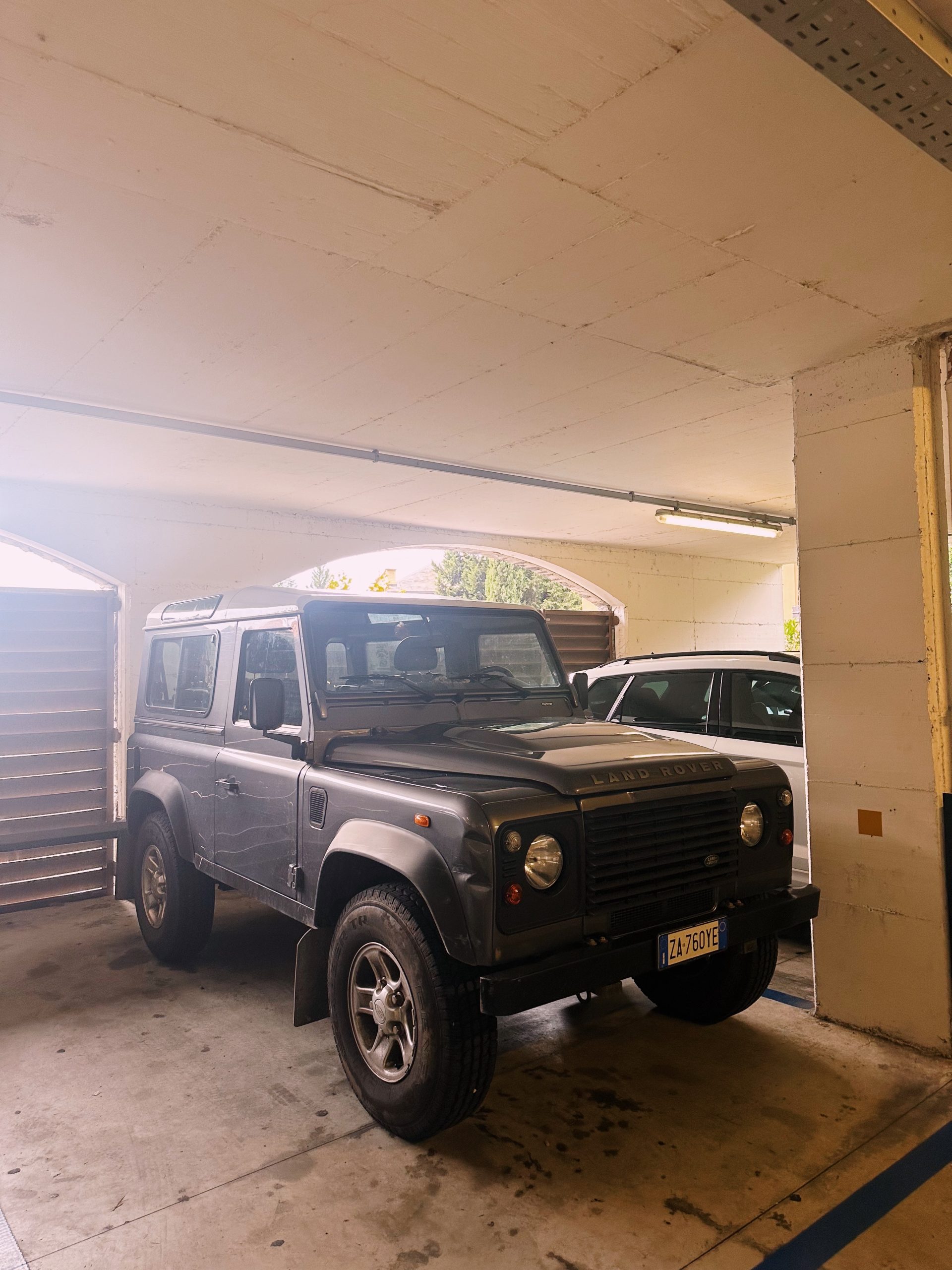
Brake disc wear (Defender 130): The heavier Defender 130 has been reported to wear through brake discs significantly faster than expected, particularly if used for towing. Owners report needing replacements at 15,000–20,000 miles rather than the expected 30,000–40,000.
Body and Trim
Windshield cracking: This is a well-documented issue that has led to a class action lawsuit in the United States. The new Defender’s windshield appears to be unusually fragile, with owners reporting spontaneous cracks without any visible impact. Replacement windshields are expensive — £500–£1,000 fitted — and owners report repeat failures.
Water ingress: Several owners have reported water leaking into the cabin through the tailgate seal, the roof joints, or the air conditioning drainage. This is particularly ironic for a vehicle marketed on its ability to wade through rivers.
Rattles and squeaks: The interior trim, particularly around the door cards and dashboard, develops rattles over time. This is a quality control issue rather than a reliability issue, but when you have spent upwards of £55,000 on a vehicle, you expect the interior to remain rattle-free for more than twelve months.
New Defender Reliability by Model: Which One Should You Buy?
Not all new Defenders are created equal when it comes to reliability. Here is a practical guide (and see our detailed best year Defender to buy guide for even more):
D200 / D240 (2.0 four-cylinder diesel): The most problematic engine option due to the timing chain and turbo issues. If you must have one, ensure the oil has been changed religiously every 10,000 miles or annually, and that DPF regeneration cycles have been completing properly. Budget for a timing chain replacement at some point. Not recommended if you primarily drive short distances.
D250 / D300 (3.0 six-cylinder diesel): Significantly more reliable than the four-cylinder. The six-cylinder Ingenium diesel is a fundamentally better engine. The oil filter housing recall is the main concern — ensure it has been done. These are the sweet spot for diesel buyers.
P300 (2.0 four-cylinder petrol): Reasonably reliable but underpowered for the weight of the vehicle. The turbo works hard, which may affect longevity. Not many in the UK market.
P400 (3.0 six-cylinder petrol with mild hybrid): A smooth, powerful, and generally reliable engine. The 48-volt mild hybrid system adds a small layer of complexity but has not proven problematic. A good choice for those who drive longer distances and want a petrol.
V8 (5.0 supercharged): Tremendous fun but a known oil consumer. The supercharger adds maintenance cost. Not the choice for anyone prioritising reliability or economy, but you probably knew that already.
How to Maximise Your Defender’s Reliability
For Classic Defenders
Rust prevention is everything. Treat the chassis with Waxoyl or a similar product annually. Check the bulkhead for corrosion around the windscreen base and footwells. Replace corroded brake lines before they fail. Keep the cooling system maintained with fresh antifreeze — this alone prevents the majority of 300Tdi head gasket failures.
Change the oil every 6,000 miles with a quality mineral oil (not synthetic on older engines). Grease all the nipple points every 3,000 miles — there are over twenty of them on a classic Defender. Check wheel bearings, swivel housings, and propshaft UJs regularly.
For New Defenders
Follow the service schedule religiously. Use the correct specification oil — the Ingenium engines are sensitive to oil quality. If you have the 2.0 diesel and drive mostly short journeys, take it on a motorway run of at least 30 minutes every two weeks to allow the DPF to regenerate properly.
Check for outstanding recalls at your dealer. Keep the software updated — many issues are resolved through over-the-air updates. If warning lights appear, do not ignore them. Document everything for warranty claims.
Budget for an extended warranty if buying used. The electronics on the new Defender are expensive to repair outside of warranty, and the likelihood of needing a repair in the first five years is higher than you might hope.

The Verdict: Is a Land Rover Defender Reliable?
Here is the honest answer about land rover defender reliability: it depends entirely on your definition of reliable.
If reliable means never breaking down, never needing attention, and never costing you a penny beyond fuel and insurance — no. A Defender is not reliable. Buy a Toyota.
If reliable means a vehicle that will always get you home eventually, that can be repaired anywhere in the world, that rewards care and maintenance with years of faithful service, and that possesses a character and capability that no amount of Toyota dependability can replicate — then yes. A Defender is reliable in the way that matters.
The classic Defender will require your attention. It will rust, it will leak, it will develop electrical quirks that make no sense. But it will start in the morning, it will pull you through mud that would swallow a Range Rover, and it will still be running long after everything else in your garage has been scrapped. There is a reason why Defenders from the 1990s are still working vehicles across Africa, the Middle East, and rural Britain.
The new Defender is a more complex proposition. It is faster, more comfortable, and infinitely more capable as a daily driver. But it carries the weight of modern electronics and the associated potential for expensive failures. The six-cylinder models are markedly more reliable than the four-cylinder diesels, and the reliability record has improved with each model year as Land Rover addresses known issues through recalls and software updates.
The Defender has never been about perfection. It has always been about capability, character, and the stubborn refusal to give up — even when something is leaking, rattling, or displaying a warning light that nobody can explain. That is what makes it a Defender. And that, whether you find it charming or infuriating, is unlikely to change.
Frequently Asked Questions
Is the new Land Rover Defender reliable?
The new Defender’s reliability depends heavily on the engine choice. The six-cylinder models (D250, D300, P400) are significantly more reliable than the four-cylinder 2.0 diesel, which has documented timing chain and turbo issues. Overall, the new Defender is average for its class — better than its reputation suggests but not as dependable as Japanese rivals. An extended warranty is highly recommended.
What is the most reliable Defender engine?
For classic Defenders, the 200Tdi is considered the most reliable engine ever fitted. It has no electronics, uses direct injection, and examples regularly exceed 300,000 miles on original engines. For the new Defender, the 3.0 six-cylinder Ingenium diesel (D250/D300) offers the best combination of performance and reliability.
How many miles will a Defender last?
A well-maintained classic Defender can last essentially forever — the engine and drivetrain will cover 300,000+ miles, and the chassis and body can be replaced or repaired indefinitely. The new Defender is too young to have definitive long-term data, but the six-cylinder engines are expected to be good for at least 150,000–200,000 miles with proper maintenance.
For a detailed breakdown of every issue you might encounter, see our complete guide to Defender common problems and how to fix them.
Is the Defender the most reliable Land Rover?
Compared to other models in the Land Rover lineup, the classic Defender (particularly the 300Tdi and Td5 variants) is widely regarded as the most reliable Land Rover ever built. Its mechanical simplicity, robust ladder-frame chassis, and lack of complex electronics give it a significant reliability advantage over models like the Discovery, Range Rover, or Freelander. The new Defender shares more components with the rest of the Range Rover family and is closer in reliability to those models, though early reports suggest it holds up better than the Evoque or Discovery Sport. If you want the most reliable Land Rover for long-term ownership, a well-maintained classic Defender with a 300Tdi engine is hard to beat.