Ownership
Land Rover Defender Insurance: How Much Does It Cost?
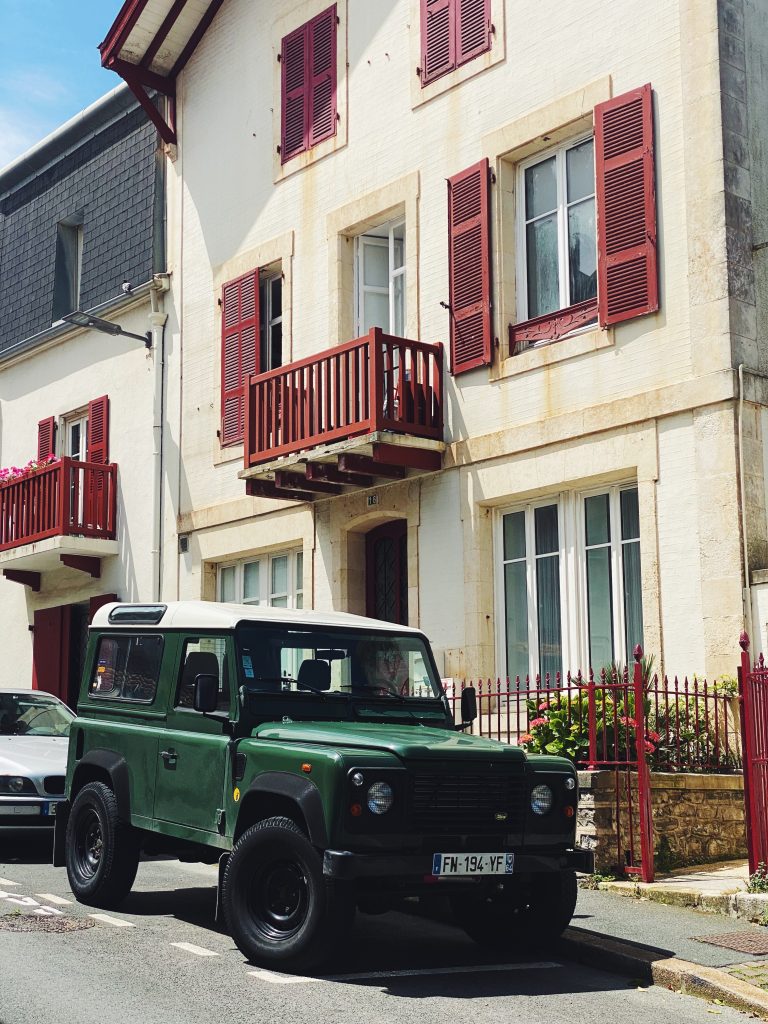
Let me tell you something that might ruin your afternoon. You have finally saved up enough to buy the Defender of your dreams, you have found the perfect one, you have shaken hands with the seller, and then you call your insurance company. The quote they give you makes your eyes water so badly you nearly drive the thing into a ditch on the way home. Land Rover Defender insurance is one of those topics nobody wants to think about until it slaps them across the face with a number that feels personally offensive.
I have owned Defenders for years. I have insured everything from a ratty old 200Tdi that leaked more oil than a deep fat fryer to a brand new Defender V8. And I can tell you with absolute confidence that insuring these vehicles is a world unto itself. The costs vary so enormously between a classic and a modern Defender that they might as well be different species of vehicle entirely. Which, if you have read the debate over at the classic Defender vs new Defender comparison, you will know they basically are.
So let me walk you through every single thing you need to know about insuring a Land Rover Defender. How much it actually costs, what affects the price, and how to stop your insurance company from treating you like a walking cash machine.
How Much Does Land Rover Defender Insurance Actually Cost?
This is the question everyone asks first, and the answer is infuriatingly vague: it depends. But I am not going to leave it there because that is useless. Let me give you real numbers based on what I have seen, what owners report, and what the insurance groups tell us.
Classic Defender Insurance Costs (Pre-2016)
For a classic Defender, the one with the boxy shape, the utilitarian interior, and the charm of a farmyard dog, insurance can be surprisingly affordable. A standard 90 or 110 with a 200Tdi or 300Tdi engine, in standard condition, typically costs between 300 and 800 pounds per year for a driver over 30 with a clean history and a few years of no claims bonus.
That sounds reasonable until you remember that these vehicles are now worth serious money. A decent 300Tdi 90 that would have cost you 5,000 pounds ten years ago now fetches 25,000 to 40,000 pounds. And that is where things get complicated, because standard market value policies will not reflect what your Defender is actually worth. More on that shortly.
If you are a younger driver, under 25, expect to pay significantly more. I have heard of quotes north of 2,000 pounds for young drivers on classic Defenders, which is partly because insurance companies see a young person in an old 4×4 and immediately picture it wrapped around a tree.
New Defender Insurance Costs (2020 Onwards)
The new Defender is a completely different proposition. It sits in insurance groups ranging from 31 to 50 depending on the model and specification, which puts it firmly in premium territory. For context, insurance groups run from 1 (cheapest) to 50 (most expensive), and the Defender V8 sits right at the top.
Here is a rough guide to what you will pay annually for a new Defender:
- Defender 90 D200: 800 to 1,500 pounds per year
- Defender 110 D250: 900 to 1,800 pounds per year
- Defender 110 P400: 1,200 to 2,500 pounds per year
- Defender V8 (both 90 and 110): 2,000 to 4,000+ pounds per year
These figures assume a driver in their 30s or 40s with a reasonable postcode and a clean record. If you live in central London, add a zero. Well, not literally, but it will feel like it.
The reason the new Defender costs so much to insure is partly the purchase price (they start around 50,000 pounds and climb well past 100,000 with options), partly the repair costs (aluminium body panels and complex electronics are expensive to fix), and partly the theft risk, which I will get to in a moment.
Land Rover Defender Insurance Groups Explained
Insurance groups are set by the Association of British Insurers and Thatcham Research, and they consider everything from the vehicle’s value and performance to its repair costs and security features. Here is where the various Defenders land:
Classic Defender Insurance Groups
The classic Defender, in its various forms, generally falls into insurance groups 10 to 20. That is remarkably low for a vehicle that can cost 30,000 to 80,000 pounds, and it is one of the few financial advantages of owning a classic. The low group rating comes from the fact that the vehicle was originally designed as a cheap agricultural workhorse, its performance figures are modest (a 300Tdi does 0 to 60 in about the same time it takes to boil a kettle), and its basic construction means repairs are theoretically straightforward.
I say theoretically because anyone who has actually tried to source parts for a classic Defender knows it is not always straightforward. But from the insurance company’s perspective, the low-tech nature of these vehicles works in your favour.
New Defender Insurance Groups
The new Defender tells a very different story:
- Defender 90 D200 (base): Group 31-33
- Defender 110 D250: Group 33-36
- Defender 90/110 P400: Group 40-43
- Defender 90/110 V8: Group 48-50
- Defender 130: Group 35-42
That V8 sitting in group 48-50 is in the same territory as supercars. You are paying supercar insurance for something that looks like a garden shed on wheels. A very fast, very expensive garden shed, but still.
Factors That Affect Your Defender Insurance Premium
Understanding what pushes your premium up or down is half the battle. And with Defenders, some of these factors are unique to the model.
Theft Risk: The Elephant in the Room
I am going to be blunt here. Defenders are stolen constantly. The classic Defender has been one of the most stolen vehicles in the UK for years, and the new Defender has inherited some of that unwanted attention. Thieves love classic Defenders because they are simple to steal (no modern immobilisers, easy to hotwire), easy to strip for parts, and there is a thriving market for stolen components. If you want to understand more about the issues these vehicles face, the common problems guide covers the mechanical side, but theft is a whole separate headache.
The new Defender faces theft through technology. Relay attacks on keyless entry systems are rampant, and despite Land Rover’s efforts to improve security, the new Defender remains a target. Insurance companies know this, and they price accordingly.
Where you live matters enormously. A Defender parked in a locked garage in rural Devon will cost far less to insure than one parked on a street in Birmingham or Manchester. If you can garage your Defender, do it. Not just for insurance purposes, but because you will actually still have a Defender in the morning.
Your Age and Driving History
This affects every vehicle, but the impact on Defenders is amplified. A young driver with a new Defender V8 is basically an insurance company’s worst nightmare. The combination of an inexperienced driver, a powerful vehicle with agricultural handling characteristics (even the new one can feel unwieldy), and a high repair cost means premiums can be astronomical.
Drivers over 30 with several years of no claims bonus will find things much more manageable. If you have 5 or more years of no claims, that discount can cut your premium by 50 to 60 percent, which on a Defender can mean saving over a thousand pounds.
Mileage and Usage
How you use your Defender matters. A vehicle used for daily commuting will cost more to insure than one used as a weekend toy. Low annual mileage (under 5,000 miles) can bring premiums down significantly.
If you use your Defender for off-road driving, you need to declare this. Some insurers will not cover off-road use at all, while others will charge extra. And if you use it for greenlaning or competition, you may need specialist cover. Do not be tempted to lie about this. If you have an accident on a muddy track and your policy says “road use only,” you are paying for the repairs yourself.
Modifications and Insurance
This is where Defender owners really get caught out. Because Defenders are the most modified vehicles on the planet. Almost nobody leaves one standard. You put a snorkel on, you upgrade the suspension, you fit bigger tyres, you add a winch, you might even do a full engine swap. And every single one of those modifications needs to be declared to your insurer.
Modifications that typically increase premiums include:
- Engine upgrades or swaps (significant increase)
- Suspension lifts
- Larger wheels and tyres
- Bull bars and external protection
- Roll cages
- Winches
- Lighting upgrades (LED light bars)
- ECU remapping on new Defenders
- Body conversions (pickup, camper)
Modifications that are generally neutral or can reduce premiums include:
- Security upgrades (Thatcham-approved alarms, immobilisers, tracking devices)
- Parking cameras
- Dash cams
The key rule is this: declare everything. If you have an accident and the insurer discovers undeclared modifications, they can void your policy entirely. That means no payout, no legal cover, nothing. I have seen this happen to people and it is devastating.
Agreed Value Policies: Essential for Classic Defenders
If you own a classic Defender and you do not have an agreed value policy, stop reading this article and go get one. Right now. I am serious.
A standard market value policy means the insurer decides what your vehicle is worth if it is written off or stolen. And their valuation will almost certainly be lower than what you paid or what the vehicle is actually worth. Classic Defenders have appreciated so dramatically that standard insurance valuations are often tens of thousands of pounds below reality.
An agreed value policy means you and the insurer agree on the vehicle’s value upfront, usually supported by an independent valuation or evidence of purchase price. If the worst happens, you get that agreed amount. Yes, it costs a bit more in premium, but the difference between getting 15,000 pounds on a standard policy and 45,000 pounds on an agreed value policy is the difference between replacing your Defender and not.
Several specialist insurers offer agreed value policies for classic Defenders:
- Adrian Flux (well known for classic and modified vehicles)
- Lancaster Insurance (classic car specialists)
- Hagerty (specialist classic vehicle insurer)
- Footman James (classic car and bike specialists)
If you are buying a classic Defender and want to understand more about the process, the buying guide is worth reading alongside this insurance advice.
How to Reduce Your Land Rover Defender Insurance Costs
Right, here is the bit you actually came for. Practical, tested ways to bring your premium down without cutting corners on cover.
Install Approved Security Devices
This is the single most effective thing you can do, especially on a classic Defender. Fitting a Thatcham Category 1 alarm and immobiliser can reduce premiums by 10 to 15 percent. Adding a GPS tracking device (Thatcham Category 5 or 6) can bring it down further, and some insurers require a tracker for high-value classic Defenders before they will even offer a quote.
For classic Defenders, consider:
- A comprehensive alarm/immobiliser system (not just a basic aftermarket alarm)
- A hidden kill switch (not insurance-rated but a practical deterrent)
- Pedal lock or steering lock (visible deterrents)
- GPS tracker with 24/7 monitoring
For new Defenders, a signal-blocking Faraday pouch for your key fob is essential to prevent relay attacks. Some owners also fit aftermarket OBD port locks to prevent diagnostic port theft methods.
Use a Specialist Insurer
Do not just go to a comparison site and pick the cheapest quote. Mainstream insurers often do not understand Defenders and will either overcharge you or provide inadequate cover. Specialist insurers understand the market, the modifications culture, and the true values of these vehicles.
For classic Defenders, try Lancaster Insurance or Hagerty. For modified Defenders, Adrian Flux is usually the first port of call. For new Defenders, you might still find competitive quotes through Land Rover’s own insurance partnership.
Increase Your Voluntary Excess
Raising your voluntary excess from 250 to 500 or even 1,000 pounds can reduce your premium by 10 to 20 percent. Just make sure you can actually afford to pay it if you need to claim.
Limit Your Mileage
If your Defender is not your daily driver, declare a low annual mileage. Under 3,000 miles per year puts you in the lowest bracket with most insurers. Be honest about this, but if you genuinely only use it for weekends and holidays, say so.
Park It in a Garage
A locked garage can reduce premiums by 5 to 10 percent. Given the theft risk with Defenders, this is one of the most impactful things you can do. If you do not have a garage, a locked compound or secure parking area is the next best thing. Parking on a driveway is better than on the street, and on the street is basically waving a flag at thieves.
Build Up No Claims Bonus
If you are a new driver or new to Defender ownership, consider getting a low-cost vehicle first to build up your no claims bonus before buying a Defender. Five or more years of no claims can halve your premium. Some insurers also allow you to transfer no claims bonus from another vehicle.
Pay Annually
Paying monthly is essentially taking out a loan on your insurance, and the interest rates are often eye-watering. If you can afford to pay the full annual premium upfront, you will save 10 to 20 percent compared to monthly payments.
Join an Owners’ Club
Some insurers offer discounts for members of recognised owners’ clubs. The Land Rover Owner International community and various regional Land Rover clubs can provide discount codes for certain insurers. The discount is usually modest (5 to 10 percent), but every little helps.
Young Driver Costs and Solutions
If you are under 25 and want to insure a Defender, I feel your pain. The numbers are brutal. A 20 year old insuring a classic 90 might face quotes of 2,500 to 4,000 pounds per year. For a new Defender, it might not even be possible to get a quote at all.
There are a few strategies that can help:
Black box (telematics) insurance involves fitting a device that monitors your driving. If you drive sensibly, your premium comes down at renewal. Not every insurer offers this for Defenders, but it is worth asking.
Named driver on a parent’s policy can work if a parent owns the vehicle and you are genuinely a secondary driver. Do not “front” the policy by pretending a parent is the main driver when you are actually driving it most of the time. This is fraud, and insurers investigate it.
Start with something cheaper and build up your no claims bonus. I know this is not what you want to hear, but two or three years of no claims on a more modest vehicle can save you thousands when you eventually insure a Defender.
The reason Defenders are so expensive for young drivers ties into the broader question of why Defenders are so expensive in general. They are high-value, high-theft-risk vehicles that cost a lot to repair. Insurance companies are not being unreasonable; they are responding to the actual risk profile.
Insurance Considerations by Defender Type
Defender 90 vs 110
The 90 vs 110 debate extends to insurance. The 110 is generally slightly cheaper to insure because it is seen as more of a family or utility vehicle, while the 90 is perceived as sportier and more likely to be driven enthusiastically. The difference is not huge, but it exists.
Heritage and Limited Editions
Special edition Defenders like the Heritage, Adventure, Autobiography, and various limited runs can cost more to insure because of their higher value and the increased cost of sourcing specific parts. An agreed value policy is absolutely essential for these.
Commercial Defenders (Hardtop, DCPU, Pickup)
If your Defender is registered as a commercial vehicle, you may be able to get commercial vehicle insurance, which can sometimes be cheaper than private car insurance. This applies to hardtop and pickup variants used for business purposes.
Overlanding and Expedition Builds
If you have built your Defender into an overlanding and camping setup, you need to make sure your insurance covers the additional equipment. Roof tents, cooking setups, electrical systems, and recovery gear can add thousands of pounds to your vehicle’s value, and standard policies may not cover them.
Consider contents insurance separate from vehicle insurance for removable equipment like camping gear, recovery gear, and portable electronics.
What Happens If Your Defender Is Written Off?
Understanding how write-offs work is important because Defenders present a unique situation. Due to their construction (bolt-together aluminium panels on a steel chassis for classics, aluminium monocoque for new), repair costs can escalate quickly.
For classic Defenders, a relatively minor accident can result in a write-off if the insurer’s repair estimate exceeds the market value. But here is the thing: a “written off” classic Defender can often be repaired economically by a specialist, because the bolt-together construction makes panel replacement straightforward. If your classic Defender is written off, you may be able to buy it back from the insurer for a fraction of the payout and repair it yourself.
For new Defenders, write-offs are more problematic. The aluminium monocoque construction means structural damage requires specialist repair or replacement sections, the electronics and sensor systems add to repair costs, and the parts are expensive. A new Defender can be economically written off by surprisingly minor impacts, which is partly why insurance premiums are so high.
The reliability track record of both classic and new Defenders also factors into insurance calculations. Vehicles that spend a lot of time in the workshop are vehicles that cost insurers money.
Classic Defender Insurance: Laid Up and SORN Considerations
If you are restoring a classic Defender or it is off the road for winter, you can save money with a laid-up policy. This provides fire and theft cover while the vehicle is not being used, at a fraction of the cost of full insurance. Some specialist insurers like Hagerty and Lancaster offer this as standard within their classic car policies, allowing you to switch between road and laid-up cover.
If your Defender is SORN (Statutory Off Road Notification), you still need insurance if you want any cover at all. SORN removes the legal requirement for insurance, but it also removes any protection if the vehicle is stolen from your property or damaged by fire.
The Future of Defender Insurance
Insurance costs for both classic and new Defenders are likely to continue rising. Classic Defenders are appreciating in value, which means higher agreed values and higher premiums. New Defenders continue to be theft targets, and the increasing complexity of their technology means repair costs are rising.
The shift to electrification may change things. Land Rover is expected to offer electrified Defender variants, and electric vehicles can be expensive to insure due to battery repair and replacement costs. Whether the Defender follows this trend remains to be seen.
For now, the best strategy is the same one it has always been. Shop around, use specialist insurers, invest in security, and make sure your policy actually covers what your Defender is worth. Do not let inadequate insurance be the thing that ruins your Defender ownership experience. The mechanical problems will do that all by themselves.
That last bit was a joke. Mostly.