Ownership
Land Rover Defender Common Problems (& How to Fix Them)
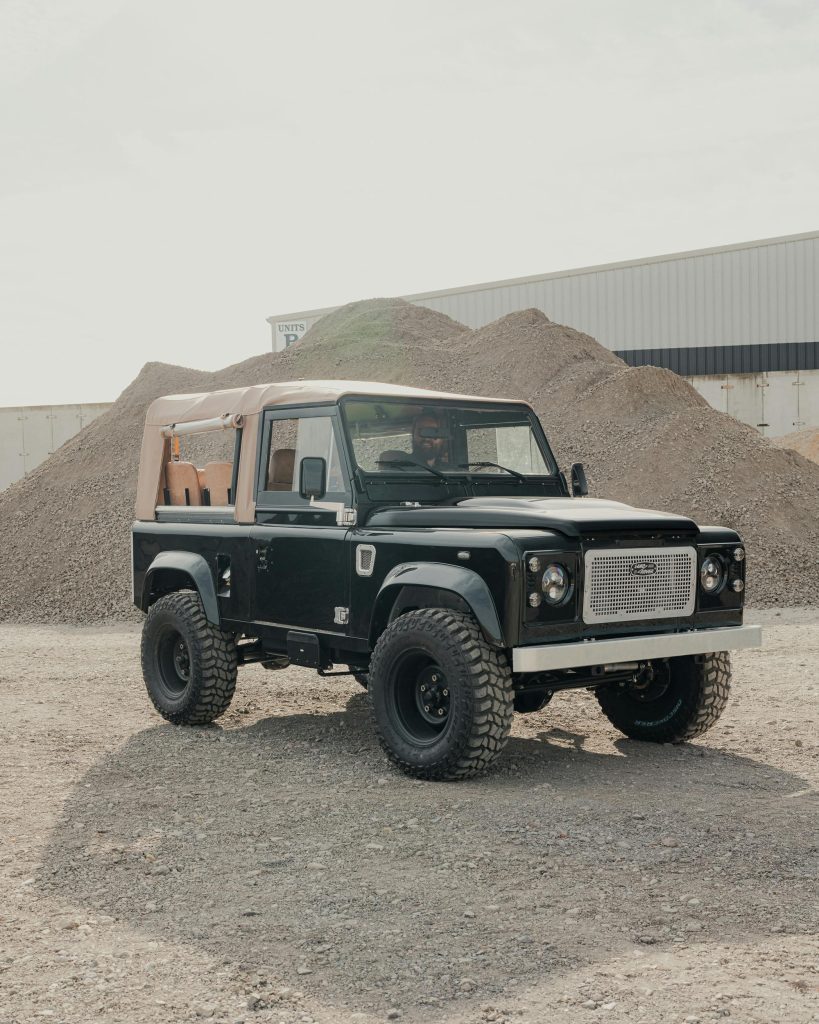
There’s a saying among Defender owners that goes something like this: “If it’s not leaking oil, it’s out of oil.” And honestly? That’s not entirely wrong. The Land Rover Defender is one of the most capable, characterful, and beloved vehicles ever built. But it is not, by any stretch, a trouble-free ownership experience.
I say this as someone who truly adores Defenders. I’ve spent years around them, written about their reliability in detail, and helped many buyers work through the used Defender market. But love without honesty is just delusion, and if you’re going to own a Defender, you need to know exactly what you’re getting into.
So let’s talk about the common problems. Not to scare you off, but to arm you with knowledge. Because a Defender that’s been properly maintained and cared for will outlast most modern vehicles. The key word there is “properly.”
Defender problems at a glance
Almost every Land Rover Defender issue falls into one of these groups. Which ones apply to you depends entirely on whether you own a classic or an L663.
| Area | What goes wrong | Affects |
|---|---|---|
| Chassis and body | Corrosion, especially the rear crossmember, outriggers and bulkhead | Classic |
| Electrics | Earth faults and connector corrosion; Td5 and Puma have their own patterns | Classic |
| Engine | Faults specific to each unit: 200Tdi, 300Tdi, Td5 and 2.4/2.2 Puma | Classic |
| Gearbox and transfer case | LT77 and R380 wear, transfer case noise and leaks | Classic |
| Suspension and steering | Swivel hubs, steering relay, damper and tired coil springs | Classic |
| Cooling | Radiator, thermostat, viscous fan and water pump failures | Classic |
| Axles and diffs | Half shafts, CV joints and differential oil leaks | Classic |
| Brakes | Discs, corroded brake lines, failing servo | Classic |
| Doors and seals | Sagging hinges, window regulators, leaking seals | Classic |
| New Defender (L663) | Infotainment glitches, tailgate water ingress, wind noise, air suspension compressor, sensor faults | 2020 onwards |
Chassis and Body Corrosion: The Silent Killer
If there’s one problem that has sent more Defenders to the scrapyard than any other, it’s rust. And not just surface rust. I’m talking about the kind of deep, structural corrosion that turns a chassis rail into something resembling a lace doily.
Why Defenders Rust So Badly
The original Defender chassis is made from mild steel, and Land Rover’s factory corrosion protection was, to put it diplomatically, inadequate. The box-section chassis rails trap moisture, mud, and road salt inside them, creating a perfect environment for corrosion to eat through the metal from the inside out.
The aluminium body panels themselves don’t rust (that’s one of the Defender’s real advantages). But where aluminium meets steel (at mounting points, hinges, and brackets), you get galvanic corrosion, which is actually worse than regular rust because it attacks aggressively at the junction between the two metals.
Where to Check
The critical areas to inspect are the rear crossmember (the single most common failure point), the outriggers (the brackets that connect the body to the chassis), the spring hangers, and the area around the rear fuel tank mounting. If you’re looking at buying a Defender, get underneath it with a torch and a screwdriver. Poke the chassis, and I mean really poke it. If the screwdriver goes through, walk away.
How to Fix It
For minor surface rust, wire brushing followed by a rust converter like Jenolite and then a coat of chassis wax (Waxoyl or Dinitrol) will slow things down considerably. For more serious corrosion, individual sections can be cut out and new steel welded in. Most specialists charge between £500 and £2,000 depending on the extent of the work.
If the chassis is too far gone, a complete replacement chassis from Richards or Marsland costs between £1,500 and £3,000 for the part alone, with fitting typically adding another £2,000 to £4,000. It’s a big job, but it essentially gives you a new foundation for the vehicle, and it’s worth doing properly rather than patching repeatedly.
Prevention
If you’ve got a good chassis, protect it now. Annual washing of the underside (especially after winter), followed by a fresh coat of wax injection into the box sections, is the single best thing you can do. Cavity wax is cheap insurance against a very expensive problem.
Electrical Gremlins: Lucas Electrics and Their Legacy
The phrase “Lucas, Prince of Darkness” exists for a reason. The electrical systems in classic Defenders (particularly those built before 2002) are notoriously unreliable. And while the post-2007 Puma models and especially the new Defender have much better electrics, they’ve introduced their own digital-age problems.
Classic Defender Electrical Issues
On pre-2002 models, the most common electrical problems include intermittent lighting (caused by corroded earth points), failing indicators (usually the stalk switch), dead instruments (often just bad connections behind the dash), and starting problems (typically the starter motor solenoid sticking).
The wiring loom itself degrades over time. Insulation becomes brittle, connections corrode, and the result is a vehicle that develops mysterious intermittent faults that can drive you absolutely mad. Water ingress through the door seals and windscreen makes everything worse.
Td5 Electrical Problems
The Td5 engine (1998-2006) introduced electronic engine management to the Defender for the first time, and with it came a whole new category of problems. The most infamous is the “fuel pressure regulator” failure. Technically, it’s the injector harness connector that leaks diesel into the wiring loom, which then wicks up into the ECU and destroys it. The fix is a new harness (about £150) and ideally an ECU relocation kit. If the ECU is already damaged, you’re looking at £400-£800 for a replacement.
The fly-by-wire throttle on Td5s can also cause problems: hesitation, surging, or complete loss of throttle response. Cleaning the throttle body and checking the wiring usually sorts it.
Puma (2.4/2.2) Electrical Issues
The later Puma-engined Defenders (2007-2016) are generally more reliable electrically, but they suffer from DPF (Diesel Particulate Filter) issues if used predominantly for short journeys, and the EGR valve can clog, causing poor running and warning lights.
New Defender Electrical Problems
The L663 new Defender is essentially a computer on wheels, and while it’s far more sophisticated than any previous model, owners have reported issues with the infotainment system freezing, software glitches requiring dealer updates, and occasional sensor failures triggering warning lights. Most of these are resolved under warranty, but they’re irritating nonetheless.
How to Fix Electrical Problems
For classic Defenders, the best investment you can make is a complete new wiring loom from a specialist like Autosparks (around £300-£500). Combined with cleaning every earth point on the vehicle and applying dielectric grease to all connections, this transforms the electrical reliability.
For Td5 models, the injector harness should be checked and replaced preventatively. It’s cheap insurance against ECU damage.
For new Defenders, keep the software updated through your dealer. Most glitches are resolved through OTA (over-the-air) updates or dealer flashes.
Engine Problems by Type
The 200Tdi (1990-1994)
The 200Tdi is arguably the most bulletproof engine Land Rover ever put in a Defender. Common problems are relatively minor: the timing belt needs replacement every 60,000 miles (if it snaps, you’re looking at a new engine), the turbo can develop boost leaks from perished hoses, and the head gasket can fail on high-mileage examples.
The 300Tdi (1994-1998)
Similar to the 200Tdi but with a few extra weak points. The 300Tdi is known for the R380 gearbox crossmember cracking, the water pump failing (replace preventatively every 60,000 miles), and the cylinder head cracking between the injector seats on very high-mileage engines. The 300Tdi also has a tendency to develop oil leaks from the crankshaft front seal and the rocker cover gasket. Neither is serious, but both are messy.
The Td5 (1998-2006)
Beyond the injector harness issue mentioned above, the Td5 can suffer from head gasket failure (particularly if overheated), oil pump drive problems (listen for a rattle on startup, and if you hear it, stop driving immediately), and the infamous “death rattle” from worn camshaft followers. The Td5 is a good engine when maintained, but it’s less forgiving of neglect than the Tdi units.
The 2.4/2.2 Puma (2007-2016)
Ford-derived diesel engines that are generally very reliable. The main issues are DPF clogging (as mentioned), injector failures on higher-mileage examples, and timing belt tensioner failures on early 2.4 models. The 2.2 is considered the better of the two and is the engine most specialists recommend for a late-model classic Defender.
New Defender Engines
The P300 and P400 petrol engines, along with the D200, D240, and D300 diesels, are all relatively new and haven’t developed widespread reliability patterns yet. Early reports suggest the mild-hybrid systems can occasionally throw errors, and the P400 has had isolated reports of turbocharger issues. The D300 diesel appears to be the most reliable of the range so far.
Gearbox and Transfer Case Problems
The LT77 Gearbox
Found in pre-1994 Defenders, the LT77 is the weakest gearbox ever fitted. Second gear syncro failure is almost inevitable. You’ll notice it as a crunch when shifting into second, especially when cold. Rebuilds cost around £600-£1,000, but many owners upgrade to the later R380 as a better long-term solution.
The R380 Gearbox
A significant improvement over the LT77, but not without its own problems. The R380 can develop a whine in fifth gear (worn bearing), and the syncros can wear on second and third gears at high mileages. The crossmember that supports the gearbox on 300Tdi models is also known to crack, which causes vibration. A rebuilt R380 costs around £800-£1,200.
The Transfer Case
The LT230 transfer case fitted to all classic Defenders is actually extremely robust. The most common issue is oil leaks from the output seals, which are straightforward to replace. The differential lock can sometimes stick engaged or refuse to engage, usually caused by a seized linkage rather than an internal problem. Centre differential wear causes a clonking sound on tight turns, and the only fix is a rebuild (around £400-£600).
New Defender Transmission
The ZF 8-speed automatic in the new Defender is a proven, reliable unit used across many manufacturers. Issues are rare, but some owners have reported occasional rough shifts that are resolved with a software update. The two-speed transfer case with electronic locking differential has been largely trouble-free.
Suspension and Steering Wear
Classic Defenders use a relatively simple beam axle setup with coil springs, which is robust but subject to wear in several key areas.
Swivel Hubs
The front swivel hubs on classic Defenders are a known maintenance item. They contain a ball joint that allows the front wheels to steer while also accommodating the drive shaft, and they’re packed with grease that needs regular replenishment. If the swivel hub seals fail and the grease leaks out, the ball joint wears rapidly, causing play in the steering and eventual failure. A swivel hub overhaul costs around £200-£400 per side and should be done every 50,000-70,000 miles.
Steering Relay
The steering relay (or drag link drop arm) on classic Defenders wears over time, introducing play in the steering. You’ll notice the steering feels vague, especially at highway speeds, and the vehicle may wander. A new relay costs around £100-£200, and fitting is straightforward.
Steering Damper
The steering damper absorbs shocks from the front wheels and prevents shimmy (a violent shaking of the steering wheel, usually at 50-60mph). When the damper wears out (and they do, typically every 40,000-60,000 miles) the shimmy returns with a vengeance. Replacement dampers cost £30-£80 and take about 20 minutes to fit.
Coil Springs
Standard coil springs sag over time, especially on the rear of vehicles that regularly carry heavy loads or tow trailers. Sagging springs reduce ground clearance and cause the vehicle to sit unevenly. Quality replacement springs from Old Man Emu or Ironman cost £200-£400 for a set and can be chosen to give a mild lift if desired. If you’re interested in modifying your suspension, check out our guide to the best Defender modifications.
New Defender Suspension
The new Defender’s air suspension (where fitted) has had some reports of compressor failures and air spring leaks, typically in higher-mileage examples or those that do serious off-road work. The electronic air suspension is excellent when working but expensive to repair. Budget £500-£1,500 for compressor or air spring replacement. The standard coil spring models have been largely trouble-free.
Cooling System Failures
Overheating has killed more Defender engines than probably any other single problem. The cooling system on classic Defenders is adequate when everything is working correctly, but it has very little margin for error.
Radiator
The original radiators on classic Defenders are made from a plastic and aluminium construction that becomes brittle with age. Cracks develop in the plastic end tanks, causing slow leaks that eventually become catastrophic failures. Replacement with an all-aluminium aftermarket radiator (£150-£300) is the best long-term solution.
Thermostat
A sticking thermostat is one of the most common and most dangerous failures. If it sticks closed, the engine overheats rapidly, and with an aluminium cylinder head, overheating almost always means head gasket failure and possible head warping. Replace the thermostat preventatively every few years. They cost about £10.
Viscous Fan
The viscous fan coupling on classic Defenders wears out gradually, reducing cooling efficiency. You might not notice it until a hot day in traffic when the temperature gauge starts climbing. Test it by trying to spin the fan when the engine is cold. It should resist rotation. If it spins freely, replace the coupling (£40-£80).
Water Pump
Water pump failure is common on Tdi and Td5 engines. The bearing wears, causing a whine, and eventually the impeller fails. On 300Tdi engines in particular, the water pump should be replaced with the timing belt as a preventative measure. The parts cost around £30-£60.
Axle and Differential Problems
Half Shafts
Classic Defenders use half shafts to transmit drive to the wheels, and these can fail, particularly the rear ones on vehicles that see regular off-road use. The symptoms are usually a clicking or clunking on acceleration, followed by a sudden loss of drive to one wheel. Carrying a spare half shaft is a common practice among serious off-roaders. Replacement shafts cost £30-£60 each.
Differential Oil Leaks
The pinion seals on both front and rear differentials are prone to leaking. It’s usually a slow seep rather than a catastrophic failure. But if left unattended, the differential eventually runs dry and the gears wear rapidly. Replacement seals are cheap (£10-£20) but the labour can be fiddly.
CV Joints
The front driveshafts on classic Defenders use constant velocity (CV) joints that wear over time, especially if the rubber boots split and allow grease to escape and dirt to enter. A worn CV joint makes a clicking sound on full lock turns. Replacement CV joints cost around £30-£50 each, or £80-£120 for a complete driveshaft.
Brake Problems
Disc Brakes
Classic Defenders originally came with drum brakes all round, but most have been upgraded to disc brakes, at least on the front. The brake calipers are prone to seizing, particularly if the vehicle sits unused for extended periods. Seized calipers cause uneven braking and excessive wear on one side. Refurbished calipers cost around £60-£100 each.
Brake Lines
The steel brake lines on classic Defenders corrode over time, particularly along the chassis rails where they’re exposed to road salt and mud. Corroded brake lines are a serious safety issue and will cause an MOT failure. A complete brake line kit in copper-nickel (which doesn’t corrode) costs around £60-£100 and is a worthwhile upgrade.
Brake Servo
The brake servo (vacuum booster) can fail, resulting in a very hard brake pedal and dramatically reduced braking effectiveness. Replacement servos cost £100-£200.
Door, Window, and Seal Problems
Door Hinges
The door hinges on classic Defenders wear over time, causing the doors to drop and become difficult to close. Worn hinges also allow water to leak into the cabin. Replacement hinges with stainless steel pins cost around £30-£50 per door and make a noticeable improvement.
Window Regulators
The window winding mechanisms on classic Defenders are simple but fragile. The cable-operated regulators in later models are particularly prone to failure. Replacement regulators cost £40-£80 each.
Seals
Almost every classic Defender leaks to some degree. Windscreen seals, door seals, roof seals – they all deteriorate over time and allow water into the cabin. A complete seal kit costs around £200-£400, and while fitting is time-consuming, it makes a dramatic difference to interior comfort.
What About the New Defender?
The L663 new Defender is a completely different vehicle and has a completely different set of problems. While it doesn’t suffer from the chassis rot, oil leaks, and electrical simplicity issues of the classic, it has its own challenges.
The most commonly reported new Defender problems are:
- infotainment system glitches and freezing;
- water ingress around the tailgate seal (a recall was issued for early models);
- wind noise from the door seals at motorway speeds;
- air suspension compressor failures on higher-mileage examples;
- occasional sensor and warning light issues.
Most of these are covered under warranty, and Land Rover has been proactive about issuing fixes. The new Defender is, objectively, a far more reliable vehicle than the classic. But when things do go wrong, they tend to be more expensive to fix because of the complexity of the systems involved.
Prevention Is Cheaper Than Cure
If there’s one overarching lesson from all these common problems, it’s this: regular maintenance is not optional with a Defender. This isn’t a modern car that you can ignore for 20,000 miles between services and expect everything to be fine.
A well-maintained classic Defender needs an oil change every 6,000 miles, a full service every 12,000 miles, a timing belt every 60,000 miles, annual chassis wax protection, regular greasing of swivel hubs and propshaft UJs, and frequent checks of fluid levels, brake condition, and electrical connections.
Do all that, and a Defender will last forever. Skip any of it, and you’ll find yourself dealing with problems from this list sooner rather than later.
The towing capacity of these vehicles is impressive, and the off-road capability is legendary, but only if the mechanical foundations are sound. A Defender that’s been neglected is not a bargain at any price. A Defender that’s been loved is worth every penny.
Final Thoughts
Every vehicle has its problems. The Defender’s are well-documented, well-understood, and for the most part, not terribly expensive to fix, at least on the classic models. What makes the Defender special is that it rewards attention and care in a way that few modern vehicles do. Fix the problems, maintain the mechanicals, and you’ve got a vehicle that will still be going strong when everything else from the same era has been crushed and recycled.
And if that’s not worth a bit of oil on the driveway and the occasional afternoon spent with a spanner, I don’t know what is.