Ownership
Land Rover Defender Maintenance Schedule and Costs
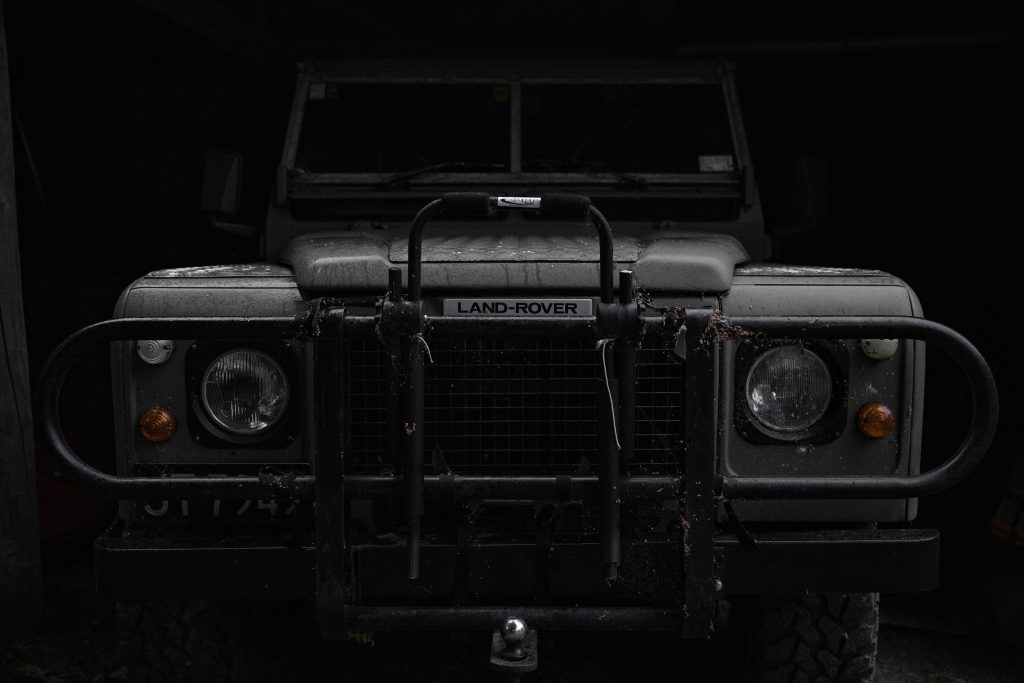
If you have ever wondered what owning a Land Rover Defender actually costs in terms of ongoing maintenance, I have good news and bad news. The good news is that these vehicles are, for the most part, mechanically straightforward and designed to be serviced in a muddy field by someone with a basic toolkit. The bad news is that they need servicing with a frequency that borders on the obsessive, and if you ignore them, they will punish you with the kind of repair bills that make your eyes water.
Land Rover Defender maintenance is not optional. It is not something you can put off until next month. These are vehicles that need regular attention, and the difference between a well-maintained Defender and a neglected one is the difference between a reliable workhorse and an expensive lawn ornament. I know this because I have owned both. The neglected one cost me significantly more in the long run.
In this guide, I am going to walk you through the complete maintenance schedule for every engine type, break down the costs (both DIY and professional), and share the preventative measures that will save you serious money over time. Whether you are a new owner wondering what you have gotten yourself into or a veteran just checking your schedule, this is the comprehensive reference you need.
The Basic Service Schedule: What Every Defender Needs
Regardless of engine type, every Defender shares certain maintenance requirements. These are the non-negotiables, the absolute minimum you need to do to keep your vehicle on the road.
Every 6,000 Miles or 6 Months (Whichever Comes First)
This is your interim service. Think of it as the Defender equivalent of brushing your teeth. Skip it and things start to decay.
- Engine oil and filter change: This is the single most important maintenance item. Defenders do not tolerate old oil. The engines run hot, the oil gets contaminated, and if you leave it too long, you are looking at accelerated wear on every moving component.
- Check all fluid levels: Coolant, brake fluid, power steering fluid (where fitted), gearbox oil, transfer box oil, differential oil, windscreen washer.
- Inspect brake pads and discs: Defenders eat brake pads. The combination of weight, agricultural braking systems, and enthusiastic off-road use means you should check them frequently.
- Grease all nipples: Classic Defenders have grease nipples on the propshafts, steering components, and various chassis points. These need regular greasing. This is not something modern car owners are used to, but if you skip it, you will be buying expensive replacement components.
- Inspect tyres: Check pressures, tread depth, and condition. Look for cuts, bulges, and uneven wear. Defenders are hard on tyres, especially if used off-road.
- Check battery condition and terminals: Clean any corrosion and ensure tight connections.
Every 12,000 Miles or 12 Months (Full Service)
This is the annual service. Everything from the interim service plus:
- Air filter replacement: A dirty air filter restricts airflow and reduces performance and economy. If you use your Defender off-road or on dusty tracks, replace it more frequently.
- Fuel filter replacement: Essential for diesel engines. Contaminated fuel is the number one cause of injector problems, and a blocked fuel filter can leave you stranded.
- Inspect and adjust valve clearances: On Tdi engines, this is a manual job. The Td5 has hydraulic tappets that self-adjust. The Puma engine also has hydraulic adjustment.
- Inspect timing belt condition: On the 200Tdi, this is particularly important. A snapped timing belt will destroy the engine.
- Check and adjust handbrake: Defender handbrakes are notoriously feeble. They need regular adjustment to maintain any semblance of holding the vehicle on a hill.
- Inspect exhaust system: Look for leaks, corrosion, and loose mountings. The Defender exhaust runs close to the chassis and is vulnerable to off-road damage.
- Inspect suspension and steering components: Check for worn bushes, leaking dampers, loose bolts, and wear in the steering relay and drag links.
Every 36,000 Miles or 3 Years
The big service. This is where the costs start to add up.
- Replace coolant: Flush the system and refill with fresh coolant at the correct concentration.
- Replace brake fluid: Brake fluid absorbs moisture over time, which reduces its boiling point and effectiveness. Replace every two years or 36,000 miles.
- Gearbox oil change: Both the main gearbox and transfer box need their oil changed. Use the correct specification oil; the wrong type can cause gear selection problems.
- Differential oil change: Both front and rear differentials. Again, use the correct specification.
- Replace power steering fluid: Where fitted, flush and replace.
- Inspect and replace spark plugs: On petrol V8 models only.
Engine-Specific Maintenance Schedules
Now let us get into the detail for each engine type. The engines are the heart of any reliability discussion, and maintaining them properly is the single most important thing you can do.
200Tdi Maintenance Schedule
The 200Tdi is the simplest engine to maintain. It is mechanically injected with no electronics, which means everything can be done with hand tools and a workshop manual.
Critical Items:
Timing belt replacement: Every 60,000 miles or 5 years, whichever comes first. This is non-negotiable. The 200Tdi is an interference engine, and a snapped belt will bend valves and potentially crack pistons. Parts cost: 30 to 60 pounds for a quality belt and tensioner kit. Labour: 2 to 3 hours. Total DIY: 30 to 60 pounds. Total specialist: 200 to 350 pounds.
Injector pump servicing: The Bosch VE injection pump on the 200Tdi is generally reliable, but it can wear over time, causing poor starting, smoke, and power loss. A professional rebuild costs 400 to 800 pounds. Replacement pumps are 600 to 1,200 pounds.
Head gasket: The 200Tdi head gasket is a known weak point. Watch for coolant loss, white smoke, and oil/coolant mixing. Replacement with a quality gasket (Turner Engineering or genuine): 150 to 250 pounds for parts, 300 to 500 pounds for labour.
Annual Service Cost (200Tdi):
- DIY: 80 to 150 pounds (oil, filters, grease, consumables)
- Independent specialist: 250 to 400 pounds
- Land Rover dealer: Not really applicable (most dealers will not service a vehicle this old)
300Tdi Maintenance Schedule
Very similar to the 200Tdi, with a few differences.
Critical Items:
Timing belt replacement: Same interval as the 200Tdi: 60,000 miles or 5 years. The 300Tdi uses a different belt routing with a serpentine auxiliary belt, which is simpler than the 200Tdi’s multiple V-belts. Parts cost: 40 to 70 pounds. Labour: 2 to 3 hours. Total DIY: 40 to 70 pounds. Total specialist: 200 to 400 pounds.
Cylinder liner erosion: The 300Tdi is known for cylinder liner pitting caused by coolant cavitation. Using the correct coolant (OAT-type, not the old blue stuff) and changing it at the correct intervals is essential to prevent this. If liner erosion occurs, it is typically an engine-out repair costing 1,500 to 3,000 pounds.
Crankshaft rear oil seal: A common leak point. Replacement requires gearbox removal. Parts: 15 to 30 pounds. Labour: 4 to 6 hours. Total specialist: 350 to 600 pounds.
Modified flywheel inspection: Later 300Tdi models had a modified flywheel that can develop cracks. Inspect at every clutch change. A cracked flywheel is a safety hazard.
Annual Service Cost (300Tdi):
- DIY: 80 to 160 pounds
- Independent specialist: 250 to 450 pounds
Td5 Maintenance Schedule
The Td5 introduces electronic complexity but the basic service schedule remains similar. The common problems guide covers the Td5-specific issues in detail.
Critical Items:
Fuel pressure regulator (“sump plug of death”): Check the sump oil level regularly. If the oil level rises without you adding oil, the fuel pressure regulator is leaking diesel into the sump. This dilutes the oil and can cause catastrophic engine damage. Preventative fix: replace the regulator with an uprated unit (50 to 80 pounds for the part, 1 to 2 hours labour) or fit an external regulator.
Injector harness: The Td5 injector harness sits in the rocker cover and is exposed to heat and oil. It degrades over time, causing misfires, rough running, and poor starting. Replacement harness: 60 to 120 pounds. Labour: 1 to 2 hours.
Cylinder head cracks: Some Td5 engines develop head cracks, particularly early examples. This is an expensive repair (1,000 to 2,000 pounds) and one of the common problems associated with the engine.
Oil cooler pipe failure: The oil cooler pipes on the Td5 are known to corrode and leak. Replacement with braided stainless steel lines is a worthwhile preventative upgrade (50 to 100 pounds for parts).
The Td5 does not have a timing belt. It uses a timing chain, which is a maintenance-free item under normal circumstances. This is one of the Td5’s advantages over the Tdi engines.
Annual Service Cost (Td5):
- DIY: 100 to 180 pounds
- Independent specialist: 300 to 500 pounds
Puma TDCi (2.4/2.2) Maintenance Schedule
The Puma engine brings modern diesel servicing requirements, including DPF and EGR considerations.
Critical Items:
Timing belt replacement: The 2.4 TDCi has a timing belt that must be replaced every 90,000 miles or 6 years. The 2.2 TDCi also uses a timing belt with similar intervals. This is an expensive job due to the complexity of the front-end layout. Parts: 100 to 200 pounds for a complete kit. Labour: 4 to 6 hours. Total specialist: 500 to 800 pounds.
DPF maintenance: The diesel particulate filter needs regular regeneration cycles to burn off accumulated soot. If the vehicle is used primarily for short journeys, the DPF cannot regenerate properly and will become blocked. A blocked DPF can cost 800 to 2,000 pounds to replace. Prevention: drive the vehicle on the motorway for at least 30 minutes every few weeks to allow regeneration. If you are concerned about fuel economy, know that DPF regeneration cycles increase fuel consumption temporarily.
EGR valve: The exhaust gas recirculation valve on the Puma engine is prone to carbon buildup and failure. Symptoms include poor performance, increased smoke, and engine management warnings. Cleaning or replacement costs 200 to 500 pounds.
Dual mass flywheel: The Puma Defender uses a dual mass flywheel that can fail, particularly in vehicles used for towing. Replacement, including a new clutch, costs 800 to 1,500 pounds.
Annual Service Cost (Puma TDCi):
- DIY: 120 to 200 pounds
- Independent specialist: 350 to 550 pounds
- Land Rover dealer: 500 to 800 pounds
New Defender (2020+) Maintenance Schedule
The new Defender is a completely different proposition. It uses modern Ingenium engines with electronic everything, and the servicing requirements reflect this.
Service Intervals: Land Rover specifies 26,000 miles or 2 years for the new Defender, which is significantly longer than any classic Defender. However, many owners and independent specialists recommend an interim oil change at 12 months or 13,000 miles, particularly for vehicles used in demanding conditions.
Critical Items:
- Brake fluid replacement: Every 2 years regardless of mileage.
- Air suspension compressor: The air suspension system requires no routine maintenance but the compressor can fail, typically costing 800 to 1,500 pounds to replace.
- Software updates: The new Defender receives over-the-air software updates. Ensure these are applied, as they can address reliability issues and improve performance.
- AdBlue refill: Diesel new Defenders require regular AdBlue top-ups. The tank holds approximately 16 litres and consumption varies, but expect to top up every 6,000 to 8,000 miles. AdBlue costs 10 to 15 pounds for 10 litres.
Annual Service Cost (New Defender):
- DIY: Limited due to electronic complexity. Oil and filter change: 80 to 120 pounds for materials.
- Independent specialist: 300 to 600 pounds
- Land Rover dealer: 500 to 900 pounds (with service plans available around 30 to 40 pounds per month)
Annual Maintenance Budget: What You Should Set Aside
Here is the honest truth about running a Defender. You need a maintenance budget, and it needs to be realistic. I have seen too many people buy a Defender, spend everything they have on the purchase, and then complain that they cannot afford to maintain it. That is like buying a horse and being surprised it needs feeding.
Classic Defender (Tdi and Td5) Annual Budget
Set aside 1,000 to 2,000 pounds per year for a classic Defender in regular use. This covers:
- Routine servicing: 300 to 500 pounds
- Tyres (averaged annually): 200 to 400 pounds (a set of BF Goodrich All-Terrain KO2s in 235/85R16 costs 600 to 800 pounds for four)
- Brake consumables: 100 to 200 pounds
- Miscellaneous repairs and parts: 300 to 600 pounds
- MOT and any remedial work: 100 to 300 pounds
If your Defender needs a timing belt, clutch, or other major service item in a given year, add 500 to 1,500 pounds to that budget.
Puma Defender Annual Budget
Budget 1,500 to 2,500 pounds per year. The Puma’s modern diesel systems add cost, and parts are generally more expensive than Tdi equivalents.
New Defender Annual Budget
Budget 1,500 to 3,000 pounds per year outside of warranty. The service intervals are longer, but when things go wrong, the bills are large. Extended warranties and service plans from Land Rover can reduce the unpredictability of these costs.
The Complete Consumables List
Every Defender owner should keep a stock of consumables. Here is what you need and what it costs:
Fluids
| Item | Classic Defender | New Defender |
|---|---|---|
| Engine oil (per service) | 20 to 35 pounds (7-8 litres, 10W-40 or 5W-30) | 40 to 60 pounds (6-7 litres, 0W-20 or 5W-30 depending on engine) |
| Oil filter | 5 to 12 pounds | 12 to 20 pounds |
| Coolant (concentrated, per fill) | 15 to 25 pounds | 20 to 35 pounds |
| Brake fluid (per flush) | 10 to 15 pounds | 10 to 15 pounds |
| Gearbox oil | 15 to 25 pounds | 20 to 35 pounds |
| Transfer box oil | 10 to 20 pounds | 15 to 25 pounds |
| Differential oil (per axle) | 10 to 15 pounds | 15 to 25 pounds |
| Power steering fluid | 8 to 12 pounds | N/A (electric power steering) |
Filters
| Item | Classic Defender | New Defender |
|---|---|---|
| Air filter | 8 to 20 pounds | 25 to 45 pounds |
| Fuel filter | 8 to 15 pounds | 20 to 40 pounds |
| Pollen filter | N/A (not fitted) | 15 to 25 pounds |
Brake Components
| Item | Classic Defender | New Defender |
|---|---|---|
| Front brake pads | 15 to 40 pounds | 40 to 80 pounds |
| Rear brake pads/shoes | 15 to 35 pounds | 35 to 70 pounds |
| Front brake discs (pair) | 30 to 60 pounds | 80 to 150 pounds |
| Rear brake discs (pair) | 25 to 50 pounds | 70 to 130 pounds |
Parts suppliers for classic Defenders include Paddocks, Britpart, and Bearmach. Each has their own strengths: Paddocks tends to stock more genuine and premium aftermarket parts, Britpart is budget-friendly (though quality can be variable), and Bearmach offers a good middle ground.
For new Defenders, genuine Land Rover parts are available from Land Rover’s parts catalogue, though independent specialists are increasingly stocking aftermarket alternatives.
DIY vs Specialist vs Dealer: What Is Worth Doing Yourself?
One of the great things about classic Defenders is that they are genuinely home-mechanic-friendly. If you can change the oil on a lawnmower, you can service a 200Tdi. Here is my assessment of what you should tackle yourself and what you should leave to professionals.
Easy DIY Jobs (No Experience Needed)
- Oil and filter change
- Air filter replacement
- Fuel filter replacement
- Brake pad replacement (with a basic socket set and a jack)
- Greasing propshafts and steering
- Battery maintenance
- Bulb replacement
- Washer fluid top-up (I know, but some people forget)
Moderate DIY Jobs (Some Experience Required)
- Timing belt replacement (200Tdi and 300Tdi; the Puma is more complex)
- Brake disc replacement
- Clutch master and slave cylinder replacement
- Suspension bush replacement
- Thermostat replacement
- Water pump replacement
- Injector harness replacement (Td5)
Leave to Professionals
- Clutch replacement (requires gearbox removal; possible at home but extremely heavy and awkward)
- Cylinder head work
- Injector pump rebuilding
- Timing belt on Puma engines
- Anything on the new Defender involving the electronic systems
- Chassis welding or replacement
- Any work you are not comfortable doing safely
The cost difference between DIY and professional servicing is substantial. A basic annual service that costs 80 to 150 pounds in materials will cost 300 to 500 pounds at a specialist and 500 to 800 pounds at a dealer. Over five years of ownership, DIY servicing can save you 2,000 to 4,000 pounds.
If you are buying a Defender and want to factor maintenance into your budget, the buying guide discusses ongoing costs as part of the ownership equation.
Preventative Maintenance That Saves Money
This is the section where I potentially save you thousands of pounds. These are the jobs that cost relatively little to do proactively but become extremely expensive if ignored.
Rust Prevention
Classic Defenders rust. They rust structurally, they rust cosmetically, and they rust in places you cannot see until something falls off. The chassis is the most critical area. Regular inspection, cleaning, and treatment with a product like Waxoyl, Dinitrol, or Bilt Hamber Dynax can add years to a chassis life.
A new galvanised chassis costs 1,500 to 2,500 pounds plus 1,000 to 2,000 pounds for fitting. Preventing chassis rot through annual treatment costs 30 to 50 pounds per year. The mathematics speaks for itself.
Key areas to treat and monitor:
- Chassis rails and crossmembers
- Bulkhead (particularly the footwells and lower sections)
- Door bottoms
- Rear crossmember
- Spring hangers
- Outriggers
Greasing Schedule
Classic Defenders have up to 30 grease nipples that need regular attention. A grease gun and a tub of lithium grease costs about 20 pounds. Replacing the components that seize up because you did not grease them costs hundreds or thousands.
Key greasing points:
- Front and rear propshaft universal joints (4 nipples each)
- Propshaft sliding joints
- Steering relay
- Swivel housings (where applicable)
- Handbrake cable pivots
Coolant System Maintenance
Coolant is not just anti-freeze. Modern OAT (Organic Acid Technology) coolant contains corrosion inhibitors that protect the engine’s internal surfaces. Using the correct coolant and changing it at the specified intervals prevents the cylinder liner erosion that plagues 300Tdi engines and the internal corrosion that affects all engines.
The cost of correct coolant and regular changes: 15 to 25 pounds per year. The cost of a cylinder liner failure: 1,500 to 3,000 pounds.
Timing Belt Replacement
I have mentioned this already, but it bears repeating because the consequences of failure are so severe. A timing belt costs 30 to 70 pounds. An engine rebuild after timing belt failure costs 2,000 to 5,000 pounds. Replace it on schedule, every time, without exception. Set a calendar reminder if you have to.
Fuel System Cleanliness
Use a quality fuel filter and replace it at every service. On Tdi engines, drain the sediment trap regularly. On Td5 engines, be aware of the fuel pressure regulator issue and either replace it preventatively or monitor the oil level for signs of fuel contamination.
Dirty fuel causes injector wear, pump damage, and poor running. A fuel filter costs 8 to 15 pounds. A set of replacement injectors costs 300 to 600 pounds. An injection pump rebuild costs 400 to 800 pounds.
Common Maintenance Mistakes to Avoid
Over the years, I have seen Defender owners make the same mistakes repeatedly. Here are the big ones:
Using cheap oil: The difference between quality oil and cheap oil is a few pounds per service. The difference in engine longevity is thousands of miles. Use a reputable brand (Castrol, Mobil, Fuchs) in the correct specification.
Ignoring small leaks: Defenders leak. It is part of their character. But there is a difference between a minor seep (cosmetically annoying but harmless) and a genuine leak (potentially dangerous and certainly damaging). Do not ignore leaks; diagnose them and fix the ones that matter.
Overtightening bolts: Defenders use a lot of aluminium components (rocker covers, timing covers, thermostat housings). Aluminium strips easily if overtightened. Use a torque wrench and follow the specifications.
Using incorrect coolant: Mixing different types of coolant (OAT and silicate-based) can cause gelation, which blocks the cooling system and leads to overheating. Use one type consistently and flush the system when changing types.
Neglecting the transfer box and differentials: These are “fit and forget” components right up until the moment they are not. The oil in these units does degrade, particularly if the vehicle is used for wading or heavy off-road work where water can ingress past the seals. Change the oil at the specified intervals and check the oil level regularly.
Fitting pattern parts without checking quality: Budget pattern parts (particularly from certain suppliers I will diplomatically not name) can be significantly worse quality than genuine or premium aftermarket parts. A cheap water pump that fails after 6 months is no bargain. Buy quality parts from reputable suppliers.
Keeping Records
Maintain a detailed service history. Every oil change, every filter, every grease job, every replacement part. This serves two purposes: it ensures nothing gets missed, and it adds significant value to the vehicle when you come to sell it. A Defender with a comprehensive service history is worth considerably more than one without.
Keep receipts for parts and labour. Take photos of work done. Note mileage and dates. It takes five minutes after each service and it will pay dividends.
A well-maintained Defender is a reliable Defender. A reliable Defender is one you actually enjoy owning. And an enjoyable Defender is one you keep for years, which is exactly what these vehicles were designed for. They were built to last, but only if you give them the attention they need. The maintenance schedule is not a suggestion; it is a contract between you and your vehicle. Honour it, and your Defender will repay you with decades of loyal, if occasionally temperamental, service.