Buying Guide
Where to Buy a Land Rover Defender: Best Dealers and Marketplaces
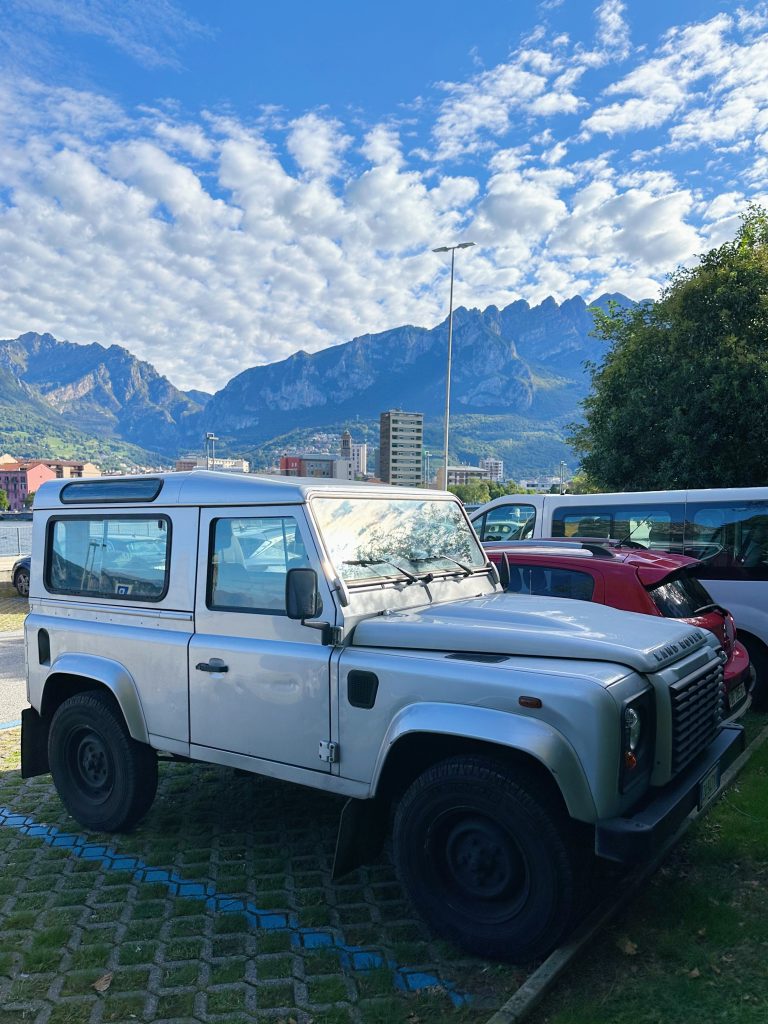
Finding the right Land Rover Defender is one thing. Finding a trustworthy place to buy one is another thing entirely. And honestly, the second part is more important than the first, because a beautiful Defender from a dodgy seller is just a beautiful set of expensive problems waiting to happen.
I have bought Defenders from specialist dealers, private sellers, online marketplaces, and at auction. I have had wonderful experiences and I have had experiences that made me want to set things on fire. The market for these vehicles is awash with honest enthusiasts and knowledgeable dealers, but it is also infested with chancers, optimists who think their rot box is worth 40,000 pounds, and outright scammers who will take your deposit and disappear faster than a 200Tdi’s head gasket.
So if you are wondering where to buy a Land Rover Defender, this is the guide that will point you in the right direction, warn you about the wrong direction, and potentially save you from the kind of purchasing disaster that ruins your year.
Before we get into the specifics, I strongly recommend reading the Defender buying guide first. It covers what to look for in terms of condition, specifications, and red flags. This article is specifically about where to find Defenders and who to trust.
Specialist Defender Dealers: The Gold Standard
If you want the safest, most reliable buying experience, a specialist dealer is the way to go. These are businesses that focus exclusively or primarily on Land Rover Defenders. They know these vehicles inside and out, they typically offer warranties, and their reputation depends on selling quality vehicles.
The downside? They charge a premium. You will pay more at a specialist dealer than you would for an equivalent vehicle from a private seller. But you are paying for peace of mind, quality assurance, and recourse if something goes wrong. Whether that premium is worth it depends on your budget and your confidence in assessing a vehicle yourself.
UK Specialist Dealers
Arkonik (Somerset, UK) – arkonik.com
Arkonik is probably the most well-known Defender specialist in the world. They do not sell standard Defenders; they sell fully restored and reimagined Defenders that are essentially new vehicles built on classic platforms. LS V8 engines, bespoke interiors, every nut and bolt replaced or refurbished. The quality is extraordinary, and the prices reflect it. Expect to pay 150,000 to 300,000+ pounds for an Arkonik Defender. This is the Rolls-Royce end of the market, and if you have the budget, you will get something spectacular.
Twisted Automotive (Thirsk, North Yorkshire) – twisted-automotive.co.uk
Twisted has been modifying and selling Defenders since 2001. They offer everything from lightly enhanced standard vehicles to fully built performance Defenders. Their V8 conversions are particularly well regarded. Prices range from 50,000 to 200,000+ pounds depending on specification. They also work on new Defenders.
ECD Auto Design (Kissimmee, Florida, but ships worldwide) – ecdautodesign.com
Originally a UK company, ECD relocated to the US and builds some of the most luxurious Defender restorations in the world. Tesla electric powertrains, bespoke interiors, air conditioning that actually works. Their builds start around 200,000 dollars and go up from there. If the idea of a silent, electric classic Defender appeals to you, ECD is leading the charge.
Himalaya 4×4 (various US locations) – himalaya4x4.com
Himalaya builds rugged, adventure-focused Defenders with serious off-road capability. LS V8 engines, Portal axles, expedition-ready builds. These are vehicles designed to look like they have crossed continents, even if they end up doing the school run. Prices start around 200,000 dollars.
Used Land Rovers (Swindon, UK)
A long-established UK dealer specialising in pre-owned Defenders across all eras. They offer a more accessible entry point than the bespoke builders, with standard and lightly modified Defenders at market-rate prices. Good for buyers who want a quality used Defender without the six-figure price tag.
Jake Wright Ltd (Richmond, North Yorkshire) – jakewrightltd.co.uk
Jake Wright is one of the UK’s most respected independent Land Rover specialists. They sell used Defenders and also offer restoration services. Their reputation for honesty and quality is excellent, and they are a good option for buyers in the north of England.
Keswick Green (Bath, UK)
Specialists in restored and upgraded classic Defenders, with a focus on tasteful modifications and high-quality restoration work. Their vehicles sit in the 40,000 to 100,000 pound range and represent good value for professionally restored Defenders.
What to Expect From a Specialist Dealer
A good specialist dealer will provide:
- A thorough pre-sale inspection report
- A warranty (typically 3 to 12 months depending on the dealer and vehicle)
- Full service history or a detailed account of work done
- Transparent pricing with no hidden fees
- Willingness to let you arrange an independent inspection
- After-sale support and advice
If a “specialist” dealer cannot or will not provide these things, they are not a specialist dealer. They are just someone who happens to sell Defenders.
Online Marketplaces: The Widest Selection
Online marketplaces give you access to the largest number of Defenders for sale at any given time. The selection is enormous, but so is the variation in quality and honesty. You need to have your wits about you.
Bring a Trailer (bringatrailer.com)
Bring a Trailer is an auction-style marketplace that has become one of the most popular platforms for buying and selling enthusiast vehicles, including Defenders. The site vets listings and provides a commenting system where knowledgeable community members can ask questions, identify problems, and provide market context.
Pros: Well-curated listings with good photography, active community that helps identify issues, transparent bidding history, no hidden reserve (most listings).
Cons: Auction format means you can get caught up in bidding wars, buyer’s premium applies, predominantly US-focused (though international buyers can participate), and the hype around certain vehicles can push prices above market value.
Bring a Trailer is excellent for buying Defenders if you are patient and disciplined. Watch several auctions before bidding to get a feel for the market. And read the comments section thoroughly; the community is remarkably good at spotting problems in listing photos.
Car & Classic (carandclassic.com)
Car & Classic is a UK and European marketplace that has both classified and auction listings. It is one of the best platforms for finding classic Defenders in the UK, with a good range from project vehicles to fully restored examples.
Pros: Large UK-focused inventory, both auction and classified formats, good search filters, established platform with decent seller verification.
Cons: Quality of listings varies widely, private sellers may overstate condition, less community oversight than Bring a Trailer.
eBay Motors
eBay remains one of the largest marketplaces for Defenders worldwide. You can find everything from 500 pound project shells to 100,000 pound restored examples.
Pros: Massive selection, buyer protection policies, ability to search globally, both auction and buy-it-now formats.
Cons: Wide variation in listing quality and seller honesty, scams are more common than on specialist platforms, difficult to verify vehicle condition remotely, and the eBay buyer protection process can be frustrating for high-value vehicles.
If buying on eBay, always insist on viewing the vehicle in person before completing the purchase. Never send a deposit or full payment based solely on photos and a description. If the seller will not let you view the vehicle, walk away.
AutoTrader and PistonHeads
Both AutoTrader and PistonHeads list Defenders from both dealers and private sellers. AutoTrader has the larger overall inventory, while PistonHeads tends to attract more enthusiast-focused listings.
Pros: Large UK inventory, good search functionality, dealer ratings and reviews, vehicle history check integration.
Cons: Generic platforms not specifically geared to classic vehicles, dealer listings may include a margin that private sales do not, less community oversight.
Facebook Marketplace and Groups
Facebook has become a surprisingly important marketplace for Defenders. There are dedicated buy/sell groups for specific models, eras, and regions. The Land Rover Defender Owners and Enthusiasts groups often have vehicles listed before they appear on mainstream platforms.
Pros: Direct communication with sellers, community knowledge about specific vehicles (someone in the group may know the vehicle’s history), no listing fees for sellers, and vehicles often sell at realistic prices.
Cons: No buyer protection, scam risk is high, difficult to search systematically, and you need to be a member of the right groups. Quality of listings and photos is often poor.
Auction Houses: The Thrill and the Risk
Buying a Defender at auction can be exhilarating or devastating, sometimes both in the same afternoon. Auctions offer the potential for bargains, but they also carry significant risks.
Classic Car Auctions
Companies like Bonhams, Silverstone Auctions, and Historics regularly feature Defenders in their classic car sales. These tend to be higher-quality vehicles: restored examples, special editions, and low-mileage survivors. The auction houses provide catalogue descriptions and often condition reports, but these are not the same as a full independent inspection.
Pros: Access to rare and special-edition Defenders, professional presentation, legal protections under auction house terms, and the atmosphere is electric.
Cons: Buyer’s premium (typically 12 to 15 percent plus VAT, which adds significantly to the hammer price), limited viewing time before the sale, competitive bidding can push prices above market value, and the emotion of an auction room can lead to irrational decisions.
General Vehicle Auctions
Companies like BCA (British Car Auctions) and Manheim run regular vehicle auctions that occasionally include Defenders. These tend to be trade-disposal vehicles, ex-fleet, or part-exchanges. The prices can be lower than private sales, but the vehicles are often sold “as seen” with limited or no warranty.
Pros: Potentially lower prices, large volume of vehicles, regular sales.
Cons: Very limited inspection time, “as seen” terms mean no comeback if problems emerge, competitive environment, buyer’s premium applies, and the Defenders at general auctions are often the ones that dealers did not want to retail.
My advice: unless you are very experienced at assessing Defenders quickly and accurately, stick to specialist dealers or private sales where you can take your time. Auctions are for people who know exactly what they are looking at and are prepared to take calculated risks.
Buying Privately: The Best Value
Private sales typically offer the best value because you are not paying a dealer’s margin or an auction house’s premium. But the absence of intermediaries means you are entirely responsible for assessing the vehicle, negotiating the price, and protecting yourself from fraud.
Where to Find Private Sales
- Facebook groups and marketplace
- Local classified ads (Gumtree, etc.)
- Land Rover forum classifieds (LR4x4, DefenderForum)
- Word of mouth through the Land Rover community
- Notices in Land Rover specialist workshops
What to Look for in a Private Sale
Verify ownership: Check the V5C (logbook) matches the seller’s name and address. If the seller is not the registered keeper, ask why. There may be a legitimate reason (selling on behalf of a family member, for example), but it could also be a sign that the vehicle is stolen or has finance outstanding.
Check for outstanding finance: Use a vehicle history check service (HPI, AutoCheck, or similar) to verify there is no outstanding finance, the vehicle has not been written off, and the mileage is consistent with previous MOT records. This costs about 10 to 20 pounds and is the best value check you will ever buy.
Get a pre-purchase inspection: If you are not confident assessing a Defender yourself, pay for an independent inspection. The AA, RAC, and various independent engineers offer this service, typically costing 150 to 300 pounds. Given the amount of money at stake and the number of problems that can be hiding in a Defender, this is cheap insurance. The common problems guide tells you what to look for, but a professional pair of eyes is invaluable.
View in daylight and ideally dry conditions: Rain hides rust, bodywork imperfections, and paint quality issues. View the vehicle in daylight, ideally on a dry day, and take a torch to inspect underneath.
Drive it: This sounds obvious, but some buyers get so excited about finding their dream Defender that they forget to actually drive it. Listen for unusual noises, feel for vibrations, check that all gears engage cleanly, test the brakes, and drive it at motorway speeds if possible. A Defender that feels fine at 30 mph might shake like a washing machine at 60.
Importing a Defender from Abroad
The Defender’s global presence means there are vehicles available worldwide, and importing one can sometimes get you a better specification or condition than what is available domestically. But importing adds complexity and cost.
Importing to the UK
Importing a Defender to the UK involves:
- Shipping costs: 1,500 to 4,000 pounds depending on origin and shipping method (container vs roll-on/roll-off).
- Import duty: 6.5 percent of the vehicle’s value (may vary post-Brexit depending on origin country).
- VAT: 20 percent of the vehicle’s value plus duty.
- IVA test: Required for some imported vehicles, particularly those that have been modified. Costs approximately 400 to 600 pounds.
- DVLA registration: Administrative process with associated fees.
The total import costs can add 30 to 40 percent to the purchase price, which needs to be factored into any “bargain” you think you have found abroad.
Importing to the US
US importation of classic Defenders is governed by the 25-year rule, which means vehicles must be at least 25 years old to be imported without meeting current US safety and emissions standards. This is why 1997 and earlier Defenders are the most commonly imported models in the US.
The process involves:
- Shipping costs: 2,000 to 5,000 dollars depending on origin.
- US customs duty: 2.5 percent of the declared value.
- EPA and DOT compliance: Vehicles over 25 years old are generally exempt.
- State registration: Requirements vary by state. Some states (like California) have stricter emissions requirements.
Several US-based importers specialise in bringing Defenders from the UK, South Africa, Australia, and other markets. Companies like Defenders Northwest and various brokers can handle the entire process.
Best Countries to Source Defenders
South Africa and Australia: These markets have large Defender populations, and the dry climates mean vehicles tend to be less rusty than UK examples. However, they often have higher mileage and may have been used harder in agricultural or mining applications.
Europe (Spain, Portugal, Italy): Drier climates than the UK, and left-hand-drive Defenders are available for European buyers. Prices have been rising as the global market has driven up values everywhere.
Japan: A small but interesting market for Defenders, with some unusual specifications. Japanese domestic market vehicles tend to be well-maintained and low-mileage, but they are right-hand-drive and may have been modified for the Japanese market.
Buying a Used Land Rover Defender: What to Expect
The used Land Rover Defender market has changed dramatically over the past decade. What was once a cheap, practical working vehicle has become a sought-after collector’s item, and prices reflect that shift. Understanding the used Defender market is essential before you start shopping.
Used Defender Price Guide by Era
A used Land Rover Defender from the 1990s in running condition starts around £15,000-£20,000, though rough examples still appear for less. Clean, well-maintained 300Tdi or Td5 models with good service history now command £25,000-£40,000, and fully restored examples or low-mileage V8s can exceed £60,000.
The new Defender (2020 onwards) has settled into a more predictable used market. A used Defender 110 D200 with 20,000-30,000 miles typically sells for £45,000-£55,000. The more desirable V8 models hold their value exceptionally well, with used Defender V8 examples rarely dipping below £85,000.
Where to Find Used Defenders
The best platforms for finding a used Land Rover Defender depend on whether you want a classic or new model. For classic Defenders, specialist dealers and Bring a Trailer offer the highest quality with the most transparency. For newer used Defenders, approved Land Rover dealers offer certified pre-owned vehicles with manufacturer warranty extensions. AutoTrader and PistonHeads are your best bet for the widest selection of both.
One important rule when buying any used Defender: never purchase without an independent inspection. The specialist inspection services listed below know exactly where these vehicles hide their problems, and the £200-£300 fee could save you thousands.
Scam Warning Signs: How to Protect Yourself
Defender scams are depressingly common. The high values of these vehicles make them attractive targets for fraudsters, and the emotional desire to own one can cloud buyers’ judgment. Here are the warning signs:
The Price Is Too Good to Be True
If a Defender is listed significantly below market value, ask why. There may be a legitimate reason (urgent sale, undisclosed damage, high mileage), but it could also be a scam. Check current market values on platforms like Car & Classic, Bring a Trailer, and the classified sections of Land Rover forums to understand what vehicles are actually selling for.
The question of why Defenders are so expensive has a simple answer: demand exceeds supply. Anyone offering one significantly below market rate deserves scrutiny.
Deposit Requests Before Viewing
Never pay a deposit to a private seller before viewing the vehicle in person. Legitimate sellers understand this. Scammers will pressure you to secure the vehicle with a deposit before you have seen it, often claiming there are multiple interested buyers. Let them have it. If the vehicle is genuine, you will find another one.
Reluctance to Allow Independent Inspection
If a seller refuses to let you bring a mechanic or arrange an independent inspection, walk away. There is no legitimate reason to refuse this. None. A seller who is proud of their vehicle will welcome an inspection.
Inconsistent Documentation
Check that the V5C details match the vehicle. Check the VIN (Vehicle Identification Number) on the chassis plate against the V5C and any other documentation. Check the engine number. If anything does not match, investigate before proceeding.
On classic Defenders, VIN plates can be moved during restoration or chassis swaps. This does not necessarily mean the vehicle is stolen or fraudulent, but it does require explanation and documentation.
Pressure Tactics
“I have three other people coming to see it today.” “Someone has already offered me more.” “I need to sell it by the weekend.” These are pressure tactics designed to make you rush your decision. A genuine seller will give you reasonable time to make an informed decision. If you feel pressured, step back.
Online-Only Sales With No Viewing
Never buy a Defender (or any vehicle of this value) without viewing it in person. Photos lie. Descriptions are subjective. A vehicle that looks immaculate in carefully angled photos might have a rotten chassis, a smoky engine, and an interior that smells like a wet dog. If the seller is too far away for you to view in person, either travel to see it or send a trusted friend or inspector. Or find a different Defender closer to home.
Pre-Purchase Inspection Checklist
Whether you are buying from a dealer, privately, or at auction, these are the key areas to inspect. Think of this as a condensed version of what a professional inspector would check:
Chassis and Structure
- Inspect the entire chassis for rust, cracks, and previous repairs
- Check spring hangers, outriggers, and crossmembers
- Look for signs of accident damage or poor welding
- On new Defenders, check for underside damage from off-road use
Engine and Drivetrain
- Start the engine from cold and listen for unusual noises
- Check for smoke on startup and under load
- Look for fluid leaks under the vehicle
- Check gearbox and transfer box operation
- Test four-wheel drive and diff lock engagement
- Verify the reliability considerations for the specific engine type
Body and Interior
- Check all panels for rust, filler, and paint quality
- Open and close all doors (Defender doors are notorious for sagging)
- Check the bulkhead for corrosion (a major structural component on classic Defenders)
- Inspect the interior for water ingress signs
- Test all electrical systems
Running Gear
- Check tyre condition and matching sizes
- Test brakes for pulling, vibration, and effectiveness
- Inspect suspension for worn bushes and leaking dampers
- Check steering for play and unusual noises
- Verify the MOT history online at gov.uk for any advisory patterns
The Verdict: Where Should You Actually Buy?
My honest recommendation depends on your experience level and budget:
First-time buyer with a generous budget: Go to a specialist dealer. The premium you pay is insurance against the mistakes you do not yet know you can make. Buy from someone with a reputation to protect and a warranty to back it up.
Experienced buyer or someone with a knowledgeable friend: Buy privately. You will get better value, and your experience (or your friend’s) will protect you from the worst pitfalls. Use the buying guide as your checklist and get a professional inspection.
Looking for something specific or rare: Monitor the online marketplaces, particularly Bring a Trailer and Car & Classic. Set up alerts for the specification you want and be patient. The right vehicle will appear eventually.
On a tight budget: Be extremely careful. Budget Defenders are budget for a reason, and the reasons are usually expensive to fix. The cheapest Defender to buy is rarely the cheapest Defender to own. Stretch your budget if you can, and prioritise mechanical condition over cosmetics. A scruffy Defender with a solid chassis and a healthy engine is a far better buy than a pretty one with structural rot and an engine that sounds like a bag of spanners.
Whatever route you choose, take your time. The Defender market is not going to collapse overnight. There will always be another one for sale. The worst purchases are always the ones made in haste, driven by emotion rather than evidence. Be patient, be thorough, be willing to walk away, and you will find the right Defender at the right price from the right seller.
And when you do, read up on the best modifications to make it yours. Because nobody leaves a Defender standard. That is half the fun.