Comparisons
Land Rover Defender 90 vs 110: Which Size Is Right for You?
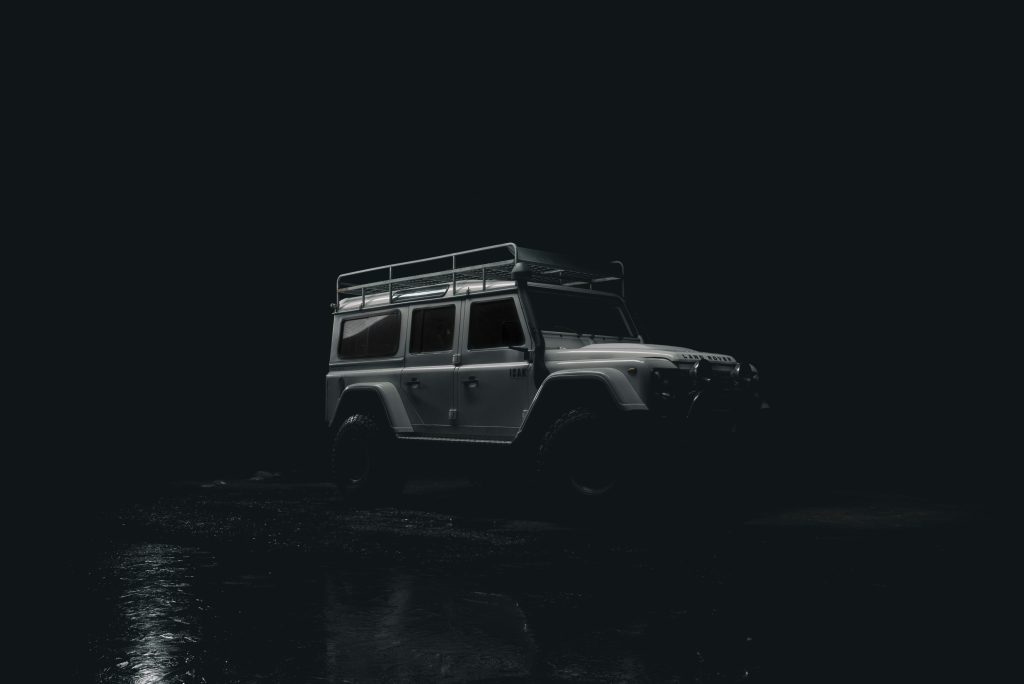
Defender 90 vs 110 — choosing a Land Rover Defender is the easy part. Choosing which Defender is where things get complicated.
The modern Defender comes in two core body styles: the short-wheelbase 90 and the longer 110. Both share the same DNA, the same engines, and the same go-anywhere attitude. But they are fundamentally different vehicles to live with, and picking the wrong one could leave you either cramped and frustrated or driving more car than you actually need.
Here is everything you need to know to make the right choice.
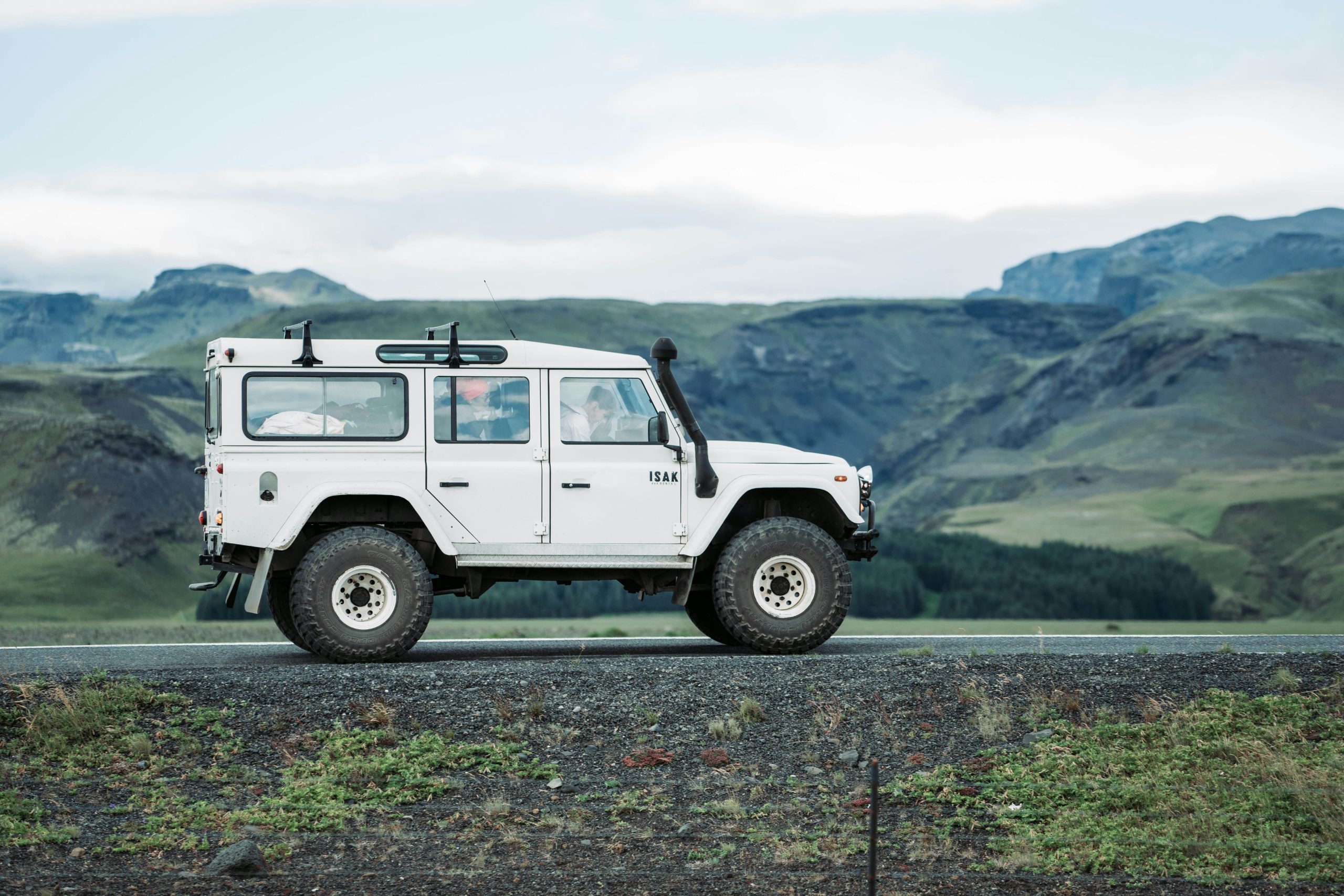
The Numbers: Size and Dimensions
Let’s start with the raw measurements, because size is the defining difference between these two vehicles.
The Defender 90 sits on a wheelbase of 101.9 inches (2,587 mm). Overall length is 180.4 inches (4,583 mm) — roughly the same as a BMW 3 Series. It is a genuinely compact SUV by modern standards, and that compactness is one of its greatest strengths.
The Defender 110 stretches the wheelbase to 119 inches (3,022 mm) and the overall length to 197.5 inches (5,018 mm). That extra 17 inches is the core of the Defender 90 vs 110 size difference — in interior space, in how the vehicle drives, and in where you can park it.
Width and height are essentially identical between the two. Both stand about 78 inches wide and roughly 77 inches tall, depending on specification.
Off-Road: Where the 90 Shines
The Defender 90’s shorter wheelbase gives it a significant advantage on technical off-road terrain. A shorter vehicle can crest ridges and cross gullies without grounding out in the middle — a geometry problem known as breakover angle. The 90’s breakover angle of 31.0 degrees beats the 110’s 28.0 degrees, and on a rocky mountain track, those three degrees matter more than you might think.
The 90 is also easier to place on narrow trails. When you are threading between trees or navigating a tight switchback on a forest track, having nearly 18 inches less vehicle behind you makes a genuine difference. The turning circle is tighter too — 38.1 feet for the 90 versus 39.4 feet for the 110.
That said, the 110 is no off-road slouch. It shares the same suspension travel, the same Terrain Response 2 system, the same wading depth of 900mm, and the same available air suspension. The longer wheelbase actually provides better stability on fast gravel roads and steep descents, because the weight is distributed over a longer platform.
In the Defender 90 vs 110 off-road debate, if your off-roading involves tight, technical trails — the kind where you are constantly manoeuvring around obstacles — the 90 is the better tool. If your adventures are more about crossing continents on unpaved roads, the 110’s stability and comfort advantage starts to outweigh the 90’s agility.
On-Road Comfort: The 110 Takes It
When comparing the Defender 90 vs 110 on the road, the longer wheelbase of the 110 translates directly into a smoother ride on tarmac. More distance between the axles means the vehicle bridges over bumps and potholes more gracefully. On a motorway, the 110 feels planted, composed, and surprisingly refined for something that looks like it should be climbing mountains.
The 90 is perfectly adequate on the road — it is not uncomfortable by any means — but you do feel more of the road surface. Short-wheelbase vehicles are inherently more responsive to bumps and undulations, and the 90’s ride can feel busier on rough British B-roads.
Wind noise and road noise are similar between the two at motorway speeds. The difference is really about how the suspension deals with the surface beneath you, and the 110 simply has physics on its side here.
Interior Space: A Different World
This is where the Defender 90 vs 110 comparison diverges most dramatically.

The Defender 90 has a rear bench that technically seats three adults, but “technically” is doing heavy lifting in that sentence. Two adults sit comfortably. Three is possible for short journeys but not something anyone would choose for a four-hour motorway run. The 90 is fundamentally a four-seater with occasional space for a fifth.
The boot space in the 90 is 297 litres with the rear seats up. That is small — significantly smaller than many hatchbacks. Fold the rear seats down and you get a much more useful 1,453 litres, but then you have no rear passengers.
The 110 is a different proposition entirely. The rear bench is genuinely comfortable for three adults, with noticeably more legroom and headroom. There is an optional third row that adds two more seats, bringing maximum capacity to seven — though the third row is best suited for children or short adults.
Boot space in the 110 is 786 litres with the second row up, expanding to 1,875 litres with the second row folded. With the optional third row installed and folded, the figures change slightly, but the point remains: the 110 offers vastly more practical carrying capacity.
For families with children, dogs, sports equipment, camping gear, or any combination of these, the 110 is almost certainly the right choice. The 90 works brilliantly for couples, single professionals, or anyone whose regular payload is limited to a laptop bag and a weekend holdall.
The 90’s Secret Weapon: Street Presence
Here is something that shifts the Defender 90 vs 110 decision and doesn’t show up in specification sheets but matters enormously in the real world: the Defender 90 looks absolutely fantastic.
The short wheelbase creates proportions that are visually dramatic — big wheels pushed out to the corners, a short rear overhang, and a stance that looks purposeful and muscular. The 90 turns heads in a way that the 110, handsome as it is, simply doesn’t match.

There is also a certain cheekiness to the 90 that suits urban environments perfectly. It fits in parking spaces that the 110 cannot reach. It slips through city streets with more confidence. And it makes a statement that says “I chose this because I love it” rather than “I chose this because I needed the space.”
The 110, by contrast, looks more conventional. It is a handsome vehicle — arguably the best-looking large SUV currently on sale — but its proportions are more expected. It looks like what it is: a capable, practical family vehicle.
Towing Capability
In the Defender 90 vs 110 towing comparison, both can tow up to 3,500 kg (7,716 pounds) when properly equipped with the right engine and specification. However, the 110 is the better towing vehicle in practice.
The longer wheelbase provides more stability when towing, particularly at motorway speeds. A trailer that might make the 90 feel slightly nervous at 60 mph will barely register behind the 110. The additional weight of the 110 also helps — a heavier tow vehicle generally provides a more stable towing experience.
If you regularly tow a caravan, horse box, or boat, the 110 is the obvious choice. If towing is an occasional activity with lighter loads, the 90 manages perfectly well.
Pricing and Value
The Defender 90 vs 110 price difference is significant. The 90 starts at approximately $57,100 for the 2026 model year. The Defender 110 starts at around $65,350. That price gap of roughly $8,000 is consistent across most trim levels, though it widens slightly at the top end.
For that premium, the 110 gives you significantly more interior space, a more comfortable ride, and better towing stability. Whether that represents good value depends entirely on whether you need those things.
There is an argument that the 90 offers better value for money as a driver’s car — as something you buy for the experience of driving rather than the practicality of owning. Every penny goes into making the driving experience more engaging rather than adding space you might not use.
Residual values are broadly similar between the two, with both holding their value reasonably well by luxury SUV standards. The 90 occasionally edges ahead in percentage terms, partly because of its stronger appeal as a lifestyle vehicle.
Running Costs
When it comes to Defender 90 vs 110 running costs, daily expenses are nearly identical — though modifications can change that picture. The same engines are available in both, and fuel consumption is remarkably similar — the 110’s extra weight adds perhaps 1-2 mpg to the figures, which over a year of driving amounts to a few extra fills of the tank.
Insurance, servicing, and tyre costs are essentially the same. The only significant cost difference is the purchase price itself.
Which One Should You Choose?
Choose the Defender 90 if:
You prioritise driving engagement over passenger space. You want a vehicle that turns heads and starts conversations. You tackle tight, technical off-road trails where a shorter wheelbase matters. You live in a city where parking is a constant battle. You don’t regularly carry more than four people. And you want the most visually striking version of the Defender available.
Choose the Defender 110 if:
You need a vehicle that works as a genuine family car. You regularly carry passengers in the rear seats. You need serious boot space for dogs, equipment, or luggage. You tow frequently or with heavier loads. You cover long motorway distances and want the smoothest possible ride. And you want a vehicle that does absolutely everything without compromise.
What About the Defender 130?
| Defender 90 | Defender 110 | Defender 130 | |
|---|---|---|---|
| Length | 4,583 mm | 5,018 mm | 5,358 mm |
| Wheelbase | 2,587 mm | 3,022 mm | 3,022 mm |
| Seats | 5–6 | 5–7 | 8 |
| Extra length over the 110 | −435 mm | — | +340 mm |
Since Land Rover introduced the Defender 130 in 2022, the question is no longer just Defender 90 vs 110. The Defender 110 vs 130 comparison has become equally important for buyers looking at the larger end of the range.
The Defender 130 adds a third row of seats, stretching the wheelbase to accommodate up to eight passengers. It shares the 110’s 3,022mm wheelbase but extends the rear overhang significantly, adding 340mm of overall length. This makes it 5,358mm long — nearly a metre longer than the 90.
Here is how the three compare on key dimensions:
Length: 90 (4,583mm) vs 110 (5,018mm) vs 130 (5,358mm)
Wheelbase: 90 (2,587mm) vs 110/130 (3,022mm)
Seats: 90 (5-6) vs 110 (5-7) vs 130 (8)
Boot space: 90 (397L) vs 110 (786L) vs 130 (389L with third row / 1,329L without)
The 130 makes sense if you regularly carry six or more passengers. But it sacrifices the 110’s already generous boot space when that third row is in use, and the extra length makes it noticeably less agile off-road. For most buyers, the 110 remains the sweet spot between space and capability.
The Honest Truth
Both Defender 90 vs 110 options are brilliant. Both will take you anywhere you want to go. Both will make you smile every time you walk towards them in a car park.
The 90 is the one you buy with your heart. It is the Defender distilled to its purest, most characterful form — shorter, sharper, more dramatic, and with just enough impracticality to make it feel like a genuine indulgence.
The 110 is the one you buy with your head. It does everything the 90 does, but adds the space and comfort that make it a realistic daily driver for families and anyone who needs their vehicle to be practical as well as exciting.
At Defender Sightings, we love them both equally. But if we could only have one — and we had a family to transport — we’d take the 110 and never look back. If it was just us and the open road? The 90. Every single time.
Choosing between the 90 and 110 for adventures? Check our overlanding setup guide and fuel economy comparison.