Travel
Land Rover Defender Camping: The Complete Guide to Sleeping Where the Road Ends
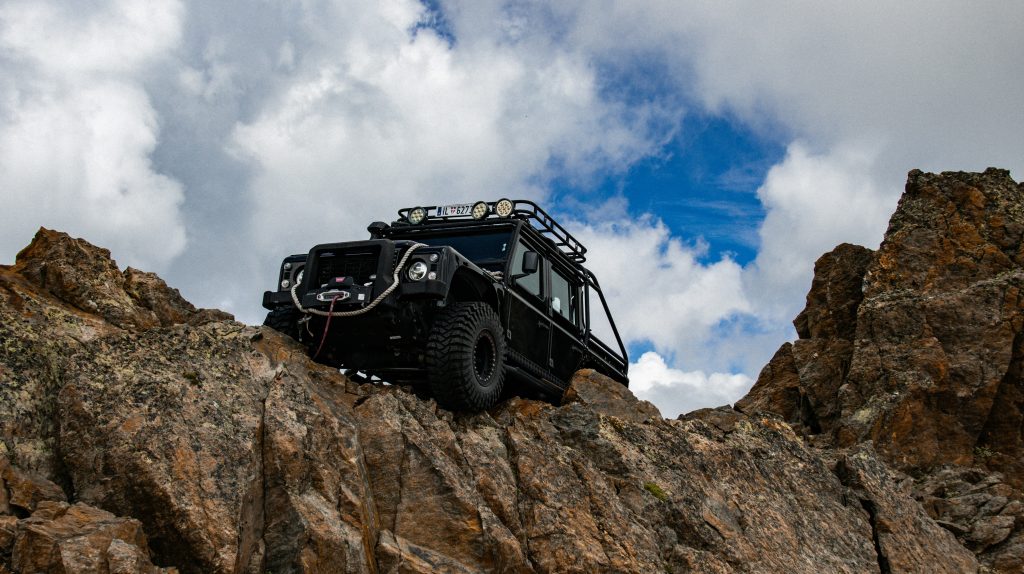
The whole point of land rover defender camping is that you don’t need a campsite. You don’t need hook-ups, or a shower block, or a man called Keith telling you where to park your caravan. You need a Defender, a tent, a flask of something warm, and the sort of remote British field where the nearest neighbour is a sheep who couldn’t care less about your glamping aspirations.
Land Rover Defender camping is not glamorous. Let’s be absolutely clear about that from the start. There is no underfloor heating. There is no espresso machine. There is a slightly damp sleeping bag, a torch that may or may not work, and the persistent suspicion that something with hooves is standing very close to your rear bumper in the dark. And yet, somehow, it is the most magnificent way to spend a weekend that has ever been invented.
Why a Defender Is the Greatest Camping Vehicle Ever Built
Here’s the thing that people who own normal cars don’t understand. A Defender doesn’t take you to a campsite. A Defender takes you to the place where the road ends, and then keeps going. That fire road in the Scottish Highlands that Google Maps pretends doesn’t exist? The Defender knows it. That beach in Pembrokeshire you can only reach through a field and across a ford? The Defender has been there before. While your friend in the crossover is still trying to find the postcode.
The land rover defender camping experience starts with understanding that the vehicle itself is half the accommodation. The back of a Defender 110 with the seats folded flat is basically a bedroom. A small, uncomfortable, slightly oily bedroom, but a bedroom nonetheless. People have been sleeping in the back of Defenders since 1948, and they’ve all woken up with the same backache and the same enormous smile.
The Roof Tent: When You Decide You Have Standards
At some point, every Defender camper looks at a roof tent and thinks: yes. That is the answer. And they’re right, mostly. A roof tent turns your Defender into a two-storey hotel. You’re off the ground, away from the mud, and you can look out across whatever ridiculous landscape you’ve driven to and feel like the king of absolutely everything.
The downsides? You need a roof rack that can handle it. You need to be comfortable with climbing a ladder at midnight when you need the loo. And you need to accept that your Defender’s fuel economy — already measured in gallons per mile rather than miles per gallon — is about to get considerably worse. But you’ll look spectacular. And in land rover defender camping, looking spectacular while being slightly uncomfortable is the entire point.
Kit You Actually Need (And Kit You Don’t)
The internet will try to sell you approximately four thousand accessories for Defender camping. LED light bars. Solar panels. Portable fridges. A pull-out kitchen that costs more than your first car. And some of it is genuinely useful. But here’s what you actually need: a decent sleeping bag rated for the temperature you’ll actually encounter (which in Britain means about 5°C in July, because this country hates us). A camping stove that works. A good knife. A head torch. And a cast iron pan, because everything tastes better cooked in cast iron in the middle of nowhere.
What you don’t need is a Wi-Fi hotspot. If you’ve driven a Defender to a remote hillside to check your emails, you’ve fundamentally misunderstood the assignment. The whole point of land rover defender camping is disconnection. It’s the mechanical simplicity of the vehicle meeting the mechanical simplicity of being outdoors. No screens. No notifications. Just you, the landscape, and the gentle ticking of the engine cooling down after a day of proper driving.
The Complete Defender Camping Gear List
After years of trial, error, and one memorable night where I forgot a groundsheet and woke up in a puddle, here is every piece of kit worth carrying on a Land Rover Defender camping trip. The table covers what you actually need, what it will cost you, and how critical each item is. Most of this fits in a single 40-litre storage box behind the seats — especially useful when heading off-road.
| Gear Item | Approx. Cost | Weight | Priority |
|---|---|---|---|
Budget setup excludes the roof tent and portable fridge — those are upgrades for when you have caught the bug and accepted that your Defender has become a mobile basecamp. Prices are approximate and based on UK retailers as of 2025.
Where to Go: Britain’s Best Wild Camping Spots
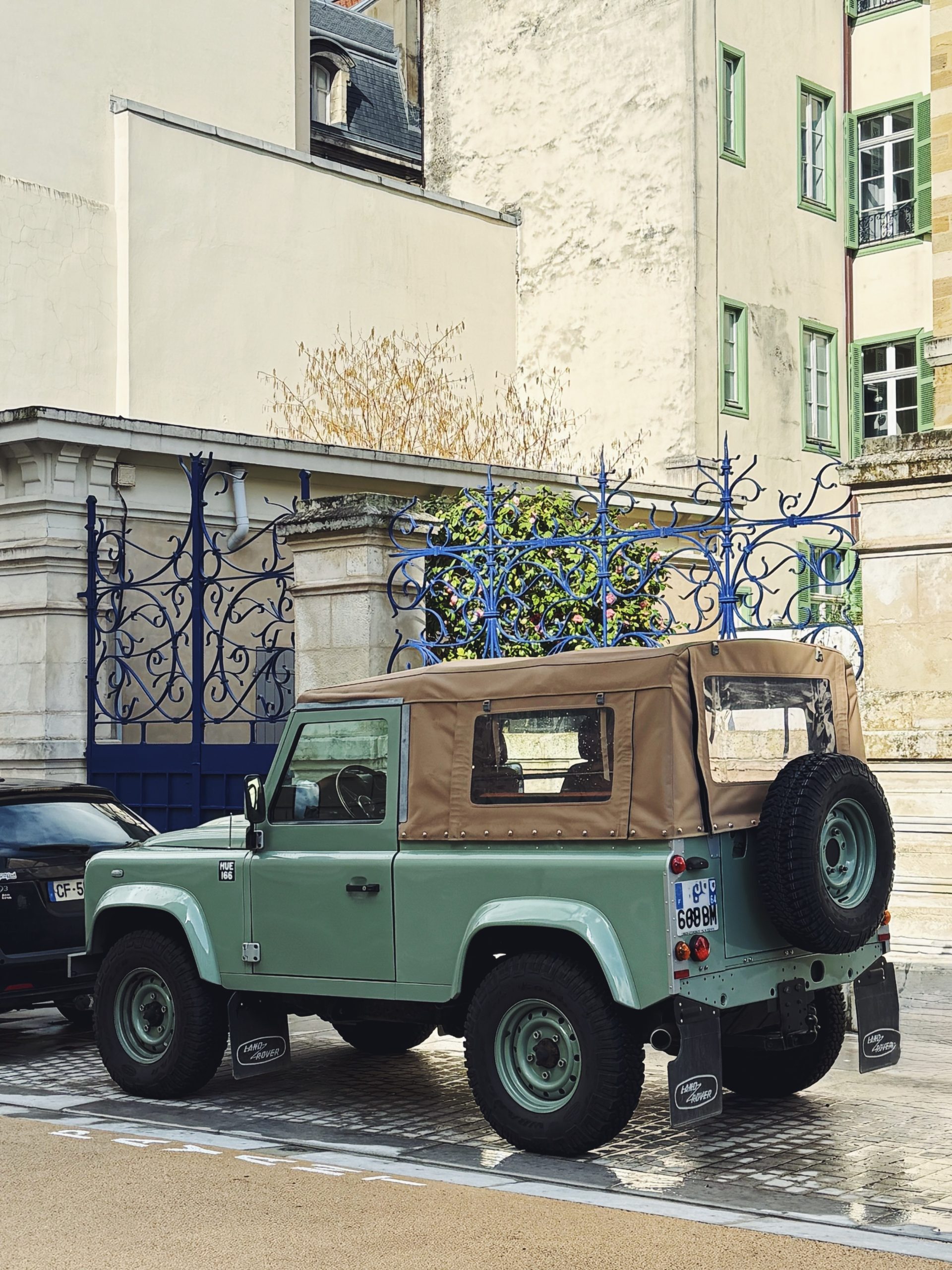
Scotland is the obvious answer, because Scotland is basically one enormous campsite with better whisky. Wild camping is legal there, which means you can park your Defender next to a loch, set up camp, and nobody will bother you except the midges. And the midges will bother you enormously, so bring repellent.
Wales is magnificent — the Brecon Beacons, Snowdonia, the Cambrian Mountains. Cornwall has coastal spots that look like they belong in a travel magazine. The Lake District is obvious but wonderful. And if you really want to feel remote, go to Northumberland. Drive past Hadrian’s Wall, keep going, and eventually you’ll find a place where the only light at night comes from the stars and the dashboard of your Defender. That’s where you stop.
Five Defender Camping Routes Worth the Diesel
The North Coast 500 (Scotland) — Five hundred miles of single-track roads, sea cliffs, and empty beaches that were built for a Defender. Start in Inverness and work anticlockwise. The stretch between Durness and Ullapool is where you will park up on a clifftop, cook something questionable on your stove, and understand exactly why Land Rover Defender camping beats any hotel. Wild camping is legal in Scotland under the Land Reform Act, so you can pull over almost anywhere sensible. Allow five to seven days.
The Cambrian Way (Wales) — From Cardiff to Conwy, this route threads through the Brecon Beacons, the Elan Valley, and Snowdonia. The green lanes around the Elan Valley are properly remote and will remind you why you bought a four-wheel drive in the first place. Camp by the reservoirs if you can find a spot out of the wind. Three to four days covers it comfortably.
The Lake District Loop (England) — Hardknott Pass and Wrynose Pass are mandatory. They are absurdly steep, terrifyingly narrow, and exactly the sort of road that makes Land Rover Defender camping feel justified. The western Lakes around Wasdale and Ennerdale are quieter and better for camping than the tourist honeypots of Windermere and Ambleside. Two to three days.
The Yorkshire Dales Green Lane Circuit (England) — Mastiles Lane, Cam High Road, and the old Roman roads above Ribblehead offer some of the finest legal green laning in England. The scenery is enormous — limestone pavements, dry stone walls stretching to the horizon, and almost nobody around. Perfect for a long weekend with overnight camps along the route.
The Wild Atlantic Way (Ireland) — If you are willing to take the ferry, the west coast of Ireland from Cork to Donegal is spectacularly empty and absurdly beautiful. The Beara Peninsula and the Dingle Peninsula are highlights. Irish farmers are generally relaxed about discreet camping, and the pubs along the way serve Guinness that tastes nothing like it does in England. Allow a full week.
| Route | Distance | Duration | Difficulty | Wild Camping |
|---|---|---|---|---|
The Campfire Rule
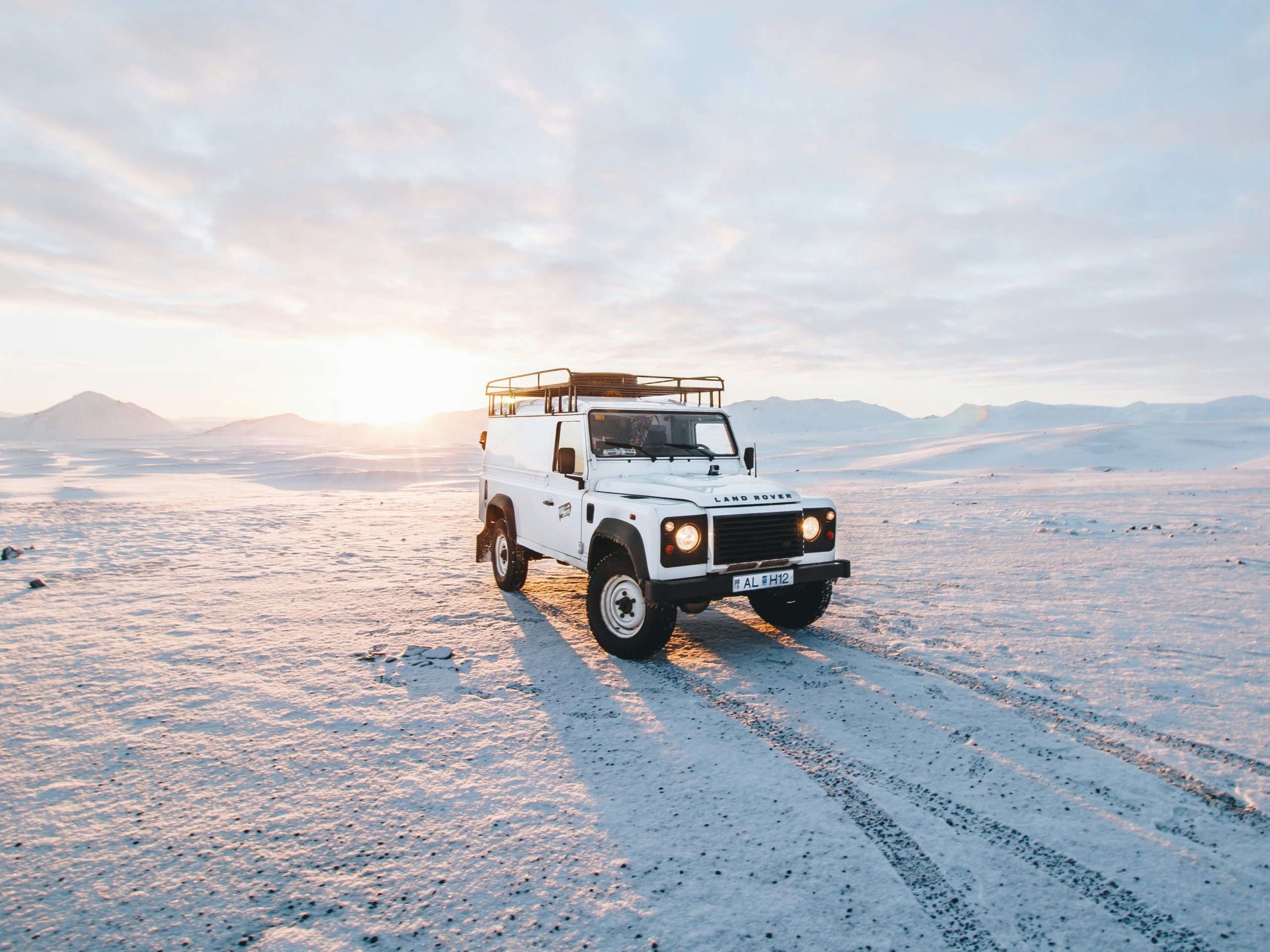
There is one rule of land rover defender camping that is sacred and must never be broken. When you’ve parked up, when the tent is pitched, when the fire is lit and the kettle is on — you must sit in your camping chair, look at your Defender in the fading light, and think: this is exactly where this vehicle was born to be. Not in a Waitrose car park. Not on the school run. Here. Doing this. Being magnificent.
If you’ve had one of those moments — if you’ve parked your Defender somewhere extraordinary and thought “this is it” — we want to see it. Add your spot to the Defender Sightings Map and show the world where your Defender has been. And if you want to know more about the vehicle that makes all of this possible, have a look at our 50 incredible facts about the Land Rover Defender.
Frequently Asked Questions About Defender Camping
Can you sleep inside a Land Rover Defender?
You can, but comfort depends on the model. A Defender 110 with the rear seats folded gives you roughly six feet of flat sleeping space — enough for one person or two very close friends. A Defender 90 is tighter and better suited to a roof tent setup. Many owners build simple sleeping platforms from plywood to create a level surface over the wheel arches.
Is wild camping legal in the UK?
Wild camping is legal in Scotland under the Land Reform Act 2003, provided you camp responsibly and leave no trace. In England and Wales, wild camping is technically not permitted without landowner permission, though it is widely tolerated in remote areas such as Dartmoor, the Lake District fells, and parts of Snowdonia. Always camp discreetly, arrive late, leave early, and take everything with you.
What is the best roof tent for a Defender?
The Front Runner Roof Top Tent and the Tepui Kukenam are popular choices among Defender owners. For classic Defenders, make sure your roof rack is rated for the static weight — most roof tents weigh between 45 and 55 kg before you add bedding and occupants. Hardshell tents are faster to deploy but cost more. Softshell tents are lighter on the wallet and pack smaller.
Now go. Pack the Defender. Leave the laptop. Bring the dog. Find somewhere the phone signal dies and the stars come out. That’s not camping. That’s living.