Buying Guide
The Ultimate Land Rover Defender Buying Guide: What to Look For Before You Buy
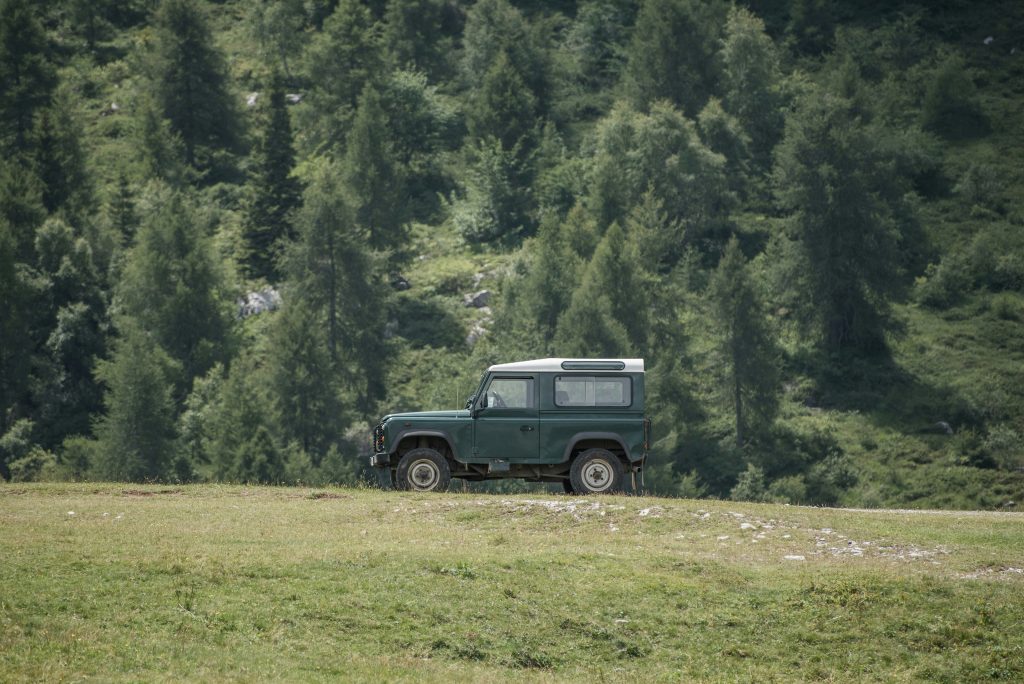
Why You Need This Land Rover Defender Buying Guide
Buying a Land Rover Defender is not like buying a normal car. It is more like adopting a large, opinionated animal that will demand your time, your money, and your garage space — and reward you with experiences that no other vehicle can provide.
This land rover defender buying guide exists because the Defender market is a minefield. Prices have gone through the roof. Restored vehicles are not always what they seem. New Defenders have their own set of considerations. And the difference between a good buy and a catastrophic mistake often comes down to details that most buyers overlook.
Whether you are looking at a classic Defender from the 1990s or a brand new one from the dealer, this guide will tell you exactly what to check, what to avoid, and what to pay.
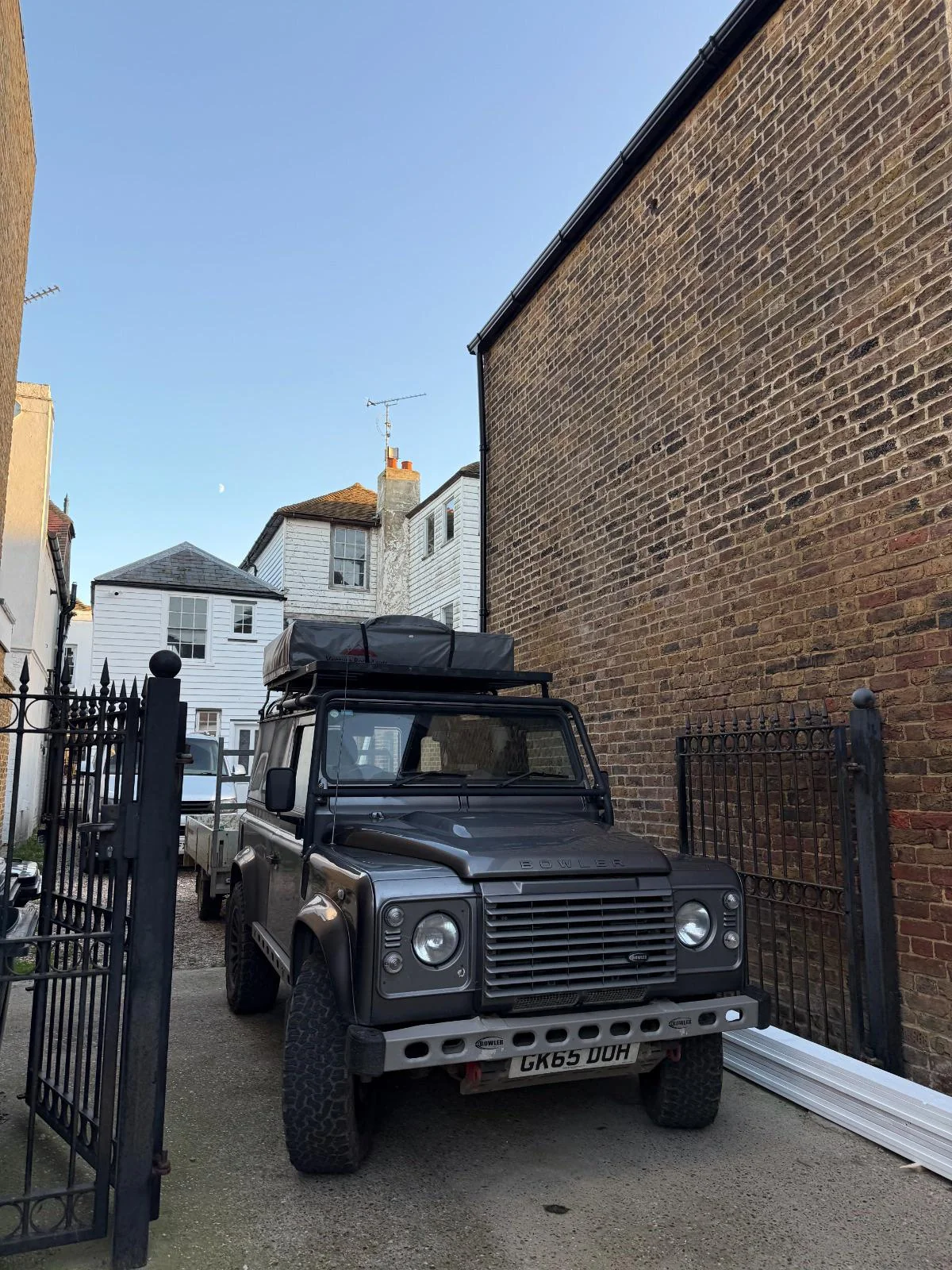
Classic Defender Buying Guide: What to Check Before You Hand Over the Money
The Chassis: Check This First, Check This Thoroughly
The chassis is the single most important thing to inspect on any classic Defender. Everything else can be fixed relatively cheaply. A rotten chassis cannot — or rather, it can, but the cost of a galvanised replacement chassis fitted is between £3,000 and £6,000, and that is before you factor in the labour to strip the vehicle down and rebuild it.
Get underneath the vehicle with a torch and a screwdriver. Poke the chassis rails, the outriggers, the rear crossmember, and the spring hangers. If the screwdriver goes through the metal, walk away unless the price reflects a full chassis replacement. Surface rust is normal and expected. Structural rust is a deal-breaker at the wrong price.
Pay particular attention to the rear crossmember and the outriggers behind the rear wheels. These are the first areas to corrode and the most expensive to repair once they have gone. The front of the chassis around the steering box mount is another critical area — if this is corroded, the steering can literally detach from the vehicle.
The Bulkhead: The Second Most Expensive Problem
The bulkhead is the firewall between the engine bay and the cabin. On classic Defenders, it is made from aluminium panels riveted to a steel frame, and it is the steel frame that rusts. The worst areas are around the base of the windscreen, the footwells, and where the bulkhead meets the chassis.
A replacement bulkhead costs between £1,500 and £4,000 depending on whether you choose a repair panel, a second-hand unit, or a brand new galvanised item. Fitting it requires removing the windscreen, the dashboard, and a significant amount of wiring. This is not a job for a Saturday afternoon.
Look for bubbling paint around the windscreen base, dampness in the footwells, and any signs of filler or welded patches. A Defender with a solid bulkhead is worth significantly more than one that needs attention.
Engine and Gearbox: What to Listen For
Each Defender engine has its own character and its own specific things to check. Here is what to look for by engine type:
200Tdi: The simplest and most reliable. Check for smoke on start-up (blue smoke indicates worn valve stem seals or turbo seal), listen for excessive timing chain rattle, and check the coolant for oil contamination (head gasket). These engines are so robust that if one is running badly, it has usually been seriously neglected.
300Tdi: Same checks as the 200Tdi, plus pay close attention to the coolant system. Feel the radiator hoses for softness — hard, brittle hoses suggest the coolant has not been changed regularly, which is the number one cause of head gasket failure on these engines. Check for mayo under the oil cap (head gasket) and white exhaust smoke when warm.
Td5: Start the engine from cold and listen. A rattle that disappears after a few seconds is the fuel pressure regulator — a known issue with a cheap fix. A persistent rattle could be something more serious. Check the oil level carefully — the Td5 can consume oil if the piston rings are worn. Look for oil leaks around the injector harness where it enters the rocker cover.
2.4 / 2.2 TDCi: Check for DPF warning lights and ask about the vehicle’s typical journey pattern. If it has been used for short trips around town, the DPF may be clogged. A forced DPF regeneration at a dealer costs around £200. A DPF replacement costs around £1,000. Check for turbo lag — hesitation followed by a sudden surge of power suggests the turbo variable vanes are sticking.
For all engines, check the gearbox by running through every gear including reverse. The R380 gearbox fitted to most Defenders can develop a notchy second gear at high mileage. This is not necessarily a deal-breaker — a rebuild costs around £500 — but it is a useful negotiating point.
Axles, Swivels, and Transmission
The Defender uses beam axles front and rear, connected by a two-speed transfer case. The axles themselves are extremely strong, but the swivel housings on the front axle require regular greasing. Grab the top of each front wheel and rock it — any clunking indicates worn swivel pins or wheel bearings.
Check the propshafts for play in the universal joints. Grab each propshaft and try to rotate it — there should be minimal play. Worn UJs cause vibration at speed and clunking when changing direction.
Turn the steering lock to lock while stationary. You should hear no clicking or grinding. If you do, the CV joints in the front axle are worn — not catastrophically expensive but another negotiation point.
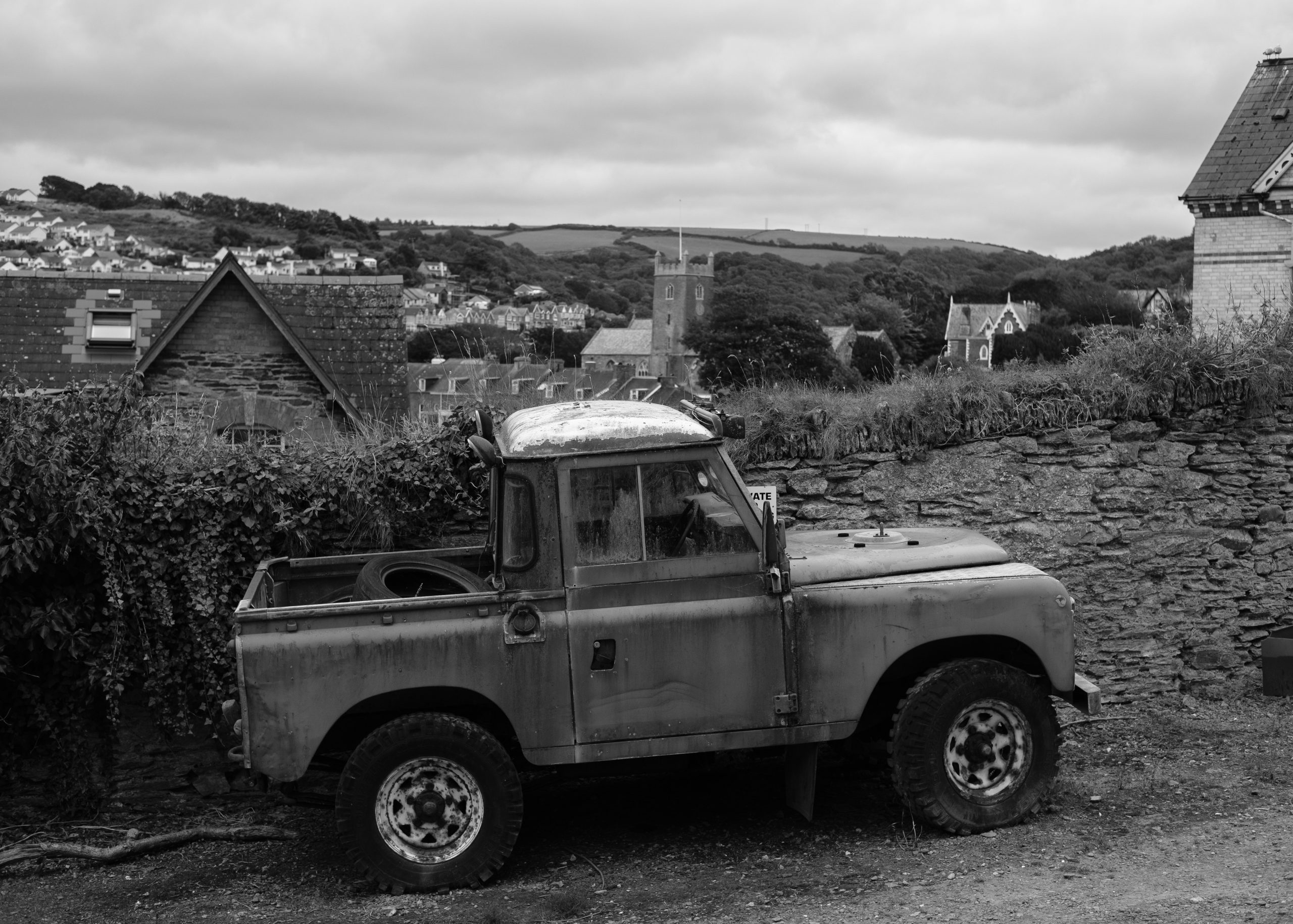
Bodywork and Panels
Classic Defender body panels are aluminium and do not rust. However, they do corrode where they contact dissimilar metals, and they dent easily. Check all panels for dents, misalignment, and evidence of accident damage.
The door tops are particularly prone to damage. Check that all doors close properly and that the window channels are not bent. Replacement door tops cost around £150–£300 each.
Look at the rear tub carefully. Cracks around the body mounting points are common on vehicles that have been used hard off-road. Check the condition of the floor in the rear — if it has been used as a working vehicle, the floor may be dented or corroded where water has pooled.
Electrics: The Lucas Legacy
Classic Defender electrics are basic but problematic. Check every single electrical function: lights, indicators, wipers, heater fan, interior lights, and reverse lights. Carry a test light or multimeter.
The most common electrical issues are corroded earth connections, chafed wiring behind the dashboard, and failed indicator relays. None of these are expensive to fix, but a vehicle with multiple electrical faults suggests neglect.
Check the alternator output with a multimeter on the battery terminals — you should see 13.8–14.4 volts with the engine running. Low voltage indicates a failing alternator, which costs £80–£150 to replace.
How Much Should You Pay for a Classic Defender?
Prices vary enormously based on age, condition, engine type, and specification. Here is a rough guide for 2025/2026:
Project vehicles (requiring chassis, bulkhead, or engine work): £8,000–£15,000. These are only for buyers who can do the work themselves or have access to an affordable workshop.
Usable but tired (running and driving, MOT, needs cosmetic and minor mechanical work): £15,000–£25,000. This is the sweet spot for buyers who want to use the vehicle while gradually improving it.
Good condition (solid chassis, good engine, presentable): £25,000–£40,000. These should have a recent MOT with minimal advisories, a documented service history, and no significant rust.
Restored or low mileage: £40,000–£80,000+. At this price level, expect a galvanised chassis, rebuilt or new engine, fresh paint, and either a full restoration history or genuinely low mileage with documentation.
Heritage Edition and special models: £60,000–£120,000+. The final Heritage Edition Defenders from 2015 have become collector vehicles. Only buy these with complete documentation and provenance.
Station wagons command higher prices than pick-ups or hard tops. The 90 wheelbase is generally more expensive than the 110 for equivalent condition. Td5 and later engines are typically priced higher than 200Tdi and 300Tdi due to the more modern driving experience, though purists prefer the earlier engines.
New Defender Buying Guide: What You Need to Know
Choosing the Right Model
The new Defender comes in three body styles — 90, 110, and 130 — and a bewildering array of engine and specification options. Here is what actually matters:
Defender 90: The short-wheelbase model. Three doors, compact, and more agile off-road than the 110. However, rear seat access is awkward, and boot space is limited. Best for couples or as a second car. The commercial two-seat version makes an excellent work vehicle.
Defender 110: The most popular choice and for good reason. Five doors, a practical boot, and enough space for a family. This is the one most people should buy. It offers the best balance of capability, practicality, and residual value.
Defender 130: The eight-seater. Added in 2023, the 130 extends the rear overhang for a third row of seats. Useful if you genuinely need eight seats, but the extra length compromises off-road capability and the additional weight wears brakes faster.
Which Engine to Choose
This is the single most important decision in any new land rover defender buying guide. Get it wrong and you will spend years regretting it.
D200 / D240 (2.0 four-cylinder diesel): Avoid if possible. The timing chain and turbo issues documented on these engines make them a risky buy, particularly on the used market where maintenance history may be incomplete. If buying used, insist on a full dealer service history and budget for potential timing chain work.
D250 / D300 (3.0 six-cylinder diesel): The recommended choice for most buyers. Smooth, powerful, and significantly more reliable than the four-cylinder. The D300 offers noticeably more performance than the D250 and is worth the premium. Check that the oil filter housing recall has been completed.
P300 (2.0 four-cylinder petrol): Only worth considering if you drive very few miles annually. The fuel consumption in a vehicle this heavy makes it expensive to run, and the engine works hard. Not widely available in the UK.
P400 (3.0 six-cylinder petrol with mild hybrid): An excellent engine with smooth delivery and strong performance. The mild hybrid system aids fuel economy slightly. A good alternative to diesel for higher-mileage buyers who prefer petrol.
P400e (plug-in hybrid): Added in 2024, offering a claimed electric range of around 27 miles. Worth considering if you have a short commute and home charging. The battery adds weight, which compromises off-road capability slightly. Tax benefits for company car drivers make this financially attractive.
V8 (5.0 supercharged): The emotional choice. Glorious noise, astonishing performance, terrible fuel economy. Buy it because you want it, not because it makes sense. Check oil consumption and supercharger condition on used examples.
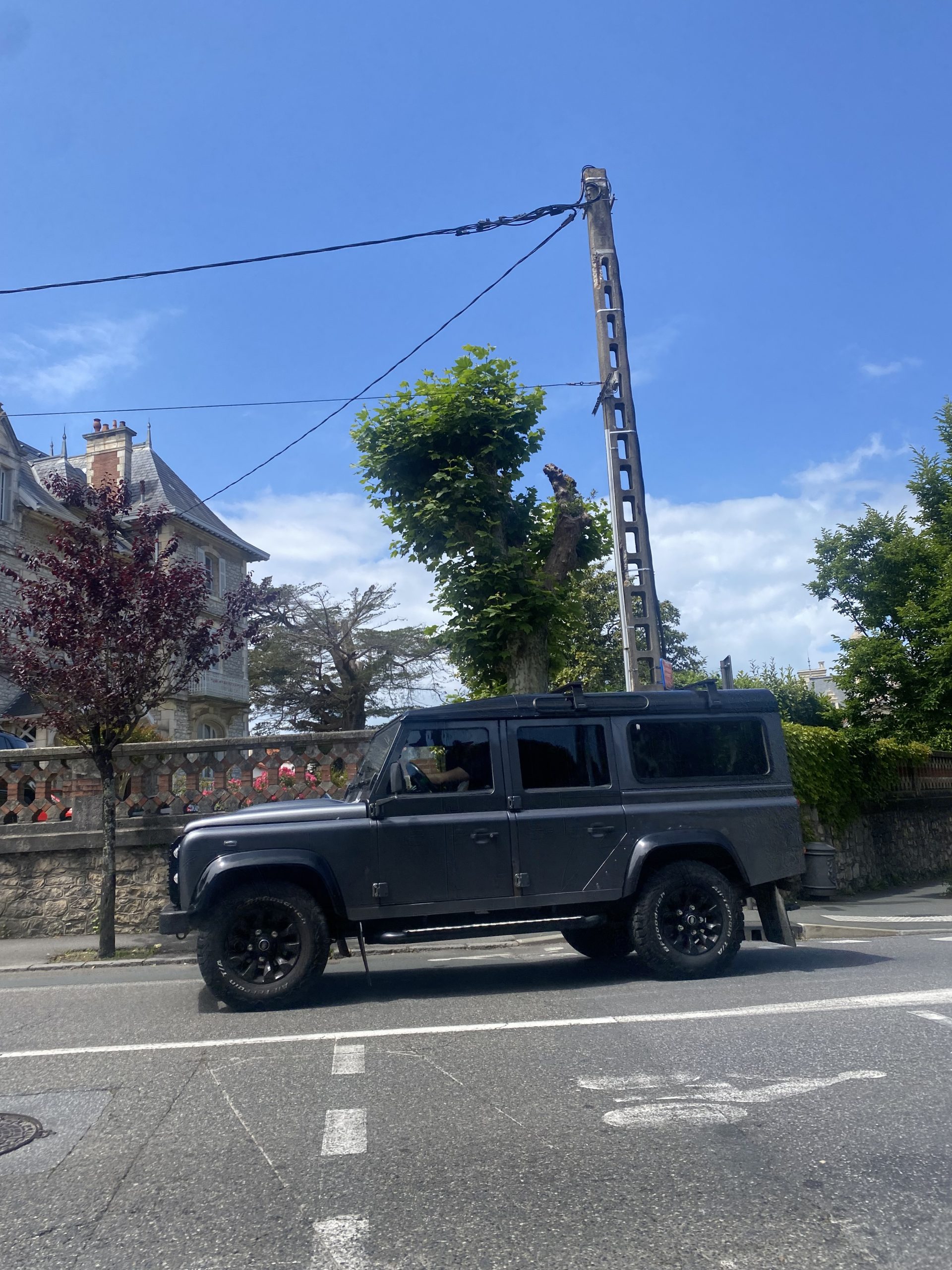
Specification and Options
The new Defender is available in several trim levels, but the options list is where things get complicated and expensive. Here is what is worth having and what is not:
Worth the money: Air suspension (transforms the ride quality and off-road capability), tow bar (factory-fit is far better than aftermarket), heated windscreen (essential for UK winters), 360-degree camera (invaluable for parking and off-road obstacles), and the protection pack (underbody shields).
Nice to have but not essential: Meridian sound system, head-up display, configurable ambient lighting, electrically adjustable steering column, and ClearSight rear-view mirror.
Skip unless you need it: The roof rack (adds wind noise and reduces fuel economy), the side-mounted gear carrier (looks great but blocks rear visibility), expedition roof rack (unless you are genuinely overlanding), and the domestic plug socket (useful only if you actually plan to plug things in).
New vs Used: The Financial Reality
A new Defender 110 D300 in a sensible specification will cost around £65,000–£75,000 on the road. A two-year-old equivalent with 20,000 miles will cost around £50,000–£58,000. That is a significant saving, but there are trade-offs.
Buying new gets you a full manufacturer warranty, the ability to specify exactly what you want, and the knowledge that nobody else has abused it. Buying used saves you money but requires more careful inspection and ideally an extended warranty.
If buying used, always check the service history through a Land Rover dealer — they can verify whether the vehicle has been serviced on time and whether all recalls have been completed. Ask for evidence of any warranty claims, which can reveal recurring issues with that specific vehicle.
Pre-Purchase Inspection: What a Professional Should Check
Whether buying classic or new, a professional pre-purchase inspection is worth every penny. For a classic Defender, the inspection should include a full chassis and bulkhead assessment, engine compression test, gearbox and transfer case check, brake system inspection, full electrical test, and a check for evidence of accident damage or poor repairs.
For a new Defender, the inspection should include a full diagnostic scan for fault codes and pending issues, check of all electronic systems including air suspension, verification of service history and recall completion, body panel alignment check, tyre wear assessment for signs of alignment or suspension issues, and a thorough road test covering all driving modes.
Expect to pay £150–£300 for a professional inspection. This is the best investment you can make when buying any Defender.
Common Mistakes When Buying a Defender
Having seen hundreds of Defender purchases go right and wrong, here are the most common mistakes buyers make:
Buying on emotion. The Defender has an incredible ability to make grown adults throw financial caution to the wind. Set a budget and stick to it. Factor in at least 15 percent above the purchase price for immediate repairs and improvements.
Ignoring the chassis on classic models. A beautiful-looking Defender with a rotten chassis is a money pit. Always check the chassis first. If you cannot get underneath it, do not buy it.
Choosing the wrong engine on new models. The four-cylinder diesel is significantly less reliable than the six-cylinder. The price difference on the used market is narrowing — spend the extra money on the better engine.
Skipping the pre-purchase inspection. A £200 inspection can save you thousands. Never buy without one, regardless of how trustworthy the seller appears.
Not budgeting for running costs. Defenders are not cheap to run. Insurance, fuel, tyres, and maintenance all cost more than equivalent vehicles. Budget accordingly and you will enjoy the ownership experience far more.
Buying a modified vehicle without understanding the modifications. Lift kits, engine remaps, and aftermarket accessories can enhance or destroy a Defender depending on the quality of the work. If you do not understand what has been done, bring someone who does.
The Bottom Line
A land rover defender buying guide can only take you so far. At some point, you have to decide whether a Defender is the right vehicle for you — and then find the right specific vehicle. The key is to be patient, be thorough, and be realistic about both the costs and the compromises.
The right Defender, bought well and maintained properly, will be one of the best vehicles you ever own. The wrong one, bought in haste, will be one of the most expensive mistakes you ever make.
Take your time. Check everything. And when you find the right one, you will know.
Frequently Asked Questions
What should I look for when buying a classic Defender?
The three most critical areas on any classic Defender are the chassis, the bulkhead, and the engine. Check the chassis for structural rust by getting underneath with a torch and probing with a screwdriver. Inspect the bulkhead around the windscreen base and footwells for corrosion. Run the engine from cold and listen for unusual noises. Everything else — body panels, electrics, interior — is relatively cheap to fix compared to these three items.
Is the new Defender worth the money?
The new Defender offers genuine off-road capability combined with modern comfort and technology. Whether it is worth the money depends on your priorities. If you want a comfortable daily driver that can also handle serious off-road terrain, the new Defender — particularly the D300 six-cylinder diesel — represents good value in its class. If you primarily want an off-road tool and are comfortable with basic amenities, a classic Defender offers more capability per pound spent.
How much does it cost to maintain a Defender annually?
A classic Defender costs approximately £500–£1,500 per year to maintain if you do some work yourself, or £1,000–£3,000 if relying entirely on a specialist workshop. A new Defender costs approximately £800–£1,500 per year for scheduled maintenance, but unexpected repairs outside warranty can be significantly more expensive due to the complexity of the electronics and systems.
Before you buy, make sure you understand the common problems to watch for and the real-world fuel economy figures for each engine.