Ownership
Best Tyres for a Land Rover Defender: Sizes, Prices and What Fits
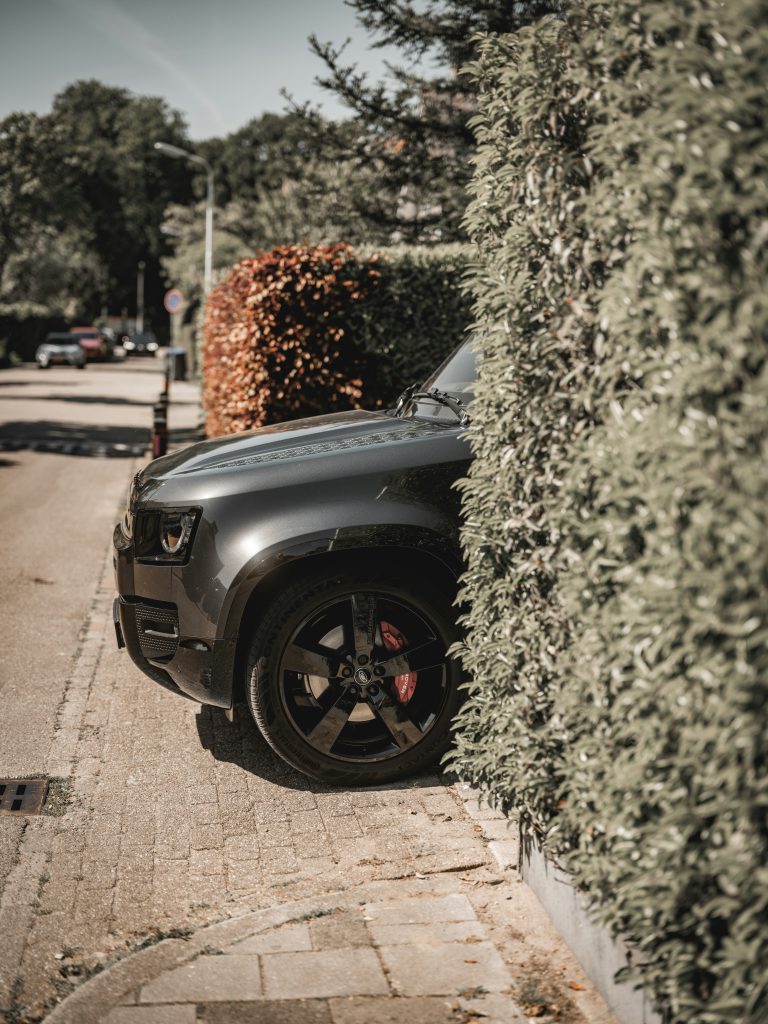
Tyres are the only modification that changes what a Defender can actually do before you have spent a thousand pounds. Everything else on the usual shopping list is jewellery.
The lift, the lights, the snorkel, the roof rack: all of them change how the vehicle looks, or how it copes with one specific situation you will encounter twice. Tyres change the grip, the braking, the ride, the noise, the fuel consumption and the off-road ability, all at once, on every single journey you ever make. They are also the thing people get most spectacularly wrong, usually by buying a tread pattern for the terrain they imagine themselves crossing rather than the B road they actually drive to Tesco.
So. How to choose, what fits, and what it costs.
Be honest about where you actually drive
This is the hard bit, because the answer is always more tarmac than you think.
Mostly road, occasional field. This is most Defenders, including almost certainly yours. A road-biased all-terrain, or frankly a good highway tyre, is the correct answer. Fitting aggressive mud rubber here costs you braking distance, cabin noise and fuel, in exchange for a capability you will deploy twice a year, once of which will be showing a friend.
Proper mixed use. Green lanes, farm tracks, towing in the wet. A real all-terrain, and this is the sweet spot for most people reading this.
Serious mud and expedition work. A mud-terrain, and you must then accept what it does to the other 95 per cent of your driving, which is make it louder, thirstier and longer to stop.
The all-terrains worth having
This category has got enormously better in the last few years. Modern all-terrains are far more civilised on road than the ones of a decade ago, which sounded like a helicopter and wore out looking at a kerb, and they give away almost nothing off it.
BFGoodrich All-Terrain T/A KO3. The default answer, and the successor to the KO2 that has been the Defender standard for years. Three-ply sidewall, which is the bit that matters when you are picking a line through rocks and would rather not walk home. It carries the three-peak mountain snowflake marking for genuine winter performance, and it is noticeably quieter than the KO2 it replaced.
General Grabber AT3. The value choice, and not a compromise one. Strong wet grip, long tread life, three-peak rated, and meaningfully cheaper than the BFGoodrich. If your Defender is a daily driver that occasionally goes off-road, this is arguably the more sensible tyre, and sensible is not a dirty word when you are buying four of something.
Falken Wildpeak A/T3W. The other strong value option, also three-peak rated, and among the best balanced of the winter-capable all-terrains for dry handling. Overlanders like it for the same reason as the General: it does not punish you on the motorway between adventures.
That three-peak mountain snowflake marking is worth understanding, because it is the only bit of the sidewall that means anything. It certifies tested cold weather performance. The words “all terrain” certify that somebody in marketing owns a thesaurus.

What actually fits
Classic Defender. The answer is 235/85R16, which is what most 90s and 110s run and what every specialist quotes for. A set of four quality all-terrains in that size costs 600 to 800 pounds. You can go bigger. People do. What bigger gets you on a classic is rubbing, altered gearing, steering that needs both arms and a speedometer that has started lying to you, and none of that is free.
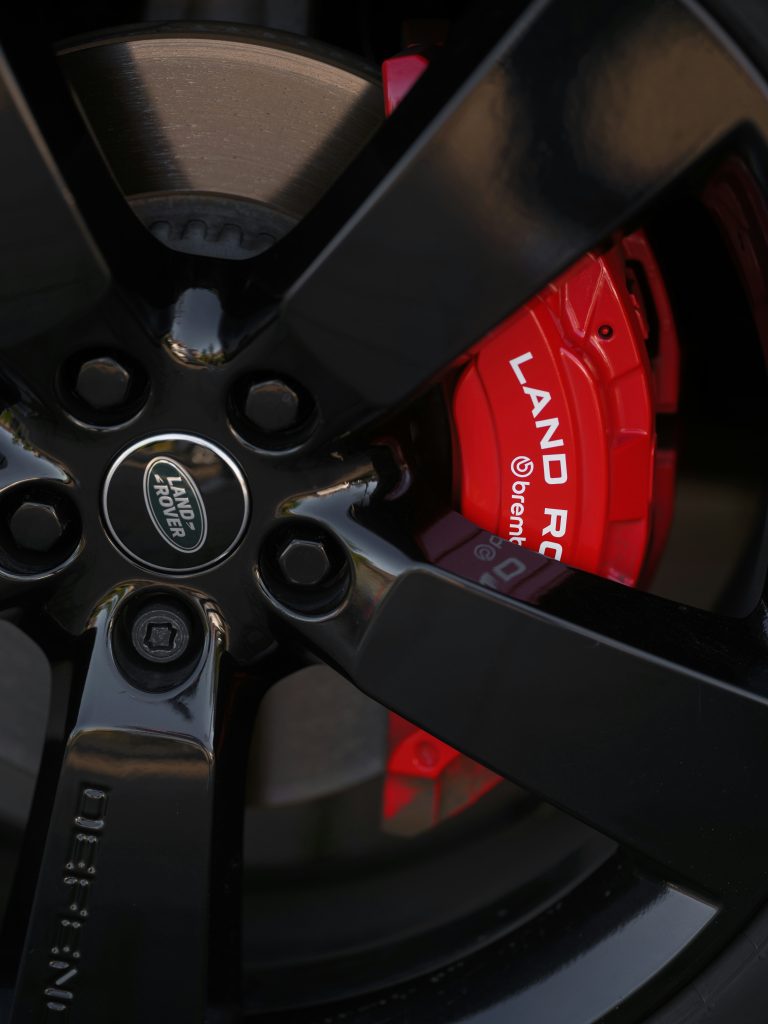
New Defender (L663). Factory fitments run from 255/70 R18 up through 255/65 R19, 255/60 R20 and 275/60 R20 to 275/45 R22 and 275/50 R22, depending on wheel. Most cars leave the dealer on 20s.
And here is the single most useful thing you can do to a new Defender, which is to go down in wheel size. An 18-inch wheel with a 255/70 tyre gives you vastly more sidewall than a 22 does, and sidewall is ride quality, protection from kerbs and rocks, a far wider choice of serious all-terrain rubber, and cheaper replacements when one of them meets a pothole. The 22-inch wheels look absolutely magnificent. They are also the wrong tool for anything except a multi-storey car park, and you will discover this at some expense.
Check the plate on your door pillar for what your vehicle was actually built with, rather than trusting a forum post about somebody else’s car.
What tyres cost you in fuel
More than you would like. Aggressive tread and heavy construction both hurt, and on a vehicle with the aerodynamic profile of a garden shed those losses stack up rather than cancel out.
The honest framing is this: if you are going to lose a few mpg, lose it to a tyre you actually use. Losing it to a mud-terrain that has never seen mud is the expensive sort of vanity.
Your pressures are wrong
They probably are, because Defender pressures vary far more with load than a normal car’s do, which is rather the point of a vehicle designed to carry things. The door pillar plate gives laden and unladen figures, and the gap between them is not decoration.
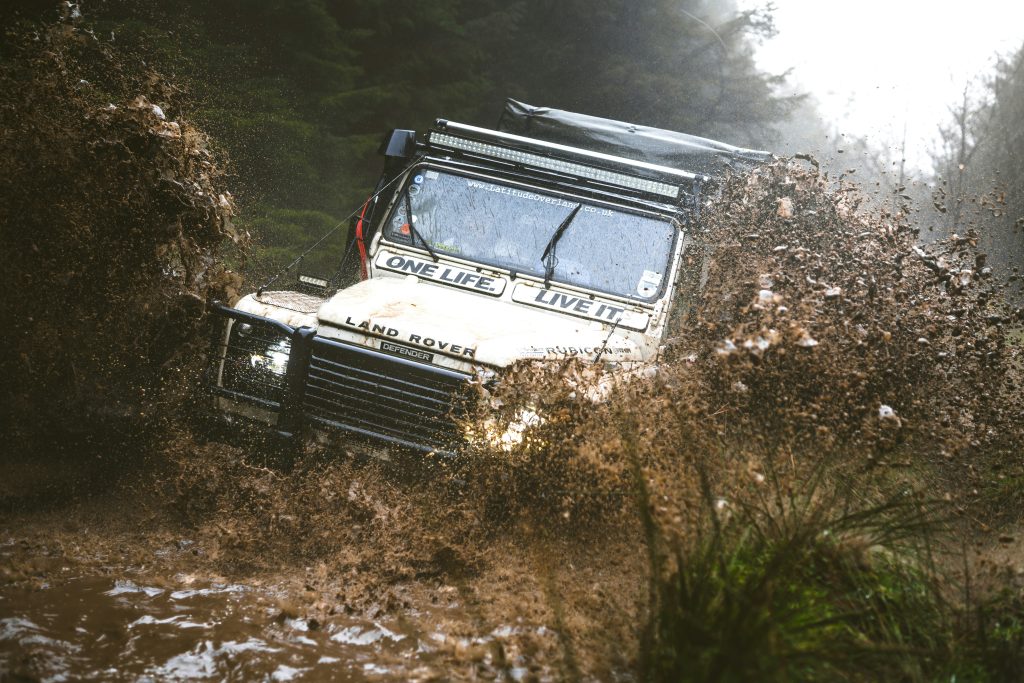
Off-road, dropping pressure lengthens the contact patch and transforms grip in sand and soft ground, to an extent that feels like cheating. Put it back up before you rejoin tarmac. Every time. Running low pressures at road speed overheats the sidewalls, and that is how tyres stop being tyres. Carry a compressor and a gauge you trust, which together cost less than one tyre and are the most useful things in the vehicle.
When to replace them
The legal minimum tread across the UK and the EU is 1.6 mm, a figure which on a two-tonne vehicle with all-terrain rubber is essentially a legal fiction. Wet braking falls off a cliff long before it. Start thinking about replacement at around 3 mm.
Age matters as much as tread, because Defenders often do laughably low mileage. Rubber hardens whether or not you drive on it, and a six-year-old tyre with lovely deep tread is still a six-year-old tyre. The four-digit code on the sidewall tells you: first two digits the week, last two the year.
And check the spare. It is the one everybody forgets, and it is the one you need on the single worst day of your year.
Defender tyres: frequently asked questions
What are the best tyres for a Land Rover Defender?
For mixed use, the BFGoodrich All-Terrain T/A KO3 is the default: three-ply sidewall, three-peak snowflake rated and much quieter than the KO2 it replaced. The General Grabber AT3 and Falken Wildpeak A/T3W are both cheaper, also three-peak rated and genuinely good, and are arguably the better buy if the Defender is mostly a daily driver.
What size tyres does a classic Defender take?
235/85R16 for most 90s and 110s, and a set of four quality all-terrains in that size costs 600 to 800 pounds. Going larger brings rubbing, altered gearing, heavier steering and an inaccurate speedometer, so do it deliberately rather than because it looks good in a car park.
What tyre sizes fit a new Defender L663?
Factory fitments run from 255/70 R18 through 255/65 R19, 255/60 R20 and 275/60 R20 to 275/45 R22 and 275/50 R22, depending on wheel. Most cars are delivered on 20s. Check the plate on your door pillar for what yours was actually built with.
Should I put smaller wheels on my new Defender?
If you use it properly, absolutely. An 18-inch wheel with a 255/70 tyre gives far more sidewall than a 22, which means better ride, real protection against kerbs and rocks, a much wider choice of serious all-terrain rubber and cheaper replacements. The 22s look superb and are the wrong answer for anything but tarmac.
What does the three-peak mountain snowflake symbol mean?
It certifies that the tyre has been tested and meets a required standard for severe snow performance. It is the marking that matters for winter, and winter is where it earns its keep. The words “all terrain” on a sidewall are a description, not a certification.
What pressure should Defender tyres be?
Whatever the plate on your door pillar says, and note that it gives separate laden and unladen figures, because the difference on a load-carrying vehicle is significant. Off-road, dropping pressure transforms grip in sand and soft ground, but put it back up before you rejoin tarmac or you will cook the sidewalls.
When should I replace Defender tyres?
Start thinking about it around 3 mm rather than waiting for the 1.6 mm legal minimum, because wet braking on a two-tonne vehicle has gone long before that. Age counts too: rubber hardens whether or not you use it, so read the four-digit code on the sidewall, week first and year second, and treat anything six years old as due regardless of tread.
Read more
Land Rover Defender Fuel Economy: Real MPG, Not Brochure MPG
Let me be clear about something right from the start: if fuel economy is your primary concern when...
Jun 1, 2026Land Rover Defender Rust: The Seven Places It Always Starts
Some of the links on this page go to Amazon. If you buy through one, we get a...
Nov 2, 2026Land Rover Defender Maintenance Schedule and Costs
If you have ever wondered what owning a Land Rover Defender actually costs in terms of ongoing maintenance,...
Jun 8, 2026Shop
Wear the sighting.
Small things for people who slow down when a Defender comes the other way. Printed in Estonia, posted anywhere in the world.