Facts
Defender Hybrid and Electric: PHEV, MHEV and the 2027 EV
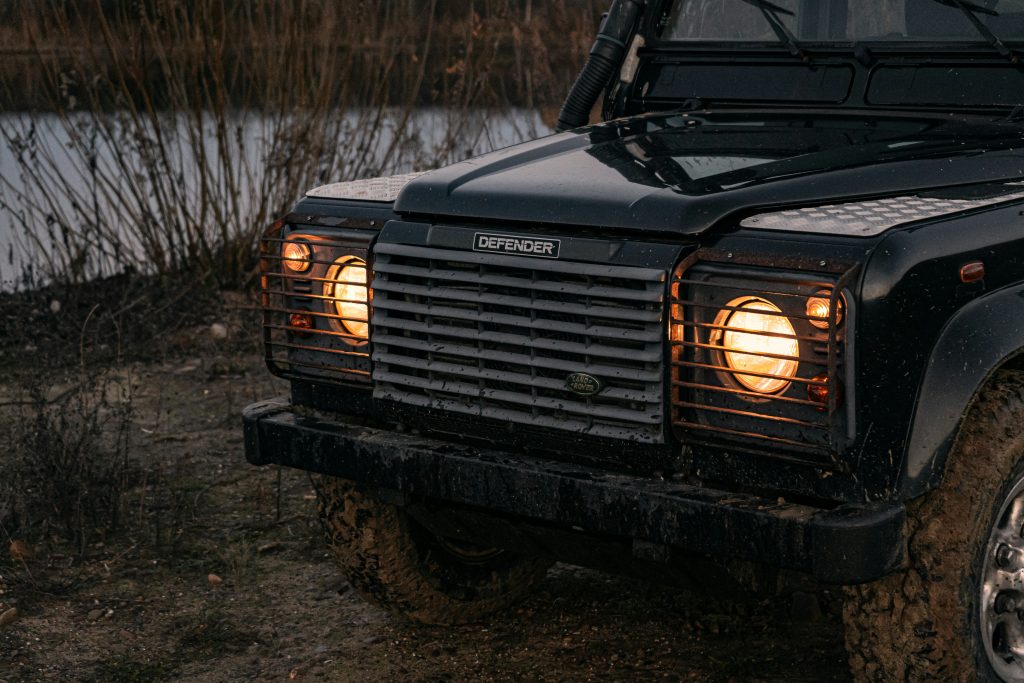
The Defender lineup already includes mild hybrid and plug-in hybrid options, and a fully electric model is confirmed for 2027. If you’re trying to figure out which hybrid Defender is available now, what the PHEV actually delivers, or what the upcoming Defender Sport EV will look like, this guide covers all of it. I’ve pulled together every confirmed detail from Land Rover and credible industry sources to give you a clear picture of where the Defender is headed.
Current Defender Hybrid Options (2025-2026)
Right now, Land Rover offers two types of hybrid technology in the Defender: mild hybrid (MHEV) and plug-in hybrid (PHEV). Understanding the difference matters because they work in fundamentally different ways and deliver very different results at the pump.
MHEV vs PHEV vs electric: the short version
| P400 MHEV | P400e PHEV | Defender Sport EV (2027) | |
|---|---|---|---|
| Type | 48-volt mild hybrid | Plug-in hybrid | Full electric |
| Power | 395 hp / 406 lb-ft | 404 hp / 472 lb-ft | Dual motor, not confirmed |
| Electric-only range | None | Up to 27 miles (WLTP) | 300–320 miles (estimated) |
| Battery | 48V starter-generator | 19.2 kWh | 70–90 kWh (EMA platform) |
| Charging | Not applicable | 0–80% in ~30 min DC, 1–2 h on a 7 kW wallbox | 10–80% in 20–25 min (800V, 350 kW) |
| Economy / emissions | 17–20 mpg combined | 74 g/km CO2 (WLTP) | No tailpipe emissions |
| Sold in the US | Yes | No, as of 2026 | Expected |
Defender P400 mild hybrid (MHEV)
The P400 is a 3.0-liter turbocharged inline-six paired with a 48-volt mild hybrid system. The electric motor acts as a starter-generator, recovering energy during braking and providing a small boost during acceleration. It doesn’t power the vehicle on its own and you can’t plug it in. Think of it as a fuel economy assist rather than a true hybrid drivetrain.
The P400 puts out 395 hp and 406 lb-ft of torque. It’s the most popular engine choice in the U.S. market because it delivers solid performance with marginally better efficiency than a pure combustion engine. Real-world fuel economy sits around 17-20 mpg combined. For detailed numbers, see my fuel economy guide.
The MHEV system is available across the Defender 110 and 130 in several trim levels. The Defender OCTA’s twin-turbo V8 also uses mild hybrid technology, though the fuel savings on a 626 hp engine are minimal at best.
Defender P400e plug-in hybrid (PHEV)
The P400e is the Defender’s plug-in hybrid, available in most markets outside the U.S. It combines a 2.0-liter four-cylinder Ingenium petrol engine with an electric motor for a combined output of 404 hp and 472 lb-ft of torque. The P400e can drive up to 27 miles on electric power alone (WLTP rating), which is enough for many daily commutes without burning any fuel.
What makes the Defender P400e special compared to many plug-in hybrids is that it retains both high and low range gearing. You can use pure electric drive on demanding off-road terrain, which makes it quieter on trails and more controlled at low speeds. The instant torque from the electric motor actually helps with rock crawling and muddy sections.
Key P400e specs:
- Combined power: 404 hp / 472 lb-ft
- 0-60 mph: 5.4 seconds
- EV range: Up to 27 miles (WLTP)
- CO2 emissions: 74 g/km (WLTP)
- Battery: 19.2 kWh lithium-ion
- Charging: 0-80% in about 30 minutes (DC fast charge) or 1-2 hours on a 7 kW home wallbox
- Wading depth: 35.4 inches (same as non-hybrid models)
The main downside is U.S. availability. As of 2026, Land Rover doesn’t offer the P400e in North America. If you’re in Europe or other markets where it’s sold, the P400e makes a strong case for buyers who have a short daily commute but still want full Defender capability on weekends.
Defender Sport EV: What’s Coming in 2027
Land Rover has confirmed that the first fully electric vehicle under the Defender brand will arrive in 2027. It won’t be an electric version of the current Defender. Instead, it’s a new, smaller model called the Defender Sport (also rumored as the Defender 80) built on JLR’s purpose-built EMA (Electric Modular Architecture) platform.
Platform and Architecture
The EMA platform is designed from the ground up for electric vehicles. It uses an 800-volt architecture capable of 350 kW DC fast charging, which means going from 10% to 80% in roughly 20-25 minutes. This is a significant improvement over the current P400e’s charging capabilities and puts it in line with the fastest-charging EVs on the market.
The platform supports battery packs ranging from 70 to 90 kWh, depending on the variant. JLR has invested heavily in next-generation battery technology with higher energy density cells, which should deliver more range from a smaller, lighter battery pack than what you’d find in competitors.
Expected Specs
While Land Rover hasn’t released official specifications, industry sources and JLR insiders point to the following:
- Range: 300-320 miles (estimated)
- Drivetrain: Dual-motor, permanent all-wheel drive
- Length: Around 4.5 meters (177 inches), shorter than the current Defender 90
- Charging: 800V architecture, 350 kW DC fast charging
- Manufacturing: JLR’s Halewood plant in the UK
Size and Positioning
The Defender Sport will be smaller than the current Defender 90, making it more of a compact SUV competitor. Think of it as sitting somewhere between a Jeep Wrangler and a Ford Bronco Sport in terms of size. It will slot below the standard Defender in Land Rover’s lineup, with a lower starting price that opens up the brand to a wider audience.
Pricing is expected to start around $54,000 to $67,500, which would make it the most affordable way into the Defender range. Compare that to the current Defender 110, which starts at $57,100, and it’s clear Land Rover is targeting volume with this model.
Off-Road Capability
Here’s the trade-off: the Defender Sport EV won’t match the full-size Defender’s off-road prowess. The EMA platform wasn’t designed with the same level of off-road engineering as the D7x platform that underpins the current Defender. Expect it to be capable on light to moderate trails, fire roads, and rough surfaces, but serious rock crawling and deep water crossings are likely to be compromised.
Land Rover has said the vehicle will still be “class-leading in the attributes that make it a Defender,” which suggests they’re focusing on making it the most capable compact EV SUV rather than matching the current Defender’s extreme off-road ability. For comparison of what the current Defender can do, see my off-road guide.
Hybrid Option Too
In a strategic shift from the original EV-only plan, JLR has confirmed the Defender Sport will also be available with a hybrid powertrain, not just as a pure EV. This hedges their bets in markets where EV charging infrastructure is still developing and gives buyers more flexibility. The hybrid variant is expected to use a plug-in hybrid setup rather than a simple mild hybrid.
Will the Current Defender Go Electric?
As of now, there are no confirmed plans to make the current full-size Defender (90, 110, 130) fully electric. The D7x platform it rides on was designed to accommodate electrified powertrains (hence the P400e), but converting it to a full BEV (battery electric vehicle) would require significant engineering changes.
The more likely path is that the current Defender continues with its MHEV and PHEV options through its production cycle, while the Defender Sport introduces the full EV experience to the Defender brand. A next-generation full-size Defender built on a new platform could potentially go fully electric, but that’s likely a 2030+ timeline.
Should You Wait for the Electric Defender?
That depends on what you need. If you want the full-size Defender experience with maximum off-road capability, towing capacity, and the ability to carry a family plus gear, the current Defender 110 or 130 with the P400 MHEV is the smart buy right now. It’s a proven truck with a refined powertrain.
If you’re looking for a more compact, urban-friendly Defender for daily driving with occasional trail use, and you can wait until 2027, the Defender Sport EV could be worth the wait. The lower price point, 300+ mile range, and ultra-fast charging make it an attractive package on paper.
For buyers in markets where the P400e is available, the plug-in hybrid offers the best of both worlds right now: electric driving for daily errands and full combustion range for long trips. It’s the closest thing to an electric Defender you can buy today.
Whatever you choose, check my price guide and buying guide for the latest on current Defender pricing and shopping advice.
Frequently Asked Questions
Is there a hybrid Land Rover Defender?
Yes. The Defender P400 uses mild hybrid (MHEV) technology with a 48-volt system. In markets outside the U.S., the P400e plug-in hybrid (PHEV) is also available, offering up to 27 miles of pure electric driving range and 404 hp combined output.
When will the electric Defender be released?
The Defender Sport EV is expected to launch in early 2027. It will be a smaller model built on JLR’s EMA platform, not an electric version of the current full-size Defender. It’s expected to offer 300-320 miles of range with 800V fast charging.
Can you get the Defender P400e in the US?
No. As of 2026, the Defender P400e plug-in hybrid is not sold in the United States. It’s available in the UK, Europe, and select other markets. The U.S. Defender lineup uses mild hybrid technology in the P400 inline-six and V8 engines.
How much will the Defender Sport EV cost?
Pricing is expected to start around $54,000 to $67,500, making it more affordable than the current Defender 110 (which starts at $57,100). The Defender Sport will be smaller and positioned as the entry point to the Defender brand.
Will the Defender Sport EV be as capable off-road?
Not quite. The Defender Sport EV will be built on the EMA platform, which wasn’t designed for extreme off-road use. It will handle trails, gravel roads, and moderate terrain well, but serious rock crawling and deep water crossings won’t match the current Defender’s capabilities.