Buying Guide
Land Rover Defender 130 Guide: Specs, Pricing, Seating and Towing (2026)
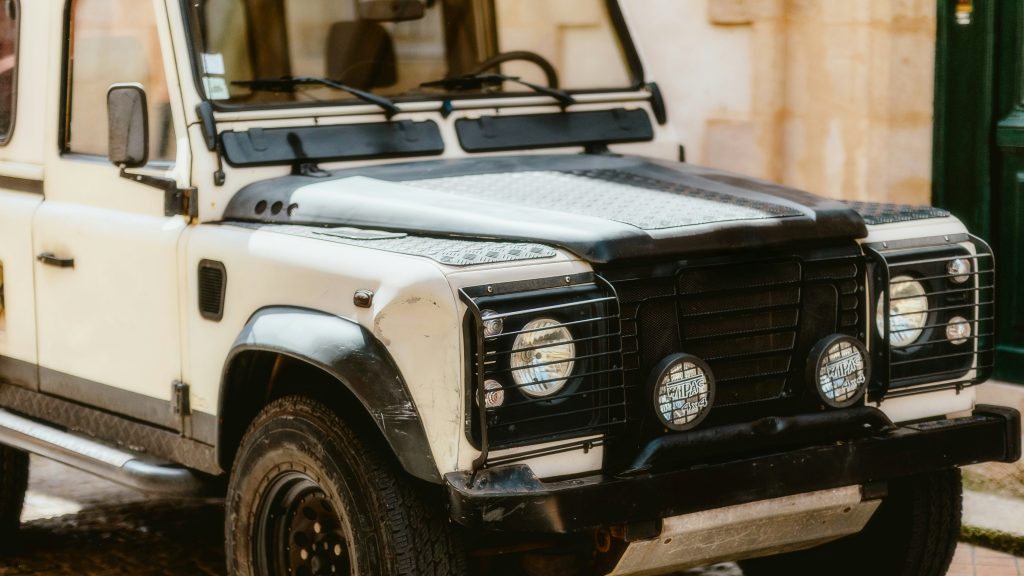
The Defender 130 is Land Rover’s answer to a question that Defender fans have been asking since the modern redesign launched: can you make it bigger? The answer is yes, and the result is a three-row, eight-seat SUV that keeps everything that makes the Defender special while adding the space a family or expedition crew actually needs. For 2026, the Defender 130 starts at $73,000 and tops out at $123,900 for the V8 model, with the unique Outbound trim sitting at $86,700 for buyers who want maximum cargo space instead of a third row.
I put this guide together to cover every angle of the Defender 130: dimensions, seating, towing capacity, pricing for each trim, how it compares to the 110, and whether it’s worth the premium. If you’re shopping for a Defender 130 for sale or just trying to figure out which Defender size fits your life, this is the place to start.
Defender 130 specs at a glance
| Length | 210.9 in (5,358 mm) |
| Width | 79.1 in (2,008 mm), 82.9 in with mirrors |
| Height | 77.6 in (1,970 mm) |
| Wheelbase | 119.0 in (3,022 mm) — same as the 110 |
| Seats | 8, in three rows |
| Ground clearance | 11.5 in (291 mm) with air suspension |
| Wading depth | 35.4 in (900 mm) |
| Approach / departure | 37.5° / 28.5° |
| Towing capacity | 8,201 lb properly equipped |
| Fuel economy | 18 mpg combined (P400), 16 mpg (V8) |
| Price (2026 MSRP) | $73,000 (S) to $123,900 (V8) |
Defender 130 Dimensions and Size
The Defender 130 stretches the already spacious 110 platform by adding 340 mm (13.4 inches) to the rear overhang. All of that extra length goes directly behind the rear axle, which means the third-row passengers benefit while the off-road geometry stays identical to the 110. Here are the full Defender 130 dimensions:
- Length: 210.9 inches (5,358 mm)
- Width: 79.1 inches (2,008 mm) without mirrors, 82.9 inches (2,105 mm) with mirrors
- Height: 77.6 inches (1,970 mm)
- Wheelbase: 119.0 inches (3,022 mm)
- Ground clearance: 11.5 inches (291 mm) with air suspension
- Approach angle: 37.5 degrees
- Departure angle: 28.5 degrees
- Wading depth: 35.4 inches (900 mm)
Compared to the Defender 110, the 130 is about 14 inches longer overall but shares the same wheelbase, width, and height. That’s an important detail: the 130 doesn’t feel wider or taller in traffic or on trails. It just has a longer tail, which you’ll notice most when parking or maneuvering tight switchbacks on an off-road trail.
Seating and Interior Space
The biggest selling point of the Defender 130 is its third row, and unlike some three-row SUVs where the rear seats are an afterthought, Land Rover designed the 130’s third row for actual adults. The seats sit in a stadium arrangement (slightly elevated above the second row), which gives third-row passengers a better view forward and more headroom than a flat-mounted seat would allow.
Third-row legroom measures 975 mm, which is enough for adults up to about 5’10” to sit comfortably on longer trips. Compare that to the optional third row in the Defender 110, which is designed for children only and leaves just 10.7 cubic feet of cargo space behind it. The 130 retains nearly 14 cubic feet of cargo space even with all eight seats occupied.
Total seating capacity is eight across three rows in a 2-3-3 configuration. Drop the third row and you have a massive cargo area. Drop both the second and third rows and the 130 becomes a mobile storage unit. Here’s how the cargo space breaks down:
- Behind third row (all seats up): ~14 cubic feet
- Behind second row (third row folded): ~44 cubic feet
- Maximum cargo (second and third rows folded): ~78 cubic feet
- Outbound trim (no third row): Up to 89 cubic feet with second row folded
2026 Defender 130 Price by Trim
The Defender 130 costs $9,500 to $5,600 more than the equivalent Defender 110 trim, depending on which model you choose. Here’s the complete 2026 lineup with pricing (all figures exclude the $1,950 destination charge):
Defender 130 S ($73,000)
The base 130 comes with the P400 mild-hybrid inline-six engine producing 395 hp and 406 lb-ft of torque. Standard features include an 11.4-inch touchscreen infotainment system, permanent all-wheel drive with a two-speed transfer case, and seating for eight. The S trim gets cloth and synthetic leather seats, a Meridian sound system, and adaptive off-road cruise control as standard for 2026.
Defender 130 X-Dynamic SE ($84,400)
Same P400 engine with sportier exterior styling, upgraded Windsor leather seats, a 400-watt Meridian sound system, and configurable ambient lighting. The X-Dynamic SE adds matrix LED headlights with adaptive high beam and a powered inner tailgate. This is the sweet spot of the 130 range for most buyers.
Defender 130 Outbound ($86,700)
The Outbound is the most interesting trim in the 130 lineup. It drops the third row entirely, keeping only five seats while maximizing the cargo area to a cavernous 89 cubic feet with the rear seats folded. Think of it as an expedition vehicle that happens to have the comfort and technology of a luxury SUV. The Outbound gets the same equipment as the X-Dynamic SE plus unique exterior trim and a flat load floor. If you’re an overlanding enthusiast or someone who regularly hauls large gear, this is the 130 to buy.
Defender 130 X ($105,000)
The X trim is the luxury flagship. It adds air suspension (standard), a head-up display, the upgraded 13.1-inch touchscreen, a 700-watt Meridian Surround Sound system, and heated/ventilated front seats with heated second-row seats. The cabin gets premium leather throughout and full LED signature lighting. Air suspension raises the ride height for off-roading and lowers it for easier loading and highway cruising.
Defender 130 V8 ($123,900)
The V8-powered Defender 130 uses the supercharged 5.0-liter V8 producing 518 hp and 461 lb-ft of torque. It’s the fastest and heaviest Defender in the range. The V8 gets everything from the X trim plus upgraded brakes, a tuned sport exhaust, and unique 22-inch wheels. Zero to 60 takes about 5.4 seconds, which is remarkable for a vehicle this size. For a deeper look at V8 specs and the even more powerful OCTA model, check my V8 and OCTA guide.
For a full comparison of pricing across all Defender body styles, see my Defender price guide.
Towing Capacity
The Defender 130 can tow up to 8,201 pounds when properly equipped, which matches the Defender 110’s maximum towing rating. That’s enough to pull a mid-size travel trailer, a horse trailer with two horses, a large boat, or a car on a flatbed trailer.
Land Rover also rates the Defender 130 for a static winch load of up to 10,000 pounds with the available winch package. The electrically deployable tow bar is available across all trims, and Advanced Tow Assist (which uses the rear camera and touchscreen to steer the trailer while reversing) comes standard on X and V8 trims.
One thing to keep in mind: the 130 weighs more than the 110 (roughly 5,700-6,100 lbs depending on trim), so your combined vehicle-plus-trailer weight climbs quickly. Make sure your overall setup stays within the gross combined weight rating. For the complete towing breakdown across all Defender models, check my towing capacity guide.
Defender 110 vs 130: Which One Should You Buy?
This is the question most buyers wrestle with. The Defender 110 and 130 share the same wheelbase, same engines, same off-road hardware, and most of the same technology. The difference comes down to what happens behind the rear axle.
Buy the 130 if: You need a usable third row for adults or teenagers. The 110’s optional third row is tight and only works for small children on short drives. If you regularly carry more than five people, the 130 is the only realistic choice. The Outbound trim also makes the 130 attractive for two-person expedition teams who want maximum cargo volume without going to a full-size truck or van.
Stick with the 110 if: Five seats are enough for your typical driving. The 110 is shorter, lighter, slightly more fuel-efficient, and easier to maneuver. It’s better for city driving, parking garages, and tight off-road trails where every inch of overhang matters. The 110 also starts $9,500 cheaper at $63,500 vs. $73,000.
The 130’s longer rear overhang does reduce the departure angle slightly (28.5 degrees vs. 40 degrees on the 110), which matters on steep off-road descents where the tail could scrape. On flat trails, gravel roads, and moderate off-road terrain, you won’t notice a difference.
Fuel Economy
The Defender 130 isn’t going to win any efficiency awards, but that’s expected for a vehicle this size. Here are the EPA-estimated fuel economy figures for 2026:
- P400 (inline-six, most trims): 17 city / 19 highway / 18 combined mpg
- V8 (supercharged 5.0L): 14 city / 19 highway / 16 combined mpg
At current gas prices, expect to spend about $3,000-$4,500 per year on fuel depending on your engine choice and driving habits. The P400 inline-six is the better choice for daily driving because it delivers strong performance while burning significantly less fuel than the V8. For a detailed breakdown, see my Defender fuel economy guide.
Used Defender 130 Prices
The Defender 130 has been on sale since the 2023 model year, so there’s a growing selection of used examples available. Here’s what the used market looks like:
- 2023 Defender 130 (base/mid trims): $58,000 to $75,000. First-year 130s have taken their initial depreciation hit and represent solid value.
- 2024 Defender 130 (all trims): $65,000 to $90,000. Slightly newer with the latest features.
- 2025 Defender 130 (all trims): $70,000 to $100,000. Nearly new with minimal depreciation.
- Used Defender 130 V8: $100,000 to $130,000. V8 models hold their value exceptionally well.
- Used Defender 130 Outbound: $72,000 to $95,000. Limited production makes these harder to find on the used market.
When shopping for a used Defender 130, check for the common issues that affect all modern Defenders: infotainment glitches, air suspension faults on equipped models, and electrical gremlins. My Defender common problems guide covers everything to watch for. For tips on where to shop, see where to buy a Land Rover Defender.
Reliability and Running Costs
The Defender 130 shares its mechanicals with the 110 and 90, so reliability is comparable across the range. The P400 inline-six has proven to be the most dependable engine option, while the V8 adds complexity (and supercharger service intervals) that increase long-term costs.
Annual maintenance costs run about $1,200 to $2,500 for scheduled service, with dealer labor rates typically between $175 and $250 per hour. Insurance on the 130 runs slightly higher than the 110 due to the higher vehicle value, typically $2,200 to $4,200 per year depending on your location and coverage level.
Is the Defender 130 Worth It?
The Defender 130 fills a specific niche that no other vehicle quite covers. It’s a genuine off-road-capable SUV with seating for eight adults and the luxury features of a $100,000+ vehicle. The closest competitors are the Toyota Land Cruiser (which doesn’t offer a true third row in the US market) and the Mercedes G-Wagon (which only seats five).
If you need three rows and genuine off-road ability, the Defender 130 is pretty much the only game in town at any price. The X-Dynamic SE at $84,400 offers the best balance of features and value. The Outbound at $86,700 is the pick for expedition-focused buyers who prioritize cargo over passenger count. And the V8 at $123,900 is for those who want the most powerful, most capable version of everything.
For a broader look at how the Defender stacks up against the competition, check my comparison guides: Defender vs. Jeep Wrangler, Defender vs. Land Cruiser, and Defender vs. G-Wagon.
Frequently Asked Questions
How much is a Defender 130?
The 2026 Defender 130 starts at $73,000 for the S trim and goes up to $123,900 for the V8. The mid-range X-Dynamic SE costs $84,400, the Outbound is $86,700, and the luxury X trim is $105,000. All prices exclude the $1,950 destination charge.
What are the Defender 130 dimensions?
The Defender 130 measures 210.9 inches long, 79.1 inches wide (82.9 with mirrors), and 77.6 inches tall. The wheelbase is 119.0 inches. It’s about 14 inches longer than the Defender 110 but shares the same width, height, and wheelbase.
How many seats does the Defender 130 have?
The Defender 130 seats up to eight people in a 2-3-3 configuration across three rows. The Outbound trim has five seats (two rows only) with maximum cargo space instead. The third row is designed for adults, unlike the optional and cramped third row available in the Defender 110.
Can the Defender 130 tow?
Yes. The Defender 130 has a maximum towing capacity of 8,201 pounds when properly equipped, matching the Defender 110. It can also handle a static winch load of up to 10,000 pounds. Advanced Tow Assist comes standard on X and V8 trims.
Is the Defender 130 good off-road?
The Defender 130 uses the same off-road hardware as the 110: permanent all-wheel drive, a two-speed transfer case, Terrain Response 2, and up to 11.5 inches of ground clearance with air suspension. The only off-road trade-off is a reduced departure angle (28.5 vs. 40 degrees) due to the longer rear overhang, which can matter on very steep descents.