Ownership
Best Defender Accessories and Upgrades for Every Build
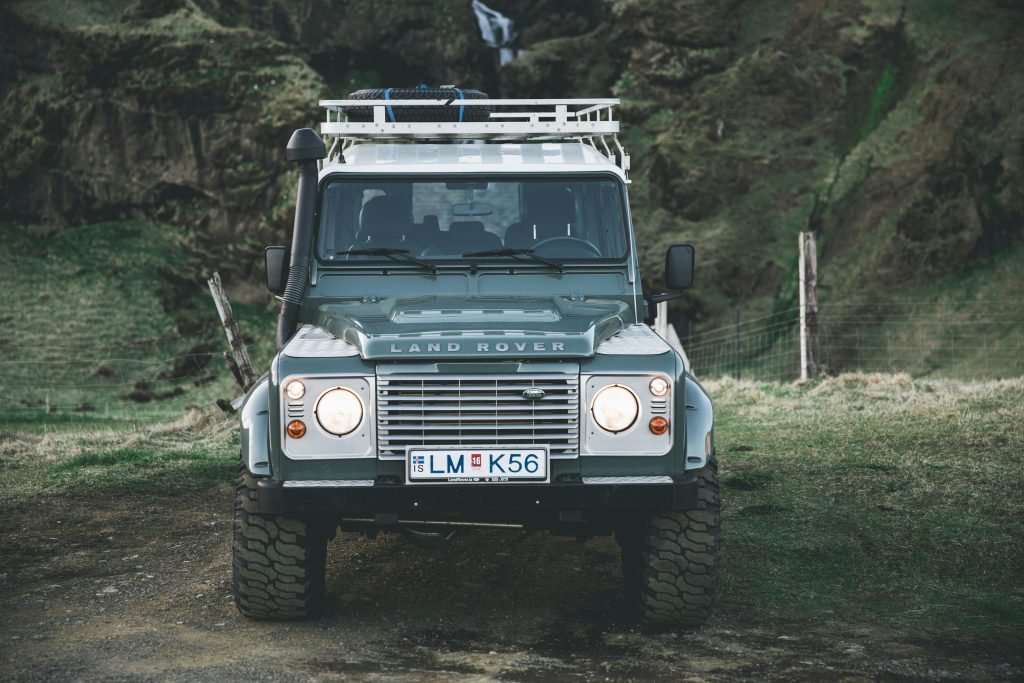
One of the best things about the Defender is how much you can customize it. Land Rover offers over 170 official accessories, and the aftermarket has exploded with options since the new Defender launched in 2020. Whether you’re building an overlanding rig, a daily driver with some trail capability, or just want your Defender to look different from everyone else’s, this guide covers the accessories and upgrades that are actually worth your money.
I’ve organized everything by category with real pricing where available. Some of these I’ve seen on Defenders in the wild, and I’ll note which upgrades owners tend to love and which ones collect dust after the novelty wears off.
Roof Racks and Cargo Solutions
The Defender roof rack is usually the first accessory people buy, and for good reason. The factory-fitted expedition roof rack supports a dynamic load of up to 291 lbs and uses a T-track bar system that lets you mount everything from cargo boxes to kayak carriers. It bolts directly to the roof rails, and you can remove it when you don’t need the extra capacity.
Land Rover Expedition Roof Rack
The official expedition roof rack is the cleanest-looking option because it’s designed to match the Defender’s lines. It runs about $1,200-$1,500 depending on the body style (the 110 version is larger than the 90). The T-track system is versatile but proprietary, which means some universal accessories need adapters.
Aftermarket Roof Racks
Front Runner, Voyager Racks, and Lucky8 are the three most popular aftermarket roof rack brands for the new Defender. Front Runner’s Slimline II platform is a favorite for overlanding builds because it’s modular and supports a huge ecosystem of compatible accessories (awnings, jerry can holders, shovel mounts, etc.). Voyager makes a full-length rack that extends from the windshield to the rear, giving you maximum cargo area.
Aftermarket racks typically run $800-$2,000 depending on the brand and size. The trade-off compared to the factory rack is that installation is more involved and you may need to drill in some cases. But the load capacity and accessory compatibility is generally better.
Side-Mounted Gear Carrier
Land Rover’s exterior side-mounted gear carrier adds 6.3 gallons (24 liters) of lockable, waterproof storage to the outside of the vehicle. It mounts on the rear quarter panel and is designed for items you want accessible without opening the tailgate: recovery gear, straps, gloves, or wet/dirty equipment you don’t want inside the truck. At around $500-$600, it’s one of the more practical official accessories.
Protection and Off-Road Upgrades
Underbody Protection
If you take your Defender off-road with any regularity, underbody protection is not optional. Rocks, stumps, and rough terrain can damage the fuel tank, transfer case, and differential housings. Land Rover offers a factory undershield kit that covers the most vulnerable areas. Terrafirma and Britpart make aftermarket alternatives at lower price points.
The factory underbody protection runs about $800-$1,200 for a complete set. It’s made from either steel or heavy-duty composite depending on the piece. Most owners who go beyond gravel roads consider this one of the most important upgrades you can make.
Mud Flaps
The Defender throws a lot of debris from its wide tires, and the factory mud flaps help protect the body panels and paint from chips. They’re inexpensive ($100-$200 for a set) and take about 30 minutes to install. This is one of those accessories that won’t make your Defender look cooler but will save you paint correction costs down the road.
Rock Sliders and Side Steps
Rock sliders serve double duty: they protect the rocker panels during off-road driving and make it easier to climb in and out of the truck (addressing one of the most common owner complaints about the high step-in height). Land Rover offers powered deployable side steps that extend when you open the door and retract when you close it. They look sleek and work well but cost around $2,500-$3,000 installed.
Aftermarket rock sliders from companies like Terrafirma are heavier-duty for serious off-road use and typically run $800-$1,500. They sacrifice the automatic deployment feature but are built to take actual hits from rocks without bending.
Lighting Upgrades
The Defender’s factory LED headlights are good, but off-road driving often demands more light. Auxiliary lights are one of the most visible (literally) upgrades you can make.
Roof-Mounted Light Bar
A roof-mounted LED light bar transforms nighttime off-road capability. Popular options include the Lazer Lamps Linear 42 and Baja Designs OnX6+. Both put out serious lumens and are designed to handle the vibration and weather exposure that comes with roof mounting. Expect to spend $400-$1,200 for the light bar itself, plus mounting hardware and wiring ($100-$300).
A-Pillar Lights
Spot or driving lights mounted to the A-pillars are a popular upgrade for a cleaner look than a full light bar. They’re easier to install, less wind noise at highway speeds, and still throw a useful amount of light on trails. Brackets from Lucky8 and other suppliers let you mount round or square LED pods without drilling.
Interior Accessories
All-Weather Floor Mats
If you actually use your Defender for outdoor activities, proper rubber floor mats are a necessity. The factory rubber mats are decent, but many owners prefer the deeper-walled aftermarket options from WeatherTech or Husky that catch more mud, snow, and water. A full set runs $150-$300 and is probably the best ratio of money spent to daily usefulness of any accessory on this list.
Cargo Area Liner
The factory loadspace rubber mat protects the cargo area from scratches and stains. Combined with a rear bumper protector (about $90), it keeps the truck looking new even after hauling dirty gear, wet dogs, or building materials. For more serious builds, companies like GOOSE GEAR make full cargo management systems with slide-out drawers and storage compartments.
Integrated Air Compressor
Land Rover’s integrated air compressor is one of the cleverest factory accessories. It mounts in the load area and lets you air down your tires for off-road driving and then reinflate them before getting back on pavement, without carrying a separate portable compressor. It also works for inflating air mattresses, bike tires, and sports equipment. Available on the Defender 130 as standard in some packs, and as an accessory for the 110.
Recovery Gear
No serious off-road build is complete without proper recovery equipment. The Defender has rated recovery points front and rear, but you need the right gear to use them.
Essential Recovery Kit
A basic recovery kit should include a kinetic recovery rope (not a tow strap), a pair of bow shackles rated for the vehicle’s weight, a tree protector, and gloves. A quality kit from ARB or Factor 55 runs about $200-$400. If you’re going solo on trails, add a set of MAXTRAX recovery boards ($300-$350) that give you traction when you’re stuck in sand, mud, or snow.
Winch
A winch is the ultimate self-recovery tool, but it’s also a significant investment. Warn and Smittybilt are the most popular brands for the Defender. You’ll need a winch-compatible bumper to mount it, which adds to the cost. Budget $1,500-$3,000 for the winch itself and $800-$2,500 for a compatible bumper. Most weekend trail users won’t need one, but if you’re doing remote overland routes, a winch can get you out of situations nothing else will.
Land Rover Accessory Packs
Land Rover bundles accessories into themed packs that offer better value than buying each piece separately. The three main packs for 2025-2026 are:
Explorer Pack: Designed for off-road and overlanding use. Includes the expedition roof rack, raised air intake (snorkel), underbody protection, and other trail-ready accessories. This is the pack that gives the Defender its most rugged look and is the most popular choice for buyers who plan to go off-road.
Adventure Pack: A step down from the Explorer pack, focused on outdoor lifestyle rather than extreme off-road. Includes the side-mounted gear carrier, mud flaps, and cargo management accessories. Good for camping and light trail use.
Urban Pack: Focused on daily driving and city use. Includes bright finish accents, interior upgrades, and protection elements designed for parking lots rather than rock gardens. Less popular with the enthusiast crowd but a solid option for buyers who want the Defender look without the off-road gear.
Accessories to Skip
Not every accessory is worth the money. Based on owner feedback, here are a few that frequently disappoint:
Factory snorkel (raised air intake): It looks amazing and gives the Defender a classic expedition look, but unless you regularly cross water deeper than two feet, it’s purely cosmetic. The Defender already has a wading depth of 35.4 inches without the snorkel. At $500+, it’s expensive for something most people never actually need.
Dealer-installed window tint: Dealer pricing for window tint is significantly higher than what a professional tint shop charges. Get the same 3M or XPEL ceramic tint from a local shop for half the cost.
OEM cargo dividers/pet barriers: The factory cargo dividers are expensive for what they are. Aftermarket options from Travall and other brands offer similar functionality at 40-60% of the cost.
Best Upgrades by Build Type
Daily Driver Build
If the Defender is your everyday vehicle, focus on protection and comfort: all-weather floor mats, mud flaps, paint protection film on the front end, a cargo liner, and deployable side steps. These upgrades protect the truck’s resale value and make daily use more practical. Budget: $1,000-$2,500.
Weekend Trail Build
For occasional off-road use, add underbody protection, a set of MAXTRAX recovery boards, a roof rack, and auxiliary lights. Keep the factory side steps for daily convenience. Budget: $3,000-$5,000. For more ideas, see my best modifications guide.
Full Overland Build
An overlanding-focused Defender needs a full-length roof rack, roof-top tent, awning, auxiliary lights, underbody protection, recovery gear, a winch-ready bumper, and the integrated air compressor. Add a secondary battery system and a fridge slide for extended trips. Budget: $10,000-$25,000+. See my overlanding guide for the full breakdown.
Where to Buy Defender Accessories
Official Land Rover accessories are available through dealerships and the Land Rover online accessories store. For aftermarket parts, these are the most trusted specialist retailers:
- Lucky8 Off Road (lucky8llc.com) – Wide selection of new Defender exterior and off-road accessories
- New Defender Mods (newdefendermods.com) – Interior and exterior accessories, well-curated selection
- Voyager Racks (voyagerracks.com) – Roof rack specialists for the Defender platform
- Twisted Automotive – Premium builds and custom accessories
- Terrafirma – Protection products and off-road accessories
For more options on finding Defender parts and accessories, see my where to buy guide. And if you’re still deciding on the right Defender model before accessorizing, check out the price guide and buying guide.
Frequently Asked Questions
What is the best roof rack for the Defender?
The Land Rover expedition roof rack is the best option for a clean, factory look with easy removal. For overlanding and heavy use, the Front Runner Slimline II platform offers better load capacity and a wider ecosystem of compatible accessories. Expect to spend $800-$1,500 for either option.
How much does it cost to fully accessorize a Defender?
A basic protection package (floor mats, mud flaps, cargo liner) runs $500-$800. A moderate trail build with a roof rack, auxiliary lights, and underbody protection costs $3,000-$5,000. A full overland build with a winch, roof-top tent, and all the recovery gear can easily exceed $15,000-$25,000.
Do aftermarket accessories void the Defender warranty?
Installing aftermarket accessories doesn’t automatically void your warranty. Under the Magnuson-Moss Warranty Act, a dealer must prove that the aftermarket part directly caused the failure they’re denying coverage for. However, some modifications (like suspension lifts or engine tunes) are more likely to create warranty disputes. Factory Land Rover accessories are always warranty-safe.
What Defender accessories have the best resale value?
Roof racks, winches, and roof-top tents hold their value the best because demand stays high in the Defender community. Paint protection film also adds resale value by keeping the paint in better condition. Interior accessories like floor mats have the lowest resale value but the highest daily usefulness.
Buying for someone else rather than yourself? The Defender gift guide covers the same ground from the other side of the counter, sorted by budget.