Ownership
Land Rover Defender Reviews: What Owners Really Think
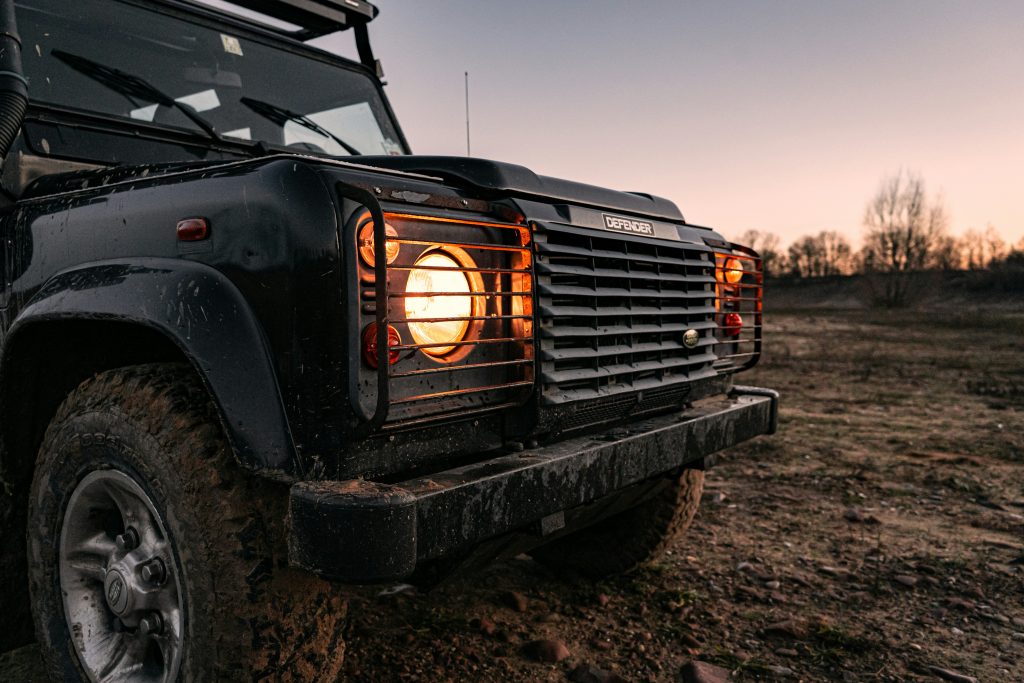
The Land Rover Defender looks incredible in photos and marketing videos. But what’s it actually like to live with day to day? I’ve gone through hundreds of owner reviews, forum threads, and professional evaluations to put together a complete picture of what Defender ownership really involves. The short version: it’s one of the most rewarding and most frustrating vehicles you can buy, often on the same day.
This isn’t a spec sheet breakdown or a pricing guide. This is about what happens after you drive it off the lot: the things owners love, the things that drive them crazy, and whether the Defender is worth the money long-term.
What Owners Love About the Defender
Off-Road Ability That Actually Delivers
Most luxury SUVs claim to be off-road capable, but the Defender is one of the few that actually backs it up. Owners consistently praise the Terrain Response 2 system, the wading depth (up to 35.4 inches), and the sheer confidence the truck inspires on difficult terrain. Whether it’s rocky trails, deep mud, sand dunes, or forest tracks, the Defender handles it with surprisingly little drama. The permanent all-wheel drive system and low-range transfer case give it genuine off-road credentials that go well beyond what most owners will ever need. For more on what the Defender can do off-road, see my off-road capability guide.
The Design Gets Attention Everywhere
One theme that comes up in nearly every owner review is the attention the Defender draws. People stop to ask about it at gas stations, parking lots, and traffic lights. It has a presence that few other vehicles match. The boxy, upright design stands out in a market full of smooth, anonymous crossovers, and it does it without looking like it’s trying too hard. Owners report that the Defender gets more positive comments than any other vehicle they’ve owned, including much more expensive cars.
The P400 Inline-Six Is Excellent
The 3.0-liter turbocharged inline-six with mild hybrid assist is the engine most owners end up choosing, and reviews are overwhelmingly positive. It delivers 395 hp and 406 lb-ft of torque through a smooth eight-speed automatic transmission. It’s quick enough to merge confidently onto highways, quiet enough at cruising speeds, and refined enough for long road trips. Owners who’ve driven both the four-cylinder and the inline-six consistently recommend spending the extra money for the P400.
Build Quality Improvements Over Time
Early 2020 and 2021 Defenders had more quality issues than later models. Owners of 2023 and newer Defenders report noticeably fewer problems with panel gaps, interior rattles, and electrical glitches. Land Rover has been addressing issues with each model year, and the 2025-2026 trucks represent the most refined versions yet. If you’re shopping used, later production years are worth the premium.
Common Complaints From Owners
Infotainment Frustrations
The Pivi Pro infotainment system is the single most-criticized aspect of the Defender across all owner reviews. Complaints include slow boot-up times, laggy response to inputs, occasional freezing, and a navigation system that sometimes makes bizarre routing choices. The system has improved through software updates, but it’s still a step behind the infotainment systems in competitors like the BMW X5 or Mercedes GLE. The 2026 model’s upgraded 13.1-inch touchscreen and updated software have helped, but this remains an area where Land Rover trails the competition.
Windshield Durability
A surprising number of owners report cracked windshields, often from impacts that wouldn’t damage a windshield on other vehicles. The Defender’s near-vertical windshield takes debris head-on rather than deflecting it, and the glass itself seems less resistant to chips and cracks than on comparable SUVs. Replacement quotes from dealers run around $3,400, and some owners report waiting weeks for parts due to backorder issues. This is one of those ownership costs that doesn’t show up in any spec sheet but hits your wallet hard.
Fuel Economy Is Rough
Every owner knows going in that the Defender isn’t going to be efficient, but many report real-world fuel economy that falls below EPA estimates. The P400 is rated at 18-20 mpg combined depending on body style, but owners frequently report 15-17 mpg in mixed driving. The V8 is worse at 12-14 mpg in real-world conditions. At current gas prices, fuel costs can easily run $3,500-$5,000 per year. See my fuel economy guide for detailed numbers.
The Step-In Height
The Defender sits high. Really high. Shorter passengers and children can struggle to climb in, particularly into the rear seats. The optional side steps help, but they add cost and reduce ground clearance slightly. Several owners mention this as something they didn’t think about during the test drive but notice every day in regular use.
No Complimentary Maintenance
Unlike many luxury brands that include at least basic scheduled maintenance for the first year or two, Land Rover doesn’t offer any complimentary maintenance with the Defender. Given the high dealer labor rates ($175-$250/hour) and the premium parts costs, this stings. Annual maintenance runs about $1,200-$2,500. For the full breakdown, check my maintenance costs guide.
Defender 110 Review: The Sweet Spot
The Defender 110 is the most popular model and the one most reviewers recommend. It offers the best balance of interior space, capability, and daily usability. The four-door body makes getting in and out easy, the rear cargo area is genuinely useful for families and road trips, and the driving experience feels planted and confident on both highways and back roads.
Professional reviews consistently rate the Defender 110 at 8 to 8.5 out of 10. J.D. Power gives the 2026 Defender a predicted reliability score of 82 out of 100 (“Great”), which is a solid improvement over earlier model years. U.S. News ranks it among the top luxury mid-size SUVs for off-road capability, though it falls behind competitors on fuel economy and interior refinement scores.
Defender 90 Review: Style Over Practicality
The two-door Defender 90 is the one that looks the most like the classic Defender, and it’s the choice for buyers who prioritize style and compactness. However, owners note that the two-door layout creates some practical compromises: rear seat access requires folding the front seats forward, cargo space is limited, and for 2026, the 90 is only available with the V8 engine, which pushes the starting price to $79,900.
Owners who chose the 90 tend to use it as a second vehicle or a weekend adventure truck rather than a daily driver. Those who need the Defender as their primary vehicle almost always end up recommending the 110 instead. For the full comparison, see my 90 vs. 110 guide.
Defender V8 and OCTA Reviews
The V8 Defender polarizes opinion like no other trim. Owners either love it unconditionally or question whether a 518 hp off-roader makes any logical sense. The supercharged 5.0-liter V8 delivers an intoxicating exhaust note and acceleration that feels absurd in something this tall and boxy. But fuel economy drops into the low teens, insurance premiums jump, and tire wear increases significantly.
The OCTA takes it even further with 626 hp from a twin-turbo BMW V8, along with unique suspension and bodywork. Early reviews praise its capability but question the $158,300 starting price. For the complete specs and comparison, see my V8 and OCTA guide.
Reliability: What the Data Says
Land Rover’s reputation for reliability has been a concern for decades, and the Defender hasn’t been immune. Early model years (2020-2022) had higher rates of electrical issues, software bugs, and fit-and-finish complaints. However, the situation has improved:
- J.D. Power 2026 predicted reliability: 82/100 (“Great”)
- Consumer Reports 2025: Below average for the segment, though improved from previous years
- Most common issues: Infotainment glitches, air suspension faults (on equipped models), windshield cracks, minor electrical gremlins
- Warranty: 4 years/50,000 miles bumper-to-bumper, 6 years/unlimited miles corrosion
The P400 inline-six engine has proven to be the most reliable powertrain option. The V8 adds supercharger maintenance and slightly higher rates of cooling system issues. For the full reliability picture, see my reliability report and common problems guide.
Is the Defender Worth Buying?
After going through hundreds of owner reviews, the consensus is clear: the Defender is worth buying if you go in with the right expectations. It’s not the most reliable luxury SUV. It’s not the most fuel-efficient. It’s not the most refined inside. But it’s the only vehicle in its class that combines genuine off-road ability, head-turning design, and a driving experience that makes you want to take the long way home.
The owners who are happiest with their Defenders tend to be the ones who actually use the truck’s capabilities: weekend trail runs, camping trips, overlanding adventures, or just living somewhere with rough roads and bad weather. Owners who bought it purely as a luxury highway cruiser tend to be more critical of its shortcomings.
For shopping advice, check my buying guide, price guide, and where to buy guide. And if you’re comparing alternatives, see how the Defender stacks up against the Jeep Wrangler, Toyota Land Cruiser, and Mercedes G-Wagon.
Frequently Asked Questions
Is the Land Rover Defender reliable?
The 2026 Defender scores 82/100 on J.D. Power’s predicted reliability scale, which is rated “Great.” Reliability has improved significantly from earlier model years. The most common issues are infotainment software glitches, windshield durability, and minor electrical faults. The P400 inline-six is the most dependable engine choice.
What do owners complain about most?
The three most common complaints are the Pivi Pro infotainment system (slow, laggy, occasionally freezing), poor fuel economy (15-17 mpg real-world with the inline-six), and fragile windshields that crack more easily than competitors. The high step-in height and lack of complimentary maintenance are also frequently mentioned.
Which Defender model is best to buy?
The Defender 110 X-Dynamic SE with the P400 inline-six offers the best overall ownership experience. It balances performance, space, features, and value better than any other configuration. The four-door layout makes it practical as a daily driver, and the inline-six is powerful enough without the fuel costs of the V8.
Do Defenders hold their value?
Yes. Defenders retain about 80-85% of their value after three years, which is above average for the luxury SUV segment. V8 models depreciate the slowest, with some selling for near-original MSRP on the used market. The strong resale value offsets some of the higher running costs.